
Most Thanksgiving advice for dog owners is a list of foods to avoid. That list matters, but it is not where most holiday trouble starts. Trouble usually starts with timing: the front door opens for the tenth time while the host is basting, a guest sets a purse on the floor, a plate is left at nose height during the dishes, and the dog’s usual walk slides from 4 p.m. to “whenever things calm down,” which turns out to be after dark.
The fix is to plan the day the way you would plan the meal, in order, with a person assigned to each job. Here is a run-of-day you can adapt to your own house, whether you are hosting twenty people or bringing a dog to someone else’s table.
Morning: spend the dog’s energy before the house fills
A tired dog is a calmer guest. Before anyone starts cooking, give your dog the longest, most satisfying outing of the day. That might be a long sniff walk, a game of fetch in the yard or a session with a puzzle feeder.
While you are out, do three quick checks that pay off later:
- The collar and tag. Is the tag still attached and readable? Does it carry a phone number someone will actually answer today?
- The microchip. The American Veterinary Medical Association (AVMA) stresses that a microchip with current, registered contact information is especially important when guests are coming and going. If you have moved or changed numbers, update the registry before the doorbell starts ringing.
- The harness or leash you will use at the door. Leave it hanging by the entry so it is ready when you need it.
Then serve breakfast as usual. Keeping your dog’s regular food and schedule is one of the simplest ways to avoid a holiday stomach upset, a point the ASPCA makes in its holiday safety guidance.
Late morning: set up the quiet room
Pick a room away from the kitchen and the front door, such as a bedroom or a home office. Put in your dog’s bed or crate, a bowl of water, a long-lasting chew your dog already knows, and something that smells like you. A fan or a radio at low volume can blur the sound of arrivals. Close the closet and put away anything chewable.
The quiet room is not a punishment. The AVMA suggests that a nervous pet may do better in another room or a crate with a favorite toy while visitors are in the house, which lowers stress for the animal and protects guests from an anxious bite. Even social dogs benefit from a break.
If you are the guest rather than the host, ask in advance which room your dog can use, and bring a portable crate or a familiar blanket so the space feels like theirs.
Midday: kitchen rules while the cooking happens
The kitchen is the highest-risk room of the day. Counters are crowded, the oven is hot, and food is moving in every direction. A baby gate across the doorway is the easiest tool here. If you cannot gate it, decide who is responsible for knowing where the dog is whenever the oven door is open.
A few items deserve special attention while you cook:
- Rising bread dough. The AVMA warns that uncooked yeast dough can cause painful gas and dangerous bloating if a dog eats it. Let dough rise somewhere a dog cannot reach, not on a low table or a chair.
- Onions, grapes and raisins. These are toxic to pets, according to the AVMA, and they show up in stuffing, side dishes and baked goods.
- Sugar-free ingredients. Xylitol, found in some gum and sugar-free baked goods, can be deadly to dogs. Check any sugar-free dessert a guest brings.
- Strings, foil and packaging. The cooking string from a roast and the foil from a pan smell like the food they touched.
The single most important kitchen task is the trash. The AVMA recommends sealing the turkey carcass, bones and related scraps in a tightly secured bag and putting it in a closed container outdoors or behind a securely closed door.
Early afternoon: give one person door duty
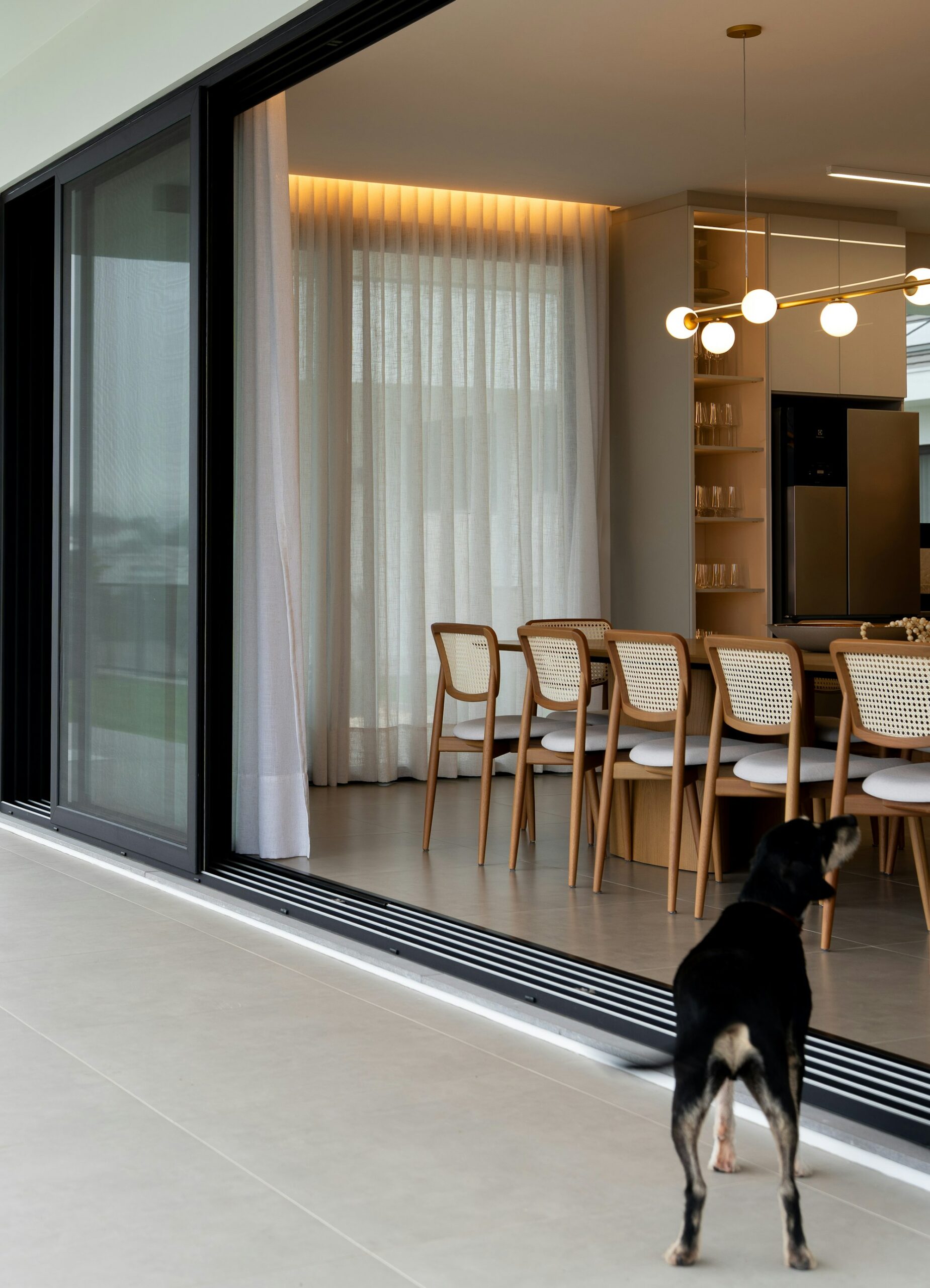
Arrivals are when dogs slip out. The AVMA specifically warns owners to watch pets closely as guests come and go, because a pet can escape through an open door and get lost.
Choose a door plan before the first car pulls in:
- Option one: the dog is in the quiet room during arrivals. This is the simplest and safest plan for most homes.
- Option two: the dog is on leash with one adult. That adult’s only job for the arrival window is the dog, not coats or drinks.
- Option three: a gate between the entry and the rest of the house. Guests come in, close the front door, and only then does anyone open the gate.
Coats and bags are part of the door plan. The ASPCA advises asking guests to keep their medications in a closed cabinet rather than in a bag or suitcase. A handbag dropped on the floor at dog height can hold pills, sugar-free gum or a granola bar, so give bags a home on a bed in a closed room or on a high shelf.
Tell guests, and especially children, the house rules as they arrive: please do not open the back door without checking where the dog is, and please do not feed the dog.
Dinner: table rules that everyone can follow
Asking guests not to feed the dog works better when you give them an alternative. Set out a small jar of your dog’s regular treats and tell guests they may offer one if the dog sits nicely. That turns a dozen people sneaking scraps into a dozen people practicing good manners with the dog.
If you want your dog to share in the meal, the AVMA says a small portion of plain, boneless, skinless turkey is generally safe. Everything that makes turkey taste like Thanksgiving is the problem: gravy, sauces, dressing, fat and skin can upset a dog’s digestion, and even small amounts may contribute to pancreatitis. Poultry bones can cause choking or a blockage. Small pieces of plain pumpkin are fine; pumpkin pie and other desserts are not, and chocolate is harmful.
During the meal itself, many dogs do best in the quiet room with a stuffed food toy of their own. If your dog stays near the table, ask guests to keep plates away from the edge, and be especially watchful when everyone gets up at once, because that is when plates get left on low coffee tables.
Late afternoon: the table decorations nobody thinks about
Centerpieces are designed to look harvest-like, which means they are made of things dogs like to chew. The AVMA notes that corn cobs, pine cones and gourds can cause choking or an intestinal blockage if swallowed, and it lists amaryllis, baby’s breath, sweet William, some ferns and hydrangeas among plants that are toxic to pets. Its practical advice is simple: keep pets away from plants and table decorations altogether. Put the centerpiece on the dining table, not on a low side table, and clear it away when the table is cleared.
Evening: the walk that happens in the dark
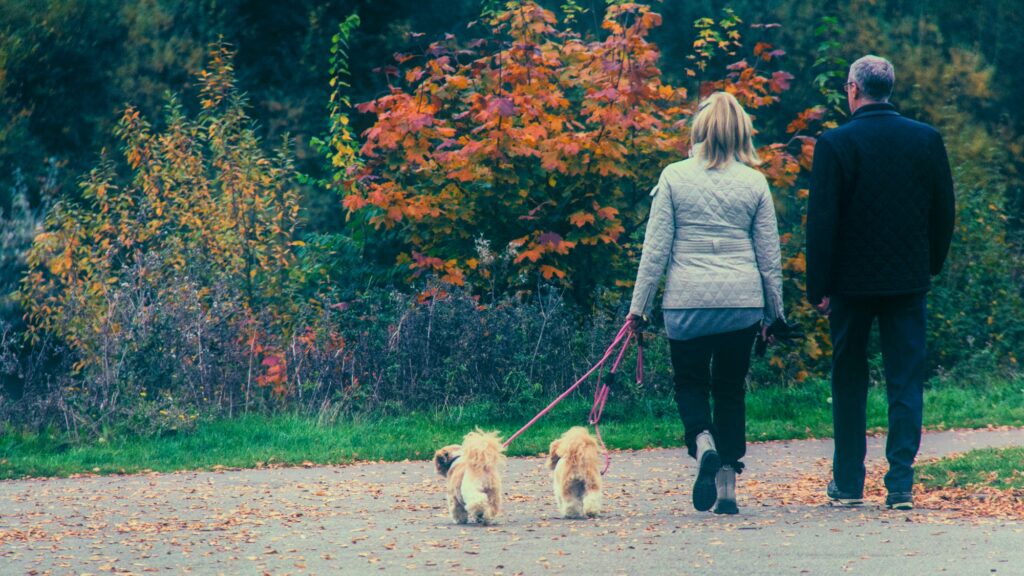
By the time dessert is over, it is likely to be dark outside, and the dog has probably had a long, strange day. A calm evening walk helps, but this is the walk most likely to happen in low light, with tired people, on streets crowded with parked cars from guests up and down the block.
This is where the right gear does its quiet work:
- Something reflective on the dog. A reflective harness, a coat with reflective trim or a reflective collar makes your dog visible in headlights.
- A light on you or the leash. Reflective material only works when light hits it. A clip-on light or a headlamp helps drivers see you from the side and helps you see what your dog is about to sniff.
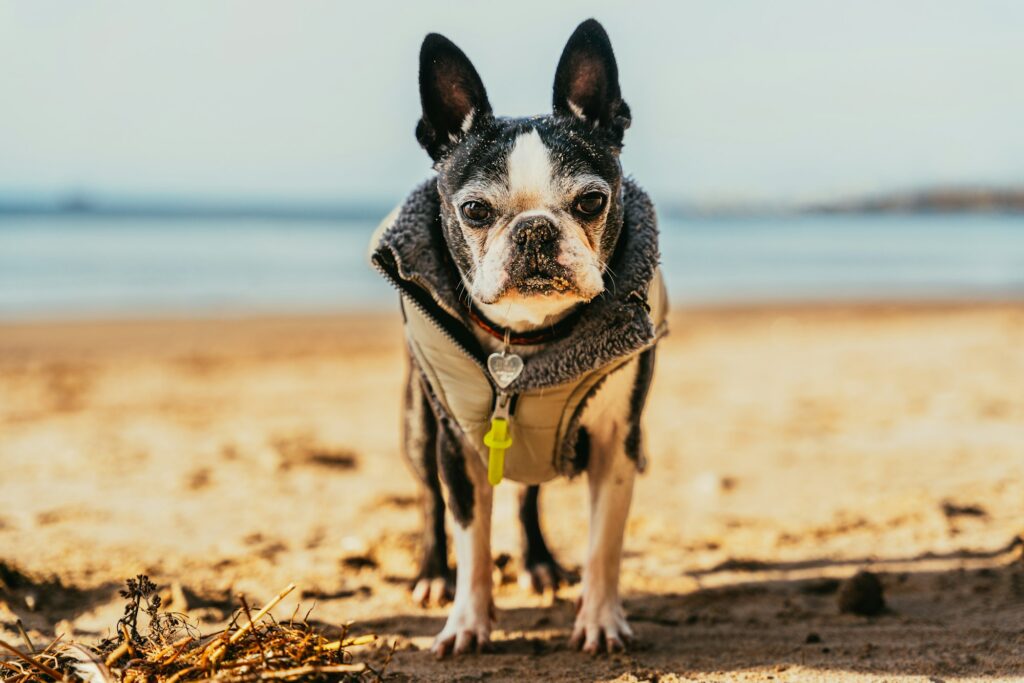
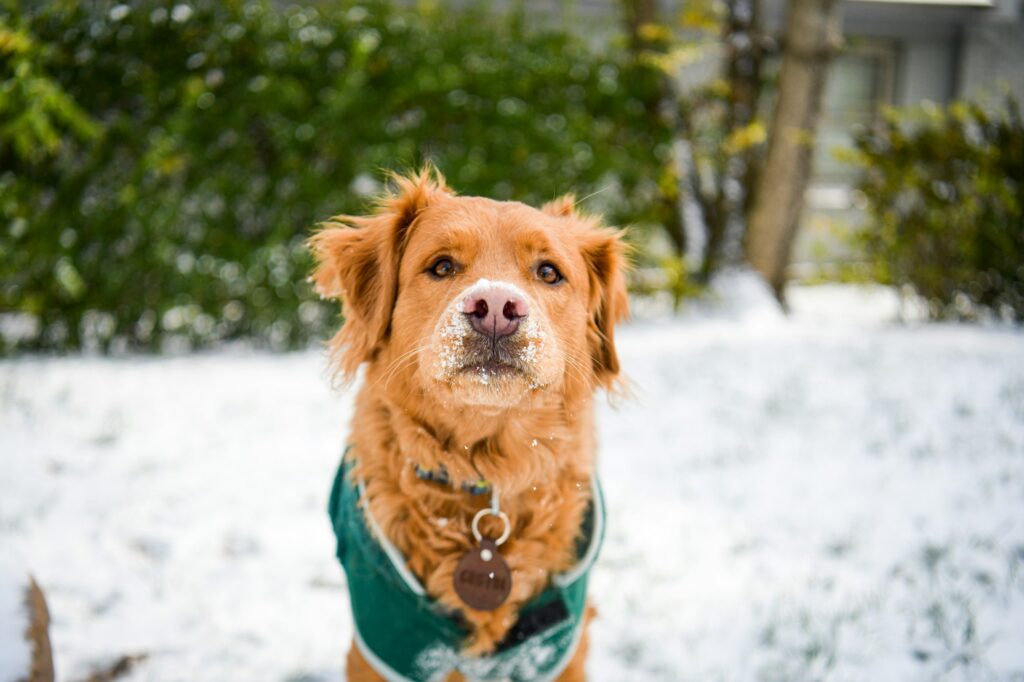
- A coat if your dog needs one. Short-coated, small, senior or thin dogs may appreciate a layer on a cold November evening.
- A fixed-length leash. Retractable leashes are hard to manage near parked cars and in the dark.
If something goes wrong
Write these numbers on a card and stick it to the refrigerator before the day begins:
- Your regular veterinarian and your nearest emergency veterinary clinic, with their holiday hours.
- ASPCA Animal Poison Control: (888) 426-4435.
- Pet Poison Helpline: (855) 764-7661. The AVMA notes that a fee may apply to these services.
The AVMA recommends contacting your veterinarian right away if you think your pet has eaten something harmful, or if you notice sudden behavior changes, depression, pain, vomiting or diarrhea. Do not wait to see if it passes, and do not try home remedies without guidance. This article is general information, not veterinary advice; your own veterinarian knows your dog’s health history and is the right person to call.
A one-page checklist for the day
- Long morning walk and normal breakfast.
- ID tag readable; microchip registration current.
- Quiet room ready with bed, water and a chew.
- Gate across the kitchen; dough and desserts out of reach.
- Carcass and bones sealed and outside right after carving.
- One adult on door duty; bags and coats in a closed room.
- Treat jar for guests; no table scraps beyond plain turkey.
- Centerpiece on the high table only.
- Reflective gear and a light for the evening walk.
- Emergency numbers on the fridge.
None of this takes the joy out of the holiday. It simply puts the dog on the schedule along with the turkey, so the person carving does not also have to be the person chasing a dog down the street. Plan the day once, share the plan with your household, and enjoy the meal.
Sources: American Veterinary Medical Association; ASPCA; ASPCA
Quick check
How much did you catch? Tap a question to see the answer.
1. What does the AVMA recommend doing with the turkey carcass and bones?
Answer: Seal them in a tightly secured bag and put it in a closed container outdoors or behind a securely closed door.
2. Why should guests keep their bags off the floor?
Answer: Bags can hold medications, sugar-free gum or snacks; the ASPCA suggests guests keep medications in a closed cabinet.
3. What makes the evening walk riskier than usual?
Answer: It often happens in the dark, near parked cars, with tired people, so reflective gear and a light matter more.







Leave a Reply