

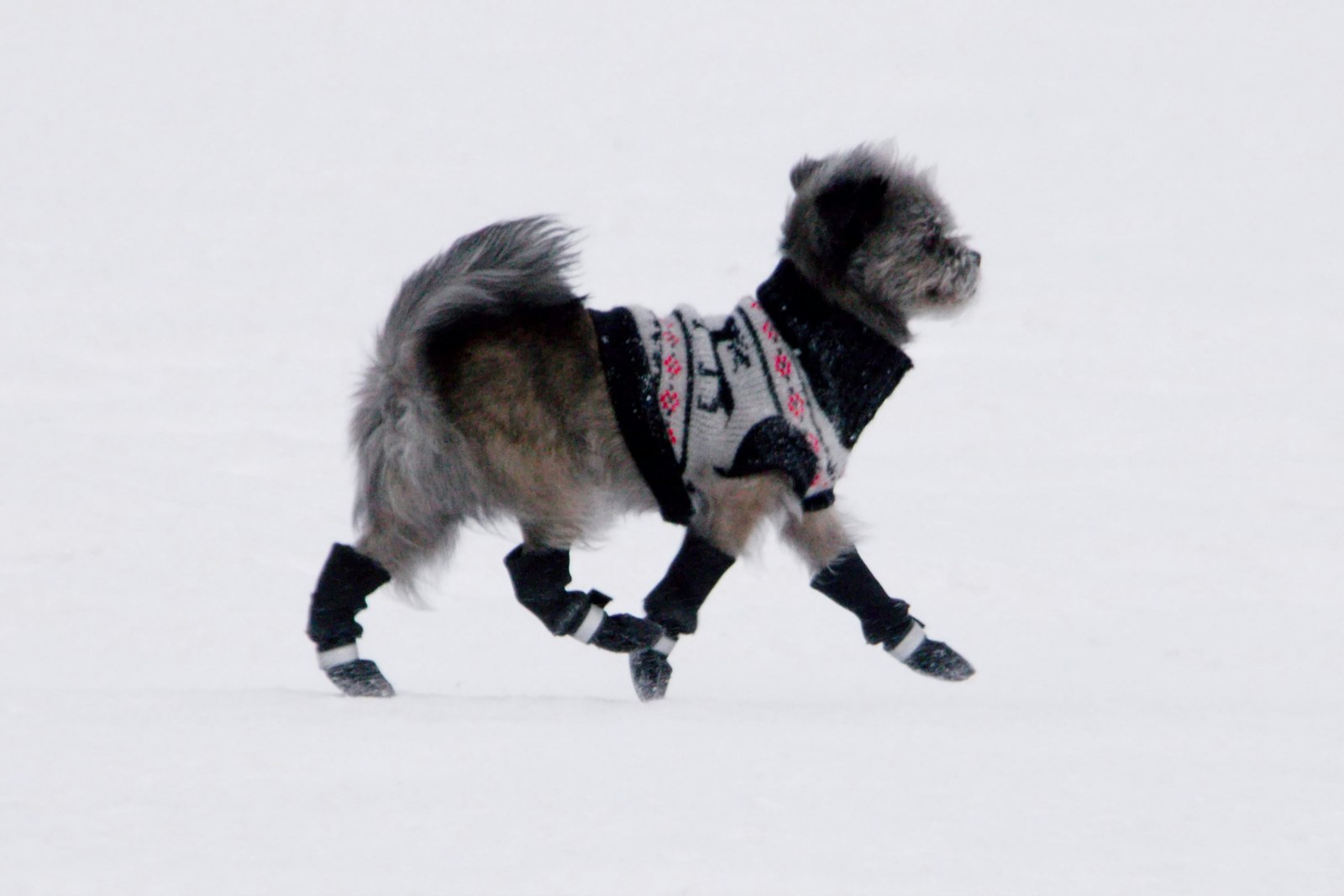
Boots protect paws from ice, grit and road salt, but only if they stay on and let a dog walk normally. Here is which dogs benefit most, how to measure, the fit checks that matter and how to get a reluctant dog to accept them.
Which dogs benefit most
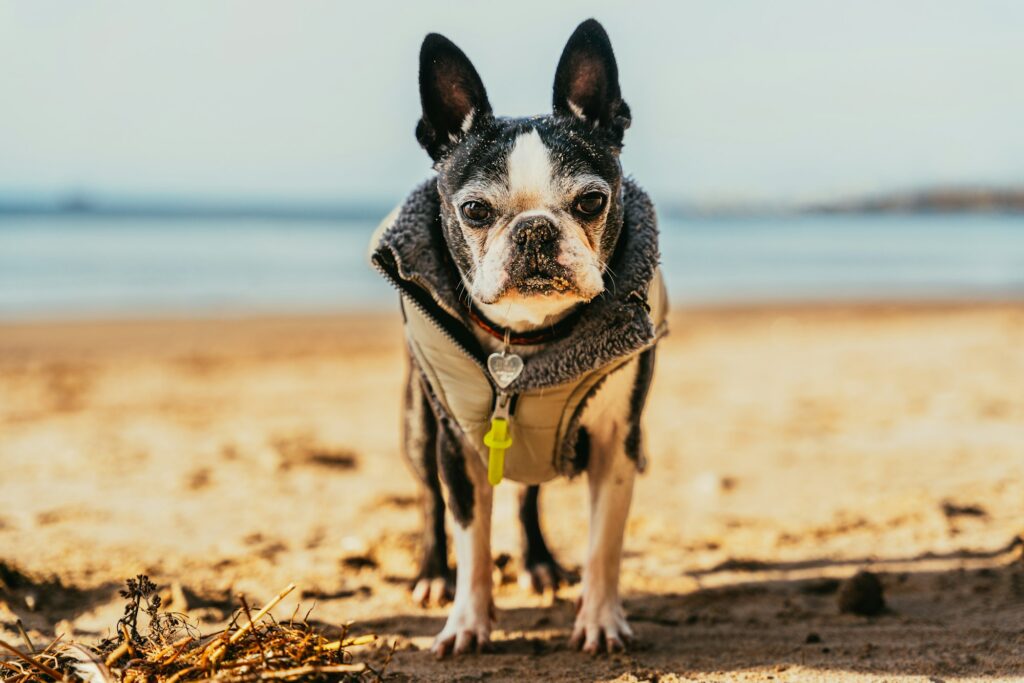
Paw pads are tough, but they are not built for chemical ice melt. Veterinarians at the University of Wisconsin School of Veterinary Medicine say dogs can still get frostbite on their feet despite fur and padding, and that coats and boots help most for short-haired, very slender and elderly dogs. Massachusetts animal-health officials suggest boots as one way to prevent the paw irritation that salt and de-icing chemicals cause. The ASPCA adds that rock salt can irritate paws and, if licked off, raise a dog’s sodium to dangerous levels.
The American Veterinary Medical Association (AVMA) notes that booties can lower the risk of paw injury and illness in winter, and that wax-based paw protectants made with petrolatum or lanolin are an option for dogs who will not wear them.
Measure the paw, not the dog
Boot sizes are based on paw width, and sizing charts vary from one maker to the next, so measure before you buy. A common method: have your dog stand on a sheet of paper with weight on the paw (pads spread when a dog bears weight), mark the widest points on each side and the front and back of the paw, then measure. Many dogs have larger front paws than back paws, so measure both pairs and check whether the brand sells mixed sizes.
The fit checks that matter
- Snug, not tight. A boot that is too loose twists or slips off; one that is too tight can chafe. You should be able to close the strap above the paw without pinching.
- Shape and traction. The American Kennel Club (AKC) advises checking that the sole grips well and that the boot follows the natural shape of the paw. If the paw does not sit securely, try another size.
- The walk test. Watch your dog on a short walk. A high-stepping gait for the first few minutes is normal; limping, stumbling or constant pawing at the boot is not.
- Visibility. Winter walks often happen in the dark. The AKC points to reflective strips as a useful feature.
Getting a dog to accept boots
Start indoors. Put one boot on for a few seconds, reward, take it off. Build up to all four over several short sessions before the first real walk. For very sensitive dogs, the AKC suggests starting with dog socks, which can also be worn under boots for extra warmth. Keep the first outdoor trips short and upbeat.
Boots are not the whole routine
Even with boots on, salt and snow can collect on legs and bellies. The AVMA recommends wiping or washing your dog’s feet, legs and belly after winter walks and checking paws often for irritation or injury. Cornell University’s Riney Canine Health Center gives the same advice and lists well-fitting booties as an alternative for dogs who tolerate them. The AKC also recommends a moisturizing paw balm to keep pads from cracking.
If you notice cracked, bleeding or swollen pads, or your dog keeps licking one foot, call your veterinarian.
Sources
- American Kennel Club — Dog Boots
- American Kennel Club — Dog Boots for Winter
- American Kennel Club — Best Dog Boots
- Veterinary Practice News — AVMA offers cold weather safety advice for pets
- AVMA — Cold Weather Safety for Pets (PDF)
- UW School of Veterinary Medicine — Protect Your Pets from Winter Hazards
- Cornell Riney Canine Health Center — Winter safety tips
- ASPCA — Is It Safe to Use De-Icers Around Your Dog?
- Mass.gov — Winter Pet Safety Tips









Leave a Reply