
Every winter the same question comes up at the door: is it too cold to take the dog out? The honest answer is that it depends on the dog: size, coat, age and health matter as much as the number on the thermometer. Veterinarians do give clear guardrails, though, and once you know them the decision takes seconds.
The temperature guardrails vets use
Dr. Aly Cohen of Cornell’s Riney Canine Health Center lays out a simple scale (via NBC News Select):
- 45°F to 32°F: some dogs start to feel uncomfortable. Keep walks normal, but watch for the warning signs below.
- 32°F and below: it’s time to limit outdoor time for all dogs.
- Below 20°F: brief bathroom breaks only.
Wind, wet snow and freezing rain make any of these numbers feel colder, so treat a windy 35°F like a still 30°F.
Which dogs get cold first
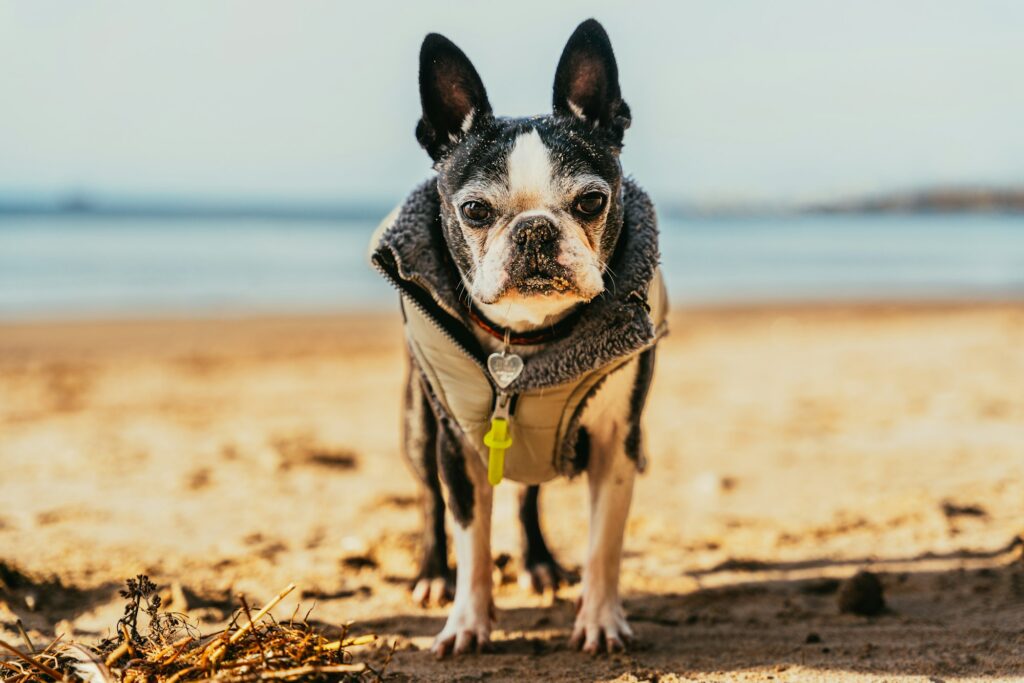
- Small breeds and short or thin coats: Chihuahuas, Greyhounds, Whippets, Dachshunds, French Bulldogs and similar dogs lose heat fastest.
- Puppies, who can’t regulate their body temperature well yet.
- Seniors, who have a slower metabolism and less muscle mass to generate heat.
- Dogs with medical conditions such as heart, kidney or endocrine disease.
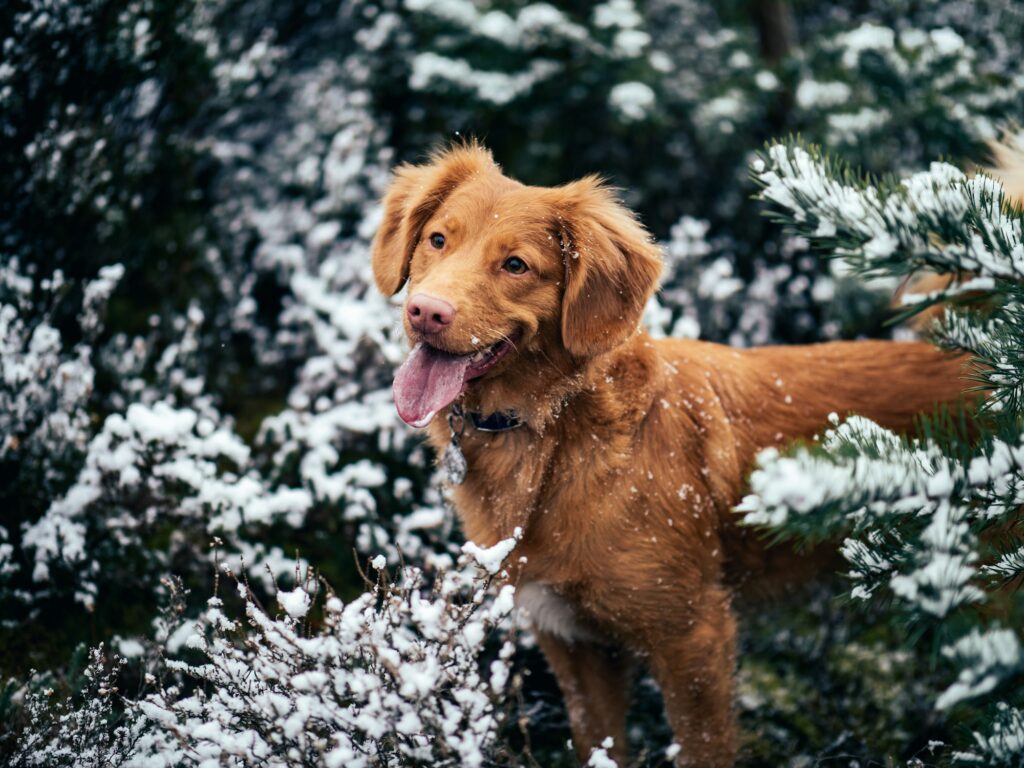
A big, thick-coated dog isn’t automatically fine either. Even northern breeds benefit from a water-resistant layer in sleet and freezing rain, because a soaked coat stops insulating.
Warning signs your dog is too cold
- Lifting paws again and again, or refusing to keep walking
- Shivering or shaking
- A hunched posture or a tail tucked tight
- Whining, barking or anxious pacing at the door
If you see these, head home, dry your dog off and warm them gradually. Lethargy, pale or grey skin on the ears, tail or paws, or confusion can mean hypothermia or frostbite. Call your veterinarian right away.
Try it: the Pupwear Walk Check
Enter today’s temperature and tell us about your dog.
Five habits that make winter walks easy
- Walk at the warmest part of the day, usually late morning to early afternoon.
- Go shorter and more often rather than one long walk.
- Dress the dogs who need it: small, short-coated, young, old or unwell dogs, and anyone in sleet.
- Protect paws. Ice melt and road salt are a real hazard (see our paw-safety guide).
- Towel off at the door. A wet dog chills fast, even indoors.
Pupwear builds cold-weather wear for dogs who feel the season. This guide is general information; your veterinarian knows your dog best.
Reading the Conditions Beyond the Thermometer
The temperature guardrails are a starting point. On a given morning, a few other conditions can make the same number feel very different to your dog.
- Wind: moving air pulls heat away from the body faster. Exposed open areas, waterfronts and wide streets are often colder than sheltered neighborhoods.
- Moisture: wet snow, drizzle and slush soak into fur and skin. A dog who stays dry at 30°F may be more comfortable than a soaked dog at 38°F.
- Sun versus shade: a sunny, sheltered walk can feel noticeably warmer than a shaded path at the same temperature.
- Ground conditions: ice, packed snow and salted sidewalks affect paws and footing, regardless of the air temperature.
- Your dog’s activity: a dog trotting or playing generates more warmth than a dog standing still while you chat with a neighbor.
Planning a Cold-Day Walk, Step by Step
- Check the forecast and feel. Look at the temperature, wind and precipitation, and step outside yourself for a moment.
- Decide on length. Use the guardrails and your dog’s risk factors to choose a normal walk, a shortened loop or a quick bathroom break.
- Dress your dog if needed. Put the coat on indoors so your dog starts warm.
- Plan a route with an easy exit. Loops close to home let you cut the walk short if your dog shows signs of being cold.
- Check in along the way. Every few minutes, look for paw lifting, shivering or slowing down.
- Finish with the towel routine. Dry legs, belly and paws, and let your dog warm up in a cozy spot.
Keeping Dogs Busy on Too-Cold Days
When walks have to be short, your dog still needs exercise and mental stimulation. Some ideas that work indoors:
- Food puzzles and snuffle mats that turn a meal into a search.
- Hide-and-seek with treats or with you hiding in another room.
- Short training sessions to practice cues or teach a new trick.
- Gentle tug or fetch in a hallway with good footing.
- Stair-free play for seniors and dogs with joint concerns.
Several brief sessions spread through the day usually work better than one long one, and they help prevent the restlessness that can build during a cold snap.
Mistakes to Avoid on Cold Walks
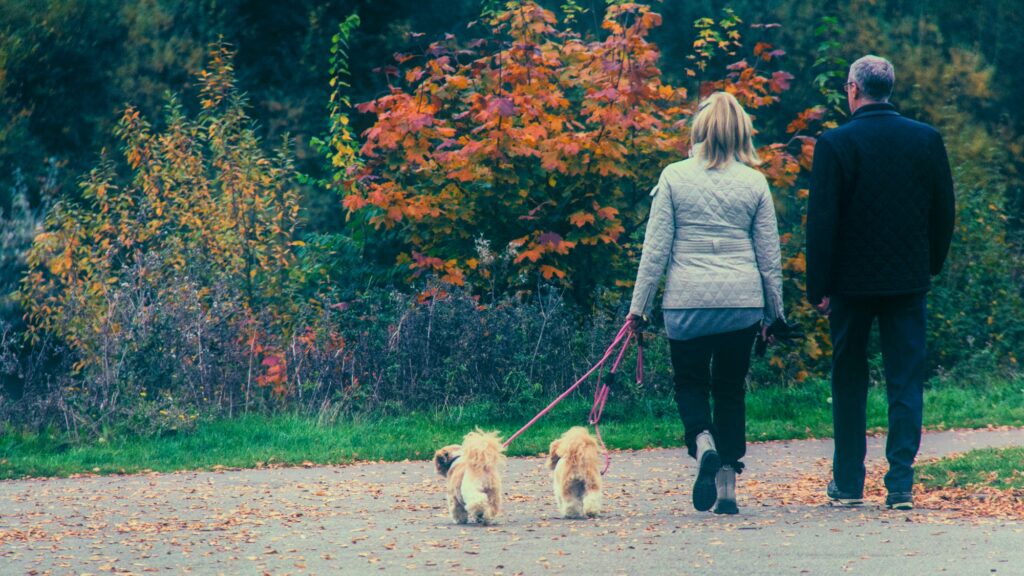
- Using the same plan for every dog. If you walk two dogs together, the walk should suit the one who gets cold first.
- Putting on a wet coat. A damp jacket chills rather than warms. Let gear dry fully between walks.
- Leaving dogs in cold cars. A parked car can cool down quickly in winter, much as it heats up in summer.
- Standing still too long. Long chats at the corner add up. Keep moving or head home.
- Skipping the paw check. Ice balls, cracked pads and salt residue are easy to miss if you go straight inside.
Cold Walk FAQ
Does my dog need a coat if they have thick fur?
Many thick-coated dogs are comfortable without one in dry cold. In sleet, freezing rain or wet snow, a water-resistant layer helps keep the coat dry so it can do its job.
Are booties necessary?
Not for every dog, but they can help on salted sidewalks, icy surfaces or for dogs with sensitive paws. Introduce them gradually indoors with treats.
How warm should my house be for my dog?
If you are comfortable, most dogs will be too. Give small, older or thin-coated dogs a warm bed away from drafts and doors.
If your dog has any medical condition, ask your veterinarian for cold-weather guidance specific to them.