

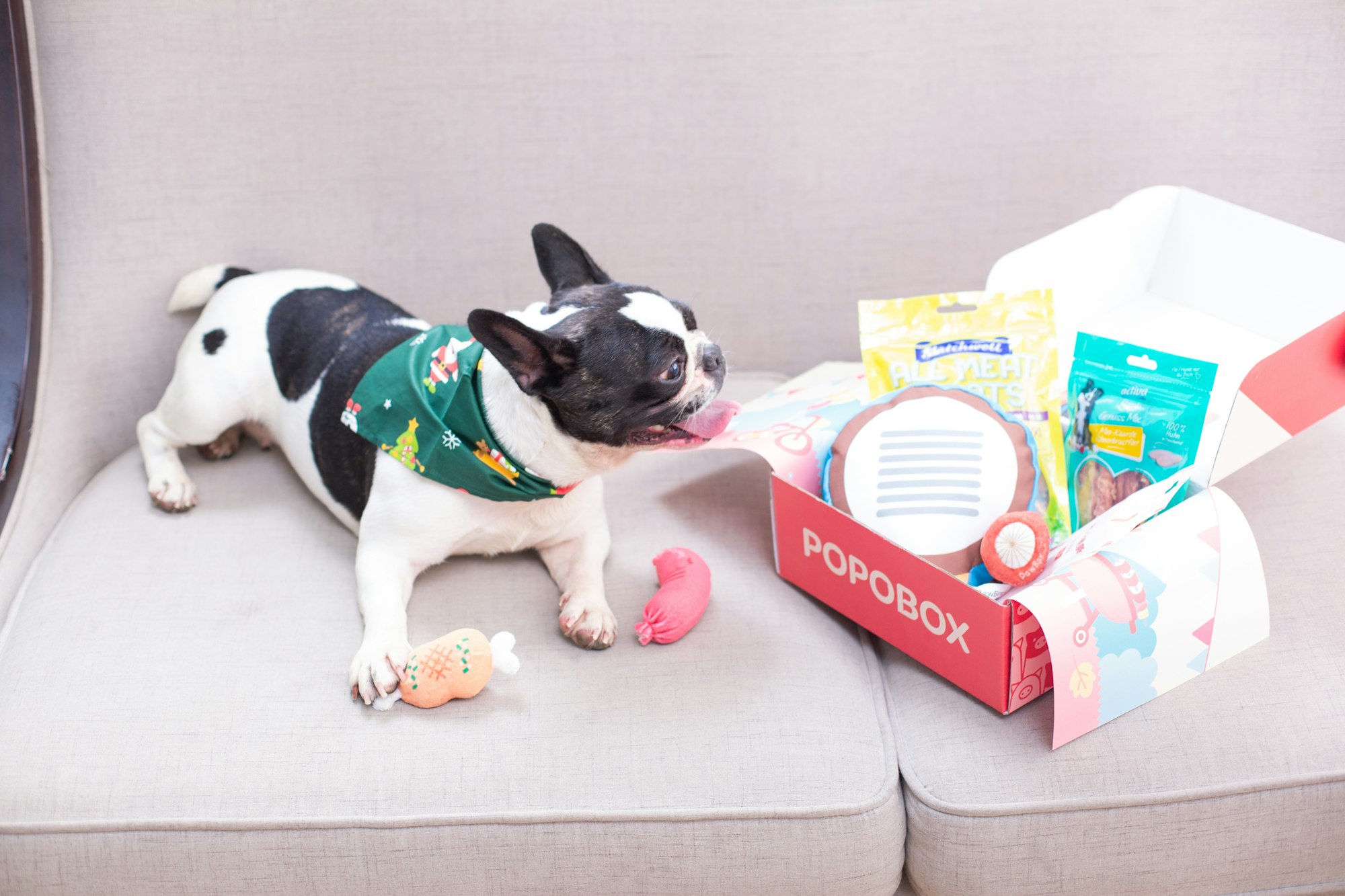
The day after Thanksgiving is when the gift lists come out, and most of them are organized by price or by whatever is new this year. That works for gadgets. It works badly for dogs, because the best gift for one dog can be a choking hazard, a waste of money or a source of stress for another. A dog who shreds plush toys in four minutes needs something completely different from a senior dog who has stopped playing fetch.
So this guide is organized the other way around: by need. Start with the dog you are shopping for, decide which description fits, and then shop. We are not recommending specific brands or prices here; the goal is to help you judge anything you see on a sale page.
Before you shop: three questions about the dog
Ask these first, whether the dog is yours or belongs to a friend:
- How does this dog play? Chewers, shakers, carriers, fetchers and cuddlers want different things. Humane World for Animals (the organization formerly known as the Humane Society of the United States) suggests offering a mix of toys with different purposes: something to carry, something to shake, something to roll and something to cuddle.
- How big is the dog’s mouth? A toy that is too small can be swallowed or lodge in the throat. Size up when in doubt.
- Will someone supervise? Some excellent toys are only safe with a person in the room. If the dog spends hours alone, buy for those hours.
If you are buying for someone else’s dog, ask the owner. A quick text asking “Is your dog a chewer?” saves a lot of returns.
For the power chewer
Power chewers are the dogs who destroy toys that other dogs keep for years. For them, the main gift is durability. Humane World for Animals points to hard rubber toys in the style of a Kong or a Nylabone for chewing and carrying, and it suggests very hard rubber toys as a longer-lasting alternative to rawhide.
When you look at a product page, check for:
- One solid piece, with no parts that can be chewed off.
- A size that matches or exceeds what the maker recommends for the dog’s weight.
- A clear note on whether the toy is meant for chewing or only for fetching. Tennis balls, for example, are good for fetch but should not be chewed, according to Humane World for Animals.
Also include a plan for retirement. Any toy that is torn or breaking apart should be thrown away, and a chewer goes through toys faster than most owners notice.
For the dog who spends the day home alone
A distraction toy can turn a long, empty afternoon into an hour of work. Humane World for Animals describes stuffable rubber toys filled with broken-up treats that can keep a dog busy for a long stretch, and treat-dispensing puzzle or “busy box” feeders that make a dog work for food, which also slows down fast eaters.
Two cautions come with these gifts:
- Peanut butter. If the owner plans to fill a toy with peanut butter, it must not contain xylitol, a sweetener that is toxic to dogs. Ask the veterinarian whether peanut butter suits that dog at all.
- Difficulty. A puzzle that is too hard frustrates a dog. Look for adjustable puzzles or ones with several levels, and suggest the owner start on the easiest setting while they are home to watch.
Squeaky toys and stuffed toys are usually better as supervised play, since many dogs try to dig out the squeaker or the filling.
For the cold-weather walker
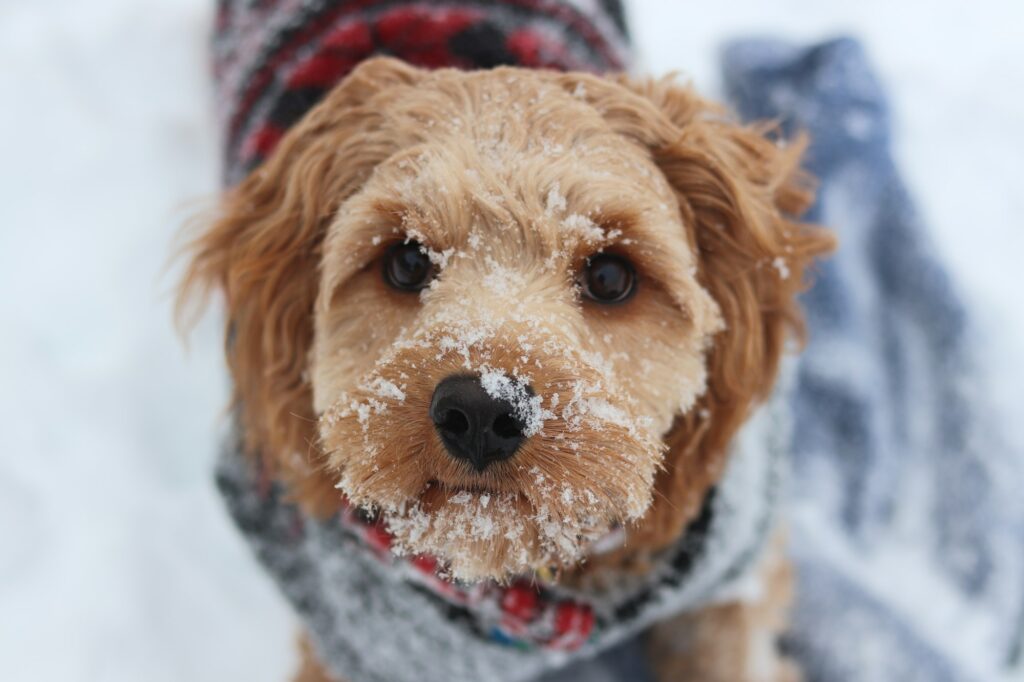
Winter gear makes a useful gift, but only if it fits, and fit cannot be guessed. If you are buying a coat, sweater, harness or boots for someone else’s dog, ask the owner for measurements or offer a gift card instead. For your own dog, measure before you shop and keep the numbers on your phone.
Good cold-weather gifts by need include:
- For the short-coated or small dog: a coat or sweater that covers the chest and back without restricting the legs or rubbing behind the front legs.
- For the dog who walks after dark: reflective trim, a reflective harness or a clip-on light. Gear that makes a dog visible in headlights is useful from November through March.
- For the dog on salted sidewalks: boots, if the dog will tolerate them after gradual practice, or a paw balm and a towel kept by the door.
- For the household with a muddy entry: a washable mat and an absorbent towel make every winter walk easier to finish.
Look for machine-washable fabrics and clear sizing charts. Gear that cannot be washed easily tends to stay in the closet.
For the senior dog, and for the dog who cannot see well
Older dogs often play differently, not less. Gifts that emphasize comfort and scent can be the right choice. A supportive bed, a non-slip runner for slick floors or a soft coat for chilly mornings can make daily life easier. If the dog has joint problems or a medical condition, the owner’s veterinarian is the best guide to what helps.
Humane World for Animals notes that blind dogs can still enjoy toys because their senses of scent, taste, hearing and touch still work. Toys with food smells or sounds, treats hidden in puzzle boxes, and gentle tug or drag-along-the-floor play are all ways to keep these dogs engaged. Simple, predictable games often work best.
For the new puppy
Puppies chew because they are teething, usually from about 12 weeks to 6 months of age, according to Humane World for Animals. Durable rubber and nylon toys that will not break into swallowable pieces are the core of a puppy gift, and freezable teething toys can soothe sore gums.
Avoid adult-size gear that the puppy will “grow into.” Collars, harnesses and coats should fit the dog today, with regular fit checks as the puppy grows. A gift card or a set of adjustable basics is often more useful than a fixed-size item.
For stuffed toys of any kind, Humane World for Animals suggests checking that the label says the toy is safe for children under 3, avoiding fillings such as nutshells or polystyrene beads, and remembering that even “safe” stuffing is not digestible.
For the person who loves the dog
Some of the best dog gifts are really for the owner:
- A new ID tag with current contact details.
- A session with a trainer to work on a specific goal, such as loose-leash walking or doorbell manners.
- A gift card to a local groomer, walker or daycare the owner already trusts.
- Time. An offer to walk the dog during a busy December week can mean more than anything in a box.
A word about giving a dog as a gift
The ASPCA’s position is more nuanced than many people expect. It supports giving pets as gifts only to people who have shown a lasting interest in having one and the ability to care for it responsibly, with the animal coming from a shelter, rescue, responsible breeder or friend or family member rather than an unknown source. For children under 12, the parents must be ready to take on the care. For a surprise gift, the giver should know the recipient’s schedule and lifestyle well. And the recipient should have time to help the animal settle in, which is harder during a busy holiday season.
If you are not sure, a gift of supplies and a promise to visit the shelter together after the holidays is a thoughtful alternative.
A sale-season checklist
- Know the dog’s play style and mouth size before you buy a toy.
- Have measurements before you buy anything wearable.
- Check the return policy and whether opened items can be returned.
- Prefer one-piece, durable toys for chewers and supervised play for squeakers and plush.
- Look for machine-washable materials.
- Keep receipts with the item until you know it fits and holds up.
A good gift fits the dog, suits the way the dog lives, and is still safe after the first hard week of use. Shop for that, and the price tag matters much less.
Sources: Humane World for Animals; ASPCA
Quick check
How much did you catch? Tap a question to see the answer.
1. Why should tennis balls be used for fetch rather than chewing?
Answer: Humane World for Animals says tennis balls are good for fetching but should not be chewed.
2. What ingredient must be avoided if peanut butter goes in a dog’s toy?
Answer: Xylitol, a sweetener that is toxic to dogs.
3. When does the ASPCA support giving a pet as a gift?
Answer: When the recipient has shown lasting interest and can care for the pet responsibly, and the pet comes from a responsible source.











Leave a Reply