
Black Friday is built for screens and doorbusters. The Saturday after it is built for something slower: walking into a shop, talking to the person behind the counter and, if you are a dog owner, possibly bringing the dog along to try something on. Small Business Saturday has been part of the holiday calendar long enough that many communities now plan around it, and it happens to suit dog gear unusually well.
This guide covers why that is, what to ask when you shop locally for your dog, how to think about gifting local services, and how to judge handmade gear from a craft fair or a neighborhood maker.
Where Small Business Saturday came from
Small Business Saturday began in 2010, when American Express promoted small businesses during the stretch between Black Friday and Cyber Monday. The U.S. Small Business Administration officially co-sponsored the day a year later, according to the SBA’s Office of Advocacy, which marked the day’s fifteenth year in 2025. The same office counts 34,752,434 small businesses in the United States, a reminder that “small” covers a huge part of the economy.
For dog owners, that category includes far more than shops. It includes independent groomers, trainers, walkers, pet sitters, daycares, boarding kennels, mobile veterinary services, local bakeries that make dog treats, and the makers who sew collars and coats at a kitchen table. All of them can be part of how you shop this weekend.
Why dog gear is worth buying in person
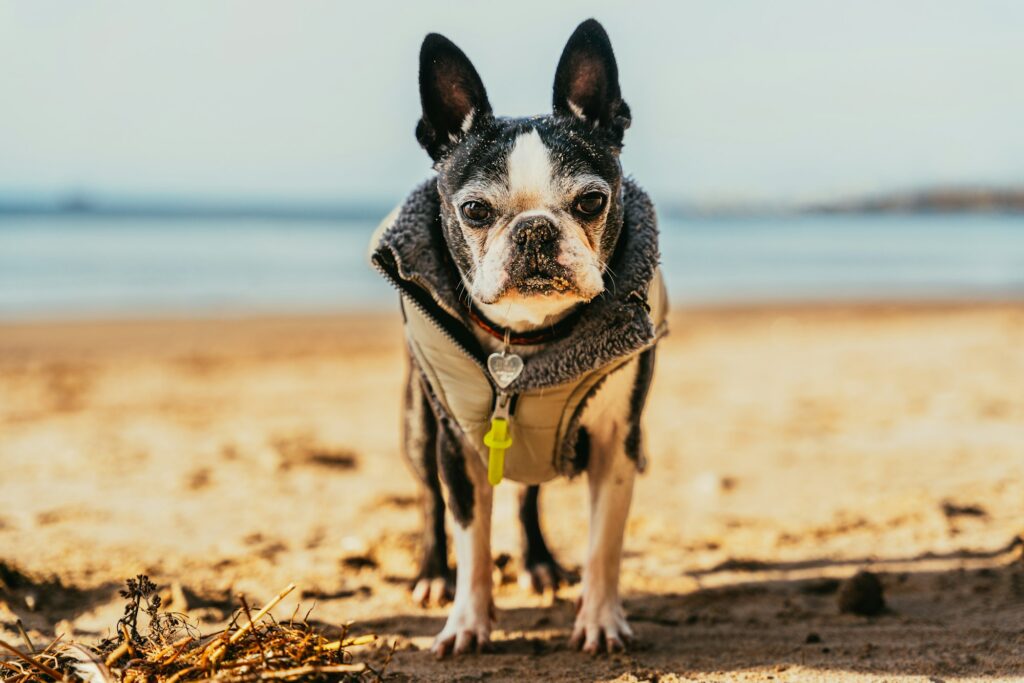
Clothing and walking gear depend on fit, and fit is hard to judge on a product page. Two harnesses labeled “medium” can sit very differently on the same dog. A coat that looks long enough in a photo can stop short of the base of the tail or press into the armpits when the dog walks.
In a shop, you can:
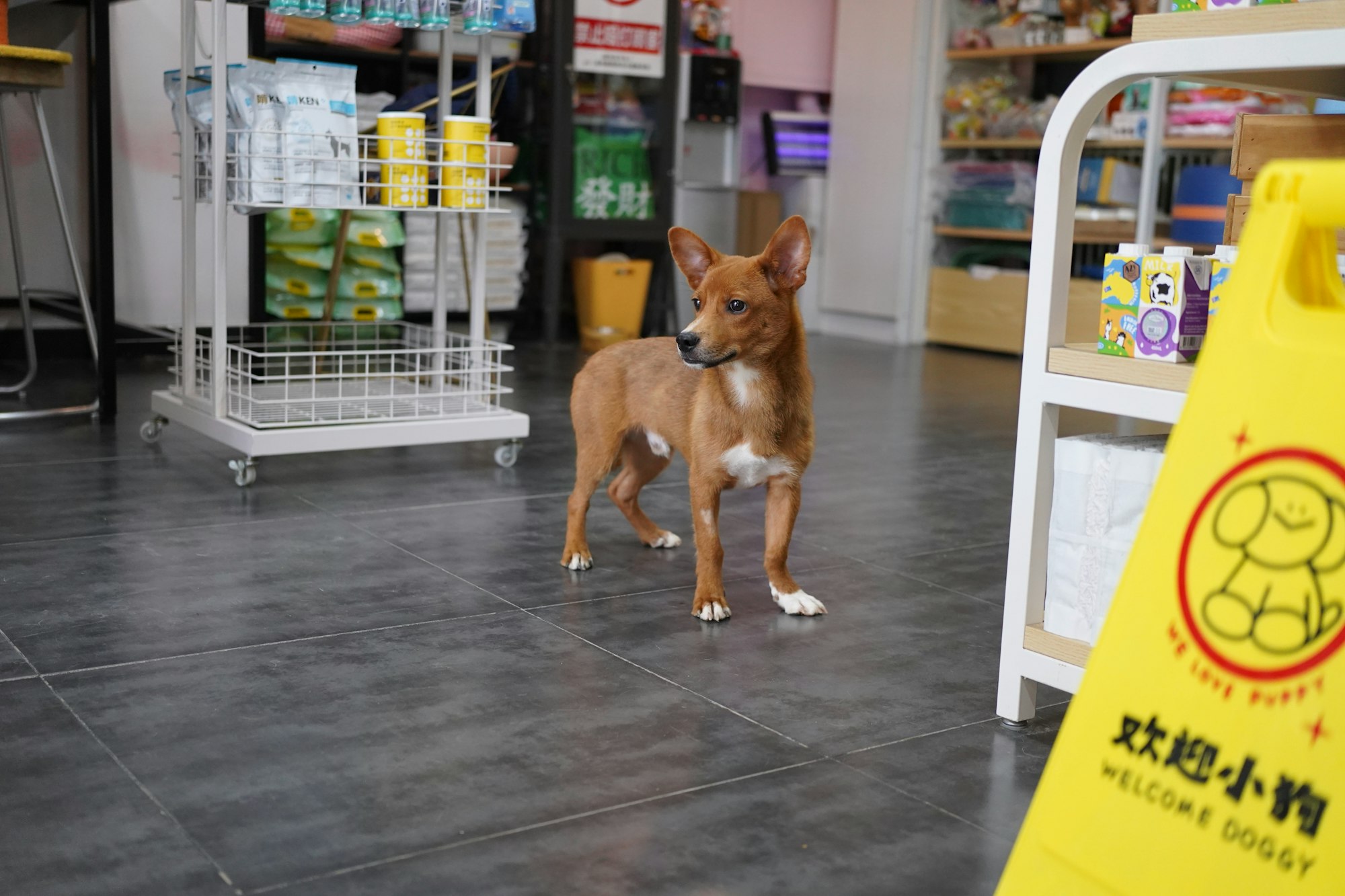
- Try before you buy. Many independent pet shops welcome leashed, friendly dogs. Call ahead and ask; never assume.
- Watch the dog move. Have your dog walk, sit and lie down in the harness or coat. Look for rubbing behind the front legs, a chest strap that sits on the throat, or a hem that catches on the back legs.
- Feel the materials. Check seams, buckles and D-rings. A leash clip should close firmly and the stitching around it should be dense and even.
- Ask about returns before you pay. Small shops often have their own policies on opened or worn items, and those policies can differ from big retailers’.
If you are not bringing the dog, bring the numbers: neck, chest at its widest point, and back length from the base of the neck to the base of the tail. A good shop employee can do a lot with three measurements and a photo.
Questions worth asking at a local pet shop
Independent shops often know their stock in a way a search result cannot. Use that. Good questions include:
- Which of these harnesses do customers with dogs like mine come back for, and which ones get returned?
- Is this coat machine washable, and how does it hold up after a winter of washing?
- Which toys do you see people replace most often because they did not last?
- Can you order a different size if this one does not fit?
- Do you know a groomer, trainer or walker in the area that customers recommend?
That last question is often the most valuable. Local shops tend to hear which service providers people trust, and which ones they stopped using.
Gifting local services the smart way
For many dog owners, the most useful gift is not a thing. A grooming appointment before the holidays, a few sessions with a trainer, a week of midday walks or a night of boarding can be worth more than another toy. Most of these are given as gift cards or gift certificates, so it helps to know the basics.
The Consumer Financial Protection Bureau has explained that, under federal rules, a gift card generally cannot be sold with an expiration date less than five years out, and it cannot charge inactivity or service fees during the first 12 months. Some cards that are not sold as gift cards may not be covered, and state laws can add protections. The CFPB also suggests including the terms and the receipt with the card and considering the financial health of the business that issues it, since a card can become hard to use if a business closes.
For service gift certificates in particular:
- Confirm the business is taking new clients. A popular groomer may be booked out for weeks. Ask before buying a certificate for someone who has never used them.
- Ask about requirements. Groomers, daycares and boarding facilities often require proof of vaccinations or an evaluation visit. Let the recipient know.
- Write down what it covers. “One bath and nail trim for a medium dog” is clearer than a dollar amount when prices vary by size and coat.
- Keep a copy. Snap a photo of the certificate or card number in case it gets lost.
For trainers, it can be worth asking about credentials and methods. Some trainers hold independent certifications; others build their reputation through experience and references. Either way, ask how they train and what a first session looks like.
Judging handmade and craft-fair dog gear
Holiday markets and craft fairs are full of beautiful dog items: hand-sewn bandanas, knit sweaters, braided leashes and stitched collars. Many are well made. A few were designed to look charming on a table rather than to survive a dog. A quick inspection helps you tell the difference.
For anything a dog will wear:
- Look for loose decorations. Pom-poms, buttons, bells, sequins and beads can be chewed off and swallowed. On a dog item, plainer is often safer.
- Check closures. Snaps and hook-and-loop strips should hold under a firm tug. A sweater should come off easily without pulling over the dog’s eyes.
- Ask how to wash it. Hand-wash-only knitwear is lovely but may not suit a dog who rolls in everything.
For collars and leashes, ask the maker what hardware they use and how they attach it. A leash is safety equipment. The clip, the ring and the stitching that holds them must be strong enough for the dog at the other end, especially a large or strong-pulling dog. If the maker cannot answer, consider buying a decorative item instead and keeping your everyday leash as it is.
For homemade dog treats, ask for a full ingredient list, and check it against anything your dog’s veterinarian has told you to avoid. Holiday baking can include ingredients such as raisins, chocolate or xylitol that are dangerous to dogs, so do not assume a treat is dog-safe simply because it has a paw print on the label.
Shelters, rescues and their shops
Many shelters and rescue groups run small retail corners, sell calendars or merchandise, or keep wish lists of supplies. Buying from them, or picking up items from their wish list at a local shop, puts money and gear where it is needed. Before you donate, check the organization’s list so you bring what they can actually use.
Bringing your dog along: shop etiquette
If you plan to shop with your dog, a little preparation makes the trip pleasant for everyone:
- Call ahead or check the shop’s posted policy; dog-friendly is not universal, and food businesses may have health-code limits.
- Take your dog for a walk and a bathroom break before going inside.
- Use a short, fixed-length leash, and keep your dog close in narrow aisles.
- Skip the trip if your dog is nervous in crowds. Holiday weekends are busy, and a stressed dog will not try on a coat calmly anyway.
- Keep visits short. Two or three stops are plenty.
A Small Business Saturday checklist for dog owners
- Write down your dog’s neck, chest and back measurements.
- Call ahead about bringing your dog.
- Ask about returns and exchanges before paying.
- Inspect handmade items for chewable decorations and weak hardware.
- Read the terms on any gift card or service certificate, and keep the receipt.
- Check a local shelter’s wish list.
- Ask the shop for local service recommendations.
Shopping small for your dog is less about the bargain and more about the conversation. The person behind the counter may be the one who finally helps you find a harness that does not rub, and that is worth the trip.
Sources: U.S. Small Business Administration, Office of Advocacy; Consumer Financial Protection Bureau
Quick check
How much did you catch? Tap a question to see the answer.
1. When did Small Business Saturday begin, and who started it?
Answer: It began in 2010, promoted by American Express; the SBA co-sponsored it a year later.
2. Under federal rules described by the CFPB, how soon can a gift card expire?
Answer: Generally no sooner than five years, with no inactivity fees in the first 12 months.
3. What should you check first on handmade dog clothing?
Answer: Loose decorations such as pom-poms, buttons, bells or beads that a dog could chew off and swallow.











Leave a Reply