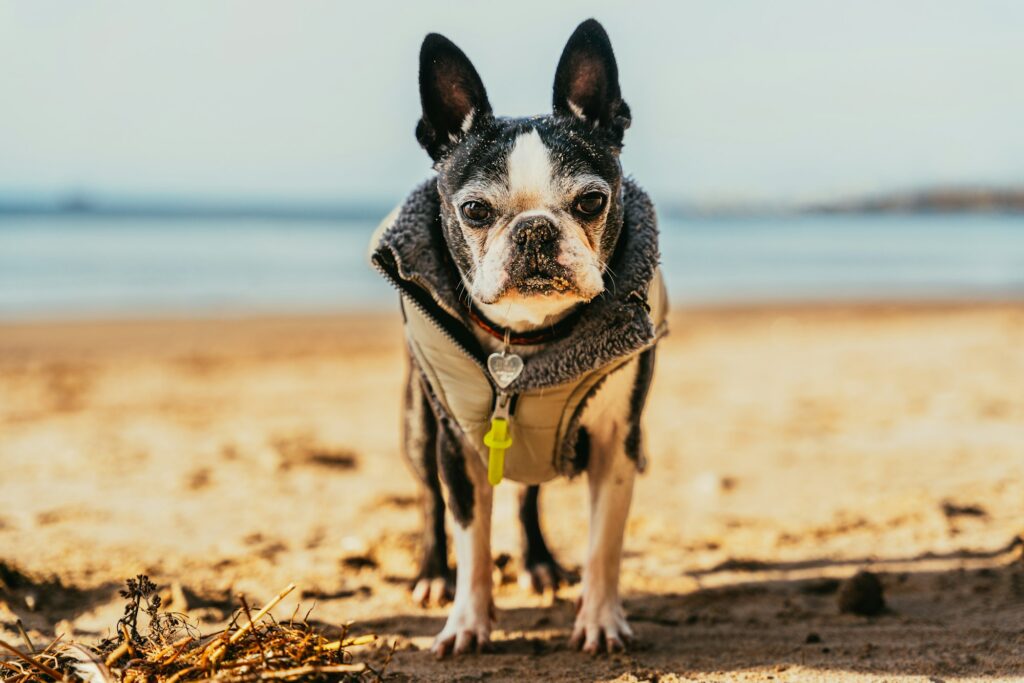

This is today's short read for dog owners, walkers and the people who care for them: the developments worth knowing before your day gets busy. Mornings are getting colder, so this is the month to check that last year's jacket still fits.
In today’s briefing:
- American veterinarian calls attention to nutrition
- Vet's '10-minute' activity that tires dogs more than an extra mile
- MSPCA transports dozens of shelter dogs to Mass. ahead of Hurricane Isaias
- Rescue Dog Birdie’s Journey on Wheels Leads to Home
- Denver-Based Veterinarian Clinic Sploot Opens New Front Range Locations, Expanding Access Across Colorado
American veterinarian calls attention to nutrition
Reported by De Molenaar, Oct 9 — read the full story.
Why it matters: Your vet is your best partner. When a health story makes headlines, a quick call to your clinic is always the right next step.
Vet's '10-minute' activity that tires dogs more than an extra mile
Reported by Teesside Live, Oct 10 — read the full story.
Why it matters: Stories like this shape everyday life with dogs, at home and on the walk.
MSPCA transports dozens of shelter dogs to Mass. ahead of Hurricane Isaias
Reported by WCVB, Oct 9 — read the full story.
Why it matters: Shelters run on community. Adopting, fostering or simply sharing an adoptable dog's profile can change a life this week.
Rescue Dog Birdie’s Journey on Wheels Leads to Home
Reported by iHeartDogs.com, Oct 9 — read the full story.
Why it matters: Good information makes for happier dogs. This one is worth knowing.
Denver-Based Veterinarian Clinic Sploot Opens New Front Range Locations, Expanding Access Across Colorado
Reported by FinancialContent, Oct 9 — read the full story.
Why it matters: Worth a read for anyone who shares their home with a dog.
Keep exploring Pupwear
- How cold is too cold for your dog? — the vet-backed guide
- Measure your dog for a jacket — two minutes, three numbers
- Preview the boutique — the first Pupwear collection
Join the Pack for new collections and guides →
Pupwear publishes a new briefing every morning. Stories are summarized with credit and links to the original reporting.
Going Deeper: Why Nutrition Keeps Making Headlines
Nutrition is one of the most common topics veterinarians raise with owners, and for good reason. What a dog eats every day affects weight, energy, coat condition and long-term health. Stories that call attention to nutrition often circle back to a few practical points that apply to most households.
- Measure meals. Using a measuring cup or a kitchen scale, rather than eyeballing a scoop, helps keep portions consistent.
- Count the extras. Treats, chews, table scraps and training rewards add up. Many vets suggest treats make up only a small share of daily food.
- Check body condition, not just the scale. Your vet can show you how to feel for ribs and look for a waist from above and the side.
- Change foods gradually. Switching suddenly can upset the stomach. Your vet can suggest a transition plan.
- Adjust as life changes. Puppies, adults, seniors, very active dogs and dogs with medical conditions often have different needs.
As always, nutrition decisions for your own dog are best made with your veterinarian, especially if your dog has a health condition or is on a special diet.
Short Activities That Tire Dogs Out
Today’s story about a brief activity that tires dogs more than extra distance reflects a widely shared idea among trainers: mental work can be just as tiring as physical exercise. As the weather cools and walks get shorter, a few minutes of brain work can help. Ideas to try:
- Sniff walks. Let your dog set the pace and explore smells along a familiar route instead of walking briskly.
- Scatter feeding. Toss part of a meal into the grass or a snuffle mat so your dog has to search.
- Find it. Hide treats around a room and send your dog to search.
- Quick training rounds. Practice a few cues, or teach a simple new trick, in short bursts.
- Food puzzles. Puzzle feeders slow eating and add a problem-solving challenge.
Mobility Carts and Dogs With Disabilities
Stories about dogs using wheels remind many readers that dogs with mobility challenges can live full, happy lives with the right support. Dog wheelchairs and mobility carts are usually fitted to the individual dog, and veterinarians or rehabilitation professionals often help decide whether one is appropriate. If you are considering adopting a dog with special needs, ask the shelter or rescue about the dog’s daily care, equipment, medical follow-up and any home changes that might help, such as ramps or non-slip rugs.
Shelter Moves Before Storms
When hurricanes and other storms threaten, shelters in the path sometimes move animals to partner shelters elsewhere ahead of time. This frees space for pets that may become separated from their families during the storm and protects animals already in care. For owners, these stories are a good prompt to keep your own emergency plan ready: a carrier or crate, a few days of food and medication, vaccination records, current ID and a list of pet-friendly places to stay.
Briefing Questions Readers Ask
How do I know if my dog is a healthy weight?
Ask your vet to show you a body condition check at your next visit. Many owners are surprised by what a healthy weight looks and feels like.
How much mental exercise does a dog need?
It varies widely by dog. Start with a few minutes a day and watch how your dog settles afterward.
Are new vet clinic openings worth paying attention to?
If you are looking for a vet, more options can mean easier scheduling. Compare services, hours and emergency arrangements before choosing a clinic.
Should I add supplements or toppers to my dog’s food?
Many products are marketed for dogs, but not every dog needs extras, and some can interact with medications or upset a balanced diet. Ask your veterinarian before adding anything new, and bring the product label to your appointment so they can review the ingredients.
My dog is losing interest in long walks as it gets colder. Is that a problem?
Some dogs naturally prefer shorter outings in cold weather. Mixing shorter walks with indoor brain games can keep them active and content. A sudden change in energy, appetite or willingness to move, especially in older dogs, is worth mentioning to your vet, since it can sometimes point to pain or another health issue.