

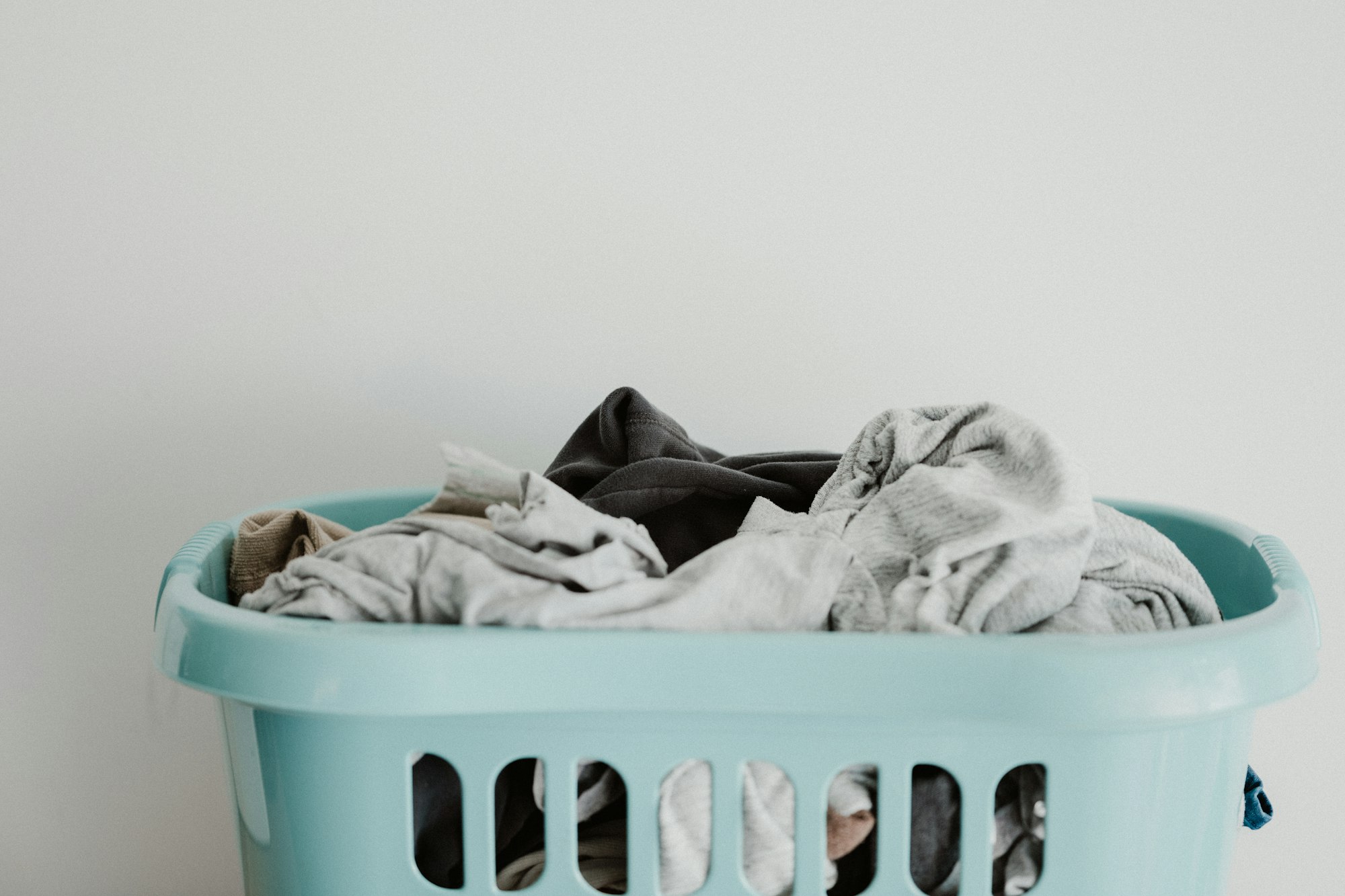
Photo: Annie Spratt / Unsplash
Dog clothing can accumulate around a home faster than its care instructions can be remembered. One item may have a sewn label, another may rely on a product page, and a third may have arrived with a small card. A laundry record keeps those instructions connected to the correct item. It does not replace the manufacturer's guidance or create one washing method for everything. Its purpose is to prevent a busy household from guessing.
Identify the item before copying instructions
Use a plain description that another person will recognize, such as the blue garment with a front fastening. Add a photo of the item and a separate readable photo of its care label. Avoid relying only on a brand name when several products share that brand. If instructions were supplied on packaging, keep a copy before recycling the packaging. Make sure the record refers to the exact product, including any detachable pieces.
Preserve the instructions as written
Copy the label's washing and drying directions without translating them into a more convenient routine. Record any separate instructions for removable parts. If a symbol or direction is unclear, consult the manufacturer's explanation instead of selecting a setting by habit. Do not assume that a familiar fabric name determines the whole process; fasteners, trims and construction can also affect the instructions. Leave unresolved questions visible in the record until reliable guidance is available.
Create a clear waiting place
Give items awaiting care a defined place away from the clean wardrobe. Keep the arrangement appropriate for the household and inaccessible to pets that might pull at loose pieces. The record can identify whether an item is waiting for washing, drying or a care question to be resolved. Avoid leaving damp items packed into a closed storage container. Follow the product's drying guidance before treating it as ready to put away.
Make a handoff possible without a conversation
If one person starts the laundry and another finishes it, a short status note can prevent confusion. Record which stage is complete and what still needs doing. Do not write clean when the garment still needs to finish drying or be checked. A reusable card or shared note is enough; elaborate tracking is unnecessary. The most useful information is what the next person needs to know before handling that particular item.
Check the item before returning it to use
After care is complete, compare the item with its earlier condition. Note visible changes such as a loose fastening, damaged seam or missing label. A laundry record cannot establish that damaged clothing is suitable to wear. Keep an item out of the ready group while a relevant question remains unresolved. If the care process produced an unexpected result, record what was done and ask the manufacturer about that product rather than repeating the process blindly.
Keep the system smaller than the laundry
Update the record when an item changes, when instructions are clarified or when the household's storage location moves. There is little value in documenting every ordinary wash if nobody uses that history. Keep the current guidance easy to find and preserve important questions separately. A successful record lets someone identify the garment, understand its care requirements and complete the handoff without guessing. That is enough structure to make a shared routine more dependable.
A Simple Layout for Each Laundry Entry
The record works best when every entry answers the same handful of questions in the same order. A practical set of fields might be:
- Item. A plain description plus a photo reference.
- Source of instructions. Sewn label, packaging card, product page or manufacturer reply.
- Washing, as written. Copied exactly, including any notes about removable parts.
- Drying, as written. Also copied exactly, kept separate from washing so neither is overlooked.
- Current stage. Waiting, washing, drying, checking or ready.
- Open questions. Anything still unclear, with a note of who was asked and when.
A household with only a few garments might fit all of this on one index card per item. A larger collection may suit a shared document, but the fields stay the same.
Putting It Into Practice: One Load, Two Sets of Instructions
Consider a household with two items waiting for care. One has a sewn label. The other came with a small instruction card that has since been photographed and stored in the record.
- Look up both entries before starting. The instructions are compared side by side. If they differ, the items are not combined simply because it is convenient.
- Handle detachable parts as the instructions say. If one item has a removable piece with its own directions, that piece is recorded and handled separately.
- Update the stage. Once the first item is washed, its entry changes to drying. The second entry stays at waiting until its turn.
- Leave a clear note for whoever finishes. For example: “Item one washed, drying on rack per card. Item two not started.”
- Check before marking ready. After drying as directed, each item is inspected and compared with its earlier condition. Only then does the stage change to ready.
Common Mistakes and How to Avoid Them
- Washing everything the same way. A single routine is easier but can ignore differences between items. The record exists to make the differences easy to follow.
- Throwing away packaging too soon. Photograph or keep any instructions before the box goes in the recycling.
- Reading symbols from memory. Care symbols can be easy to confuse. When in doubt, check the manufacturer’s explanation.
- Writing “clean” too early. A garment that is washed but still damp is not ready, and a damp item packed into storage can cause problems later.
- Leaving items where pets can reach them. Loose straps, toggles and trims can be tempting to chew. A waiting place out of reach avoids that risk.
Questions Readers Ask
What if a garment has no label and no instructions?
Record that instructions are missing and contact the seller or manufacturer if possible. Until guidance is available, keep the item’s entry marked with an open question rather than choosing a method by habit.
Should every wash be logged?
Usually not. The current stage and the instructions are what matter. A note is worth adding only when something unexpected happens or a question comes up.
What should be done if an item changes after washing?
Keep it out of the ready group, note what was done and what changed, and ask the manufacturer about that product before repeating the process.
Can the laundry record and the gear inventory be combined?
They can, as long as the care instructions stay attached to the right item and the status is kept current. Some households prefer one list with a care section for each entry.
Quick check
How much did you catch? Tap a question to see the answer.
1. What should the laundry record preserve?
Answer: The exact product’s care instructions, including directions for detachable parts.
2. When should an item be labeled ready?
Answer: After required care and drying are complete and unresolved condition questions have been addressed.
3. What makes a laundry handoff useful?
Answer: A clear statement of the completed stage and what the next person still needs to do.













Leave a Reply