

I have gathered the stories that matter most to dog owners, walkers and the people who care for them this morning, with a note on why each one counts. With the first frosts arriving, shorter walks and a warm layer keep the coldest days comfortable.
In today’s briefing:
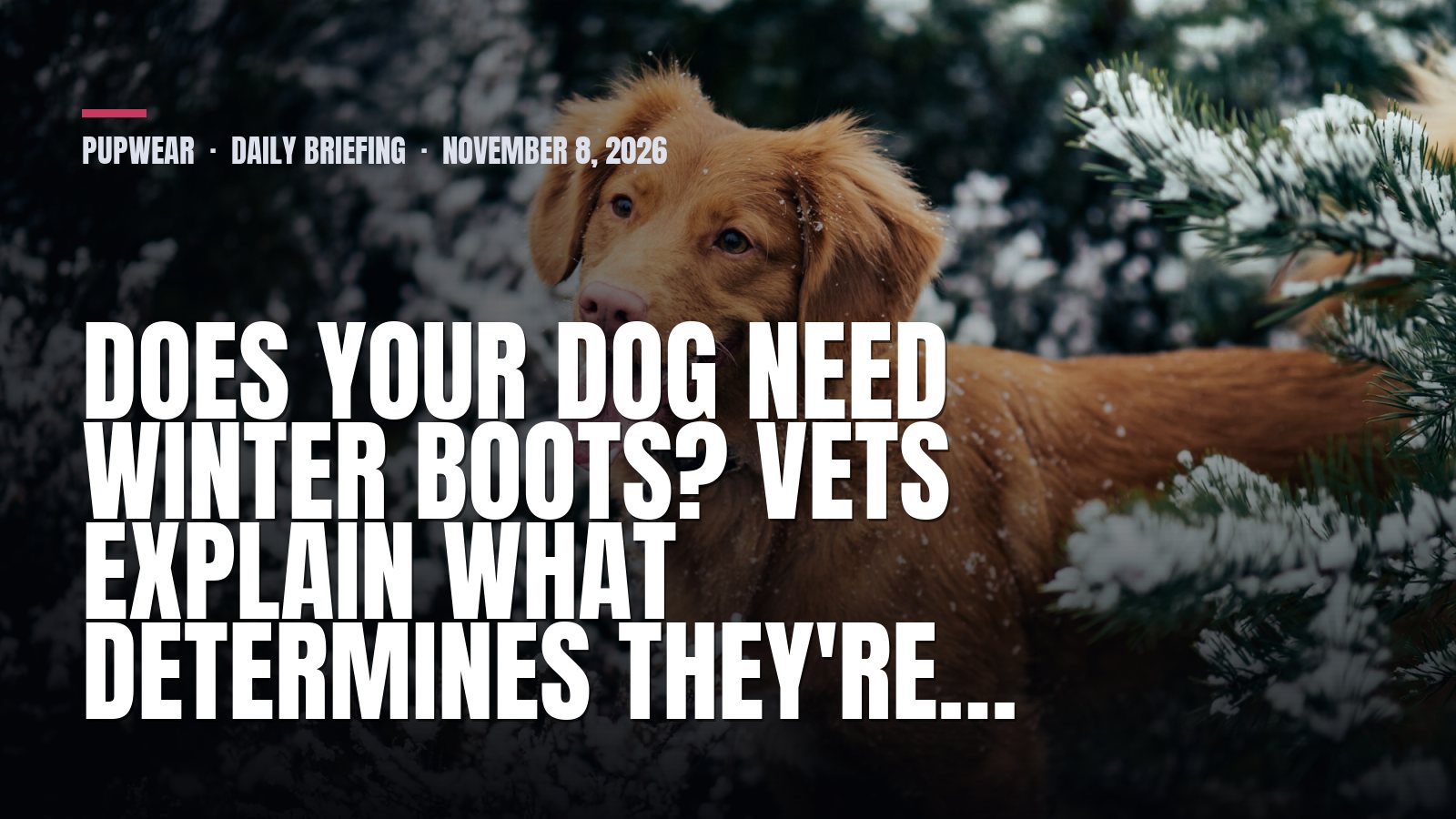
- Does Your Dog Need Winter Boots? Vets Explain What Determines They're Necessary
- Does Your Dog Need Winter Boots? Vets Reveal What Determines Whether They're Necessary
- Gap’s Cashmere-Soft Sweater Joggers Make Winter Dog Walks Toasty Warm
- Boise Weekly Events – Low-cost pet vaccination/microchip clinic and pet adoption event
- 4 Luv of Dog Rescue holds an auction to take care of homeless dogs
Does Your Dog Need Winter Boots? Vets Explain What Determines They're Necessary
Reported by شبكة تواصل الإخبارية, Nov 7 — read the full story.
Why it matters: Cold snaps are when dogs need us most. Short-coated, small and senior dogs lose heat fast, so a well-fitted layer and shorter walks make a real difference.
Does Your Dog Need Winter Boots? Vets Reveal What Determines Whether They're Necessary
Reported by ParadePets, Nov 7 — read the full story.
Why it matters: Your vet is your best partner. When a health story makes headlines, a quick call to your clinic is always the right next step.
Gap’s Cashmere-Soft Sweater Joggers Make Winter Dog Walks Toasty Warm
Reported by ParadePets, Nov 7 — read the full story.
Why it matters: Where we buy matters. Independent shops and thoughtful brands are the backbone of a healthy pet community.
Boise Weekly Events – Low-cost pet vaccination/microchip clinic and pet adoption event
Reported by Idaho Press, Nov 7 — read the full story.
Why it matters: Shelters run on community. Adopting, fostering or simply sharing an adoptable dog's profile can change a life this week.
4 Luv of Dog Rescue holds an auction to take care of homeless dogs
Reported by kvrr.com, Nov 8 — read the full story.
Why it matters: Good information makes for happier dogs. This one is worth knowing.
Keep exploring Pupwear
- Preview the boutique — the first Pupwear collection
- Find a local pet store — independent shops near you
- Paw protection compared — boots, wax and socks
Join the Pack for new collections and guides →
Pupwear publishes a new briefing every morning. Stories are summarized with credit and links to the original reporting.
Putting It Into Practice: Deciding on Boots for Your Own Dog
Whether a dog needs boots comes down to where you walk and how your dog’s paws cope, not to a single rule. A few honest questions will usually point you in the right direction.
- Do your walks cross salted or gritted pavements? Regular contact with de-icers is one of the most common reasons owners reach for boots.
- Does your dog lift paws, limp or stop on cold ground? That can be a sign of discomfort worth taking seriously.
- Do snowballs form between the toes? Dogs with long or feathery fur on their feet can collect ice that pulls and rubs.
- Are the pads already dry, cracked or sore? Protection may help, but sore pads are also worth showing to your vet.
- Is your dog older or less steady on their feet? Some boots have grippy soles that help on slippery ground, though bulky boots can also make some dogs less sure-footed.
How to fit boots properly
- Stand your dog on a sheet of paper and gently press down on one front paw, as they would put weight on it when walking.
- Mark either side of the widest point and the front of the longest nail to the back of the pad, then measure.
- Repeat for a back paw, because front and back feet are often different sizes.
- Compare your measurements with the maker’s own chart. If your dog falls between sizes, follow the maker’s guidance.
- Check the fit: snug enough not to twist or slip off, but not so tight that it presses on the dewclaw or leaves marks.
Introducing boots without a battle
Most dogs walk strangely in boots the first time. That is normal. Start indoors with one boot for a few seconds and a treat, then two, then all four. Keep sessions short and cheerful, and move outside only once your dog walks reasonably normally at home. Take boots off after each walk and check paws for rubbing or dampness. If your dog stays stressed after several gentle sessions, paw wax or simply rinsing and drying paws after walks may suit them better.
Dressing for the Walk, on Both Ends of the Lead
Comfortable winter walks depend on the person as much as the dog. If you are cold and hurried, the walk gets shorter and less fun for both of you.
- Layer up. A warm base layer, an insulated middle layer and a waterproof outer shell let you adjust as you warm up.
- Choose footwear with grip. Icy paths are as risky for you as for your dog. A sudden pull on an icy pavement can cause a fall.
- Use gloves that still let you work the lead. Thinner gloves under mittens are one option for handling poo bags and clips.
- Be visible together. A reflective jacket for you and a reflective layer or light for your dog makes you both easier to spot.
- Keep a dry towel by the door. Drying your dog’s legs, belly and paws as soon as you get in keeps damp fur from chilling them.
Microchips and Rescue Fundraisers: Quick Wins This Month
A microchip is only as useful as the details linked to it. If you have moved house, changed your phone number or adopted a dog whose chip may still be registered to someone else, check your details with the database your chip is registered on. It takes a few minutes and can make all the difference if your dog ever goes missing.
Rescue fundraisers such as auctions are another simple way to help. If you cannot bid, sharing the event, offering a skill or donating a useful new item may still help. Ask the organizers what would be most helpful.
Questions Readers Ask
Can my dog wear boots all day?
It is best to use boots for walks and take them off indoors so paws can breathe and dry out.
Are dog socks the same as boots?
Not quite. Socks are usually lighter and best indoors, especially grippy styles for slippery floors. Boots are built for outdoor ground.
What if my dog’s paw looks red after a walk?
Rinse and dry it gently, keep your dog from licking it and contact your vet if it does not settle or your dog seems sore. This is general guidance only; your vet can advise on your own dog.













Leave a Reply