

Walk into almost any shelter in New England and you’ll meet them: broad-headed, wiggle-bodied dogs labeled “pit bull mix.” They often wait the longest for homes. For Pit Bull Awareness Month, the Animal Rescue League of Boston laid out why the reputation doesn’t match the dogs.
1. “Pit bull” isn’t a breed
It’s an umbrella term usually covering the Staffordshire Bull Terrier, American Staffordshire Terrier and American Pit Bull Terrier. Plenty of dogs with the label are mixes or other breeds that just look the part, and looks rarely reveal a dog’s real background.
2. Most were bred to be family and farm dogs
Some were used in dog fighting, but most never were. Media attention on dog fighting in the 1970s helped create the idea that these dogs are uniquely dangerous. Ancestry doesn’t predict behavior, so each dog should be judged as an individual.
3. Aggression is learned, not born
Like every dog, these dogs pick up behavior from the people who raise them. Neglect and abuse produce problems in any breed, and ARL notes that aggressive dogs of this type are often victims of irresponsible owners.
4. There’s no such thing as “locking jaws”
No breed has a jaw-locking mechanism. Their jaws and teeth aren’t anatomically unusual, and there’s no evidence that any one breed is uniquely able to cause serious injury.
5. They can be great adoptions
Matched well to a household, they’re often loyal, eager to please and quick to learn. ARL recommends adopting from a shelter that does behavioral assessments, and bringing everyone in the home, including your current dog, to meet a potential match.
A note for new owners
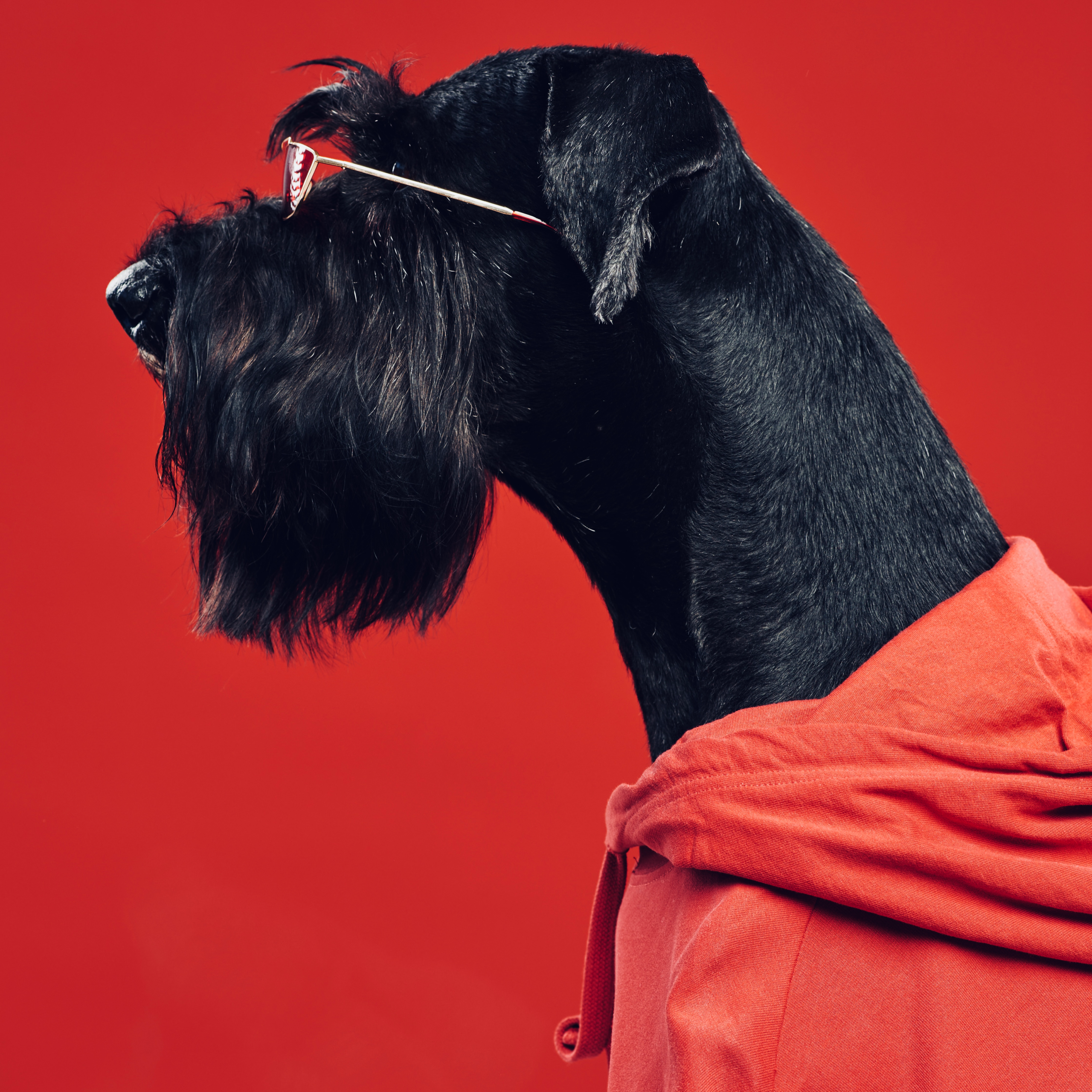
Short-coated, muscular dogs often feel New England cold more than you’d expect. If you’re bringing one home this fall, plan for a well-fitted jacket for winter walks, sized to a deep chest.
Sources: Animal Rescue League of Boston. Written by the Ecosystem Intelligence Desk.













Leave a Reply