

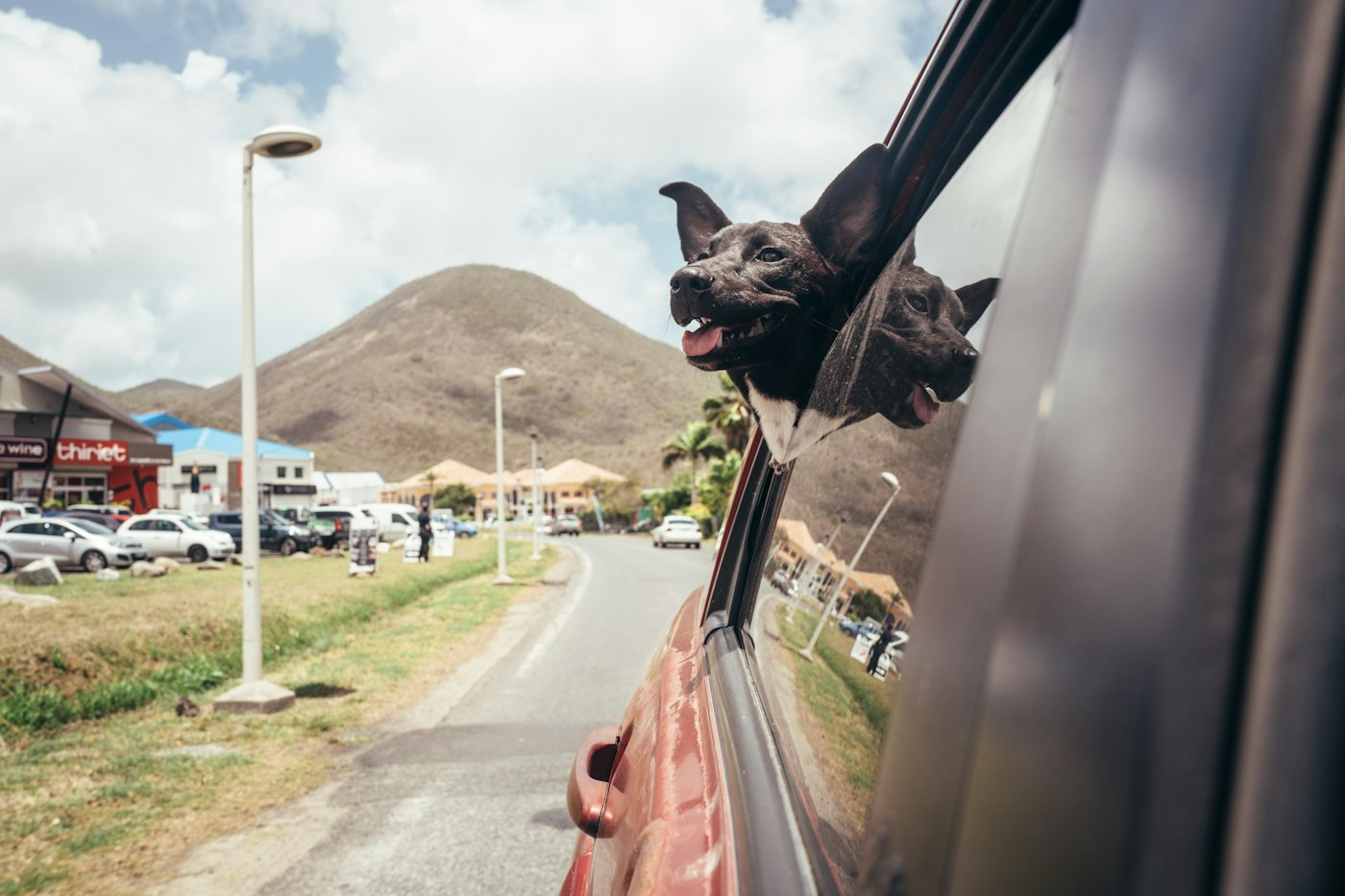
A road trip with your dog is more fun when you are not stopping at a store every few hours for something you forgot. Packing for a dog is not complicated, but it helps to think in categories. Use this list as a starting point and adjust it for your dog and your destination.
Food and Water
Bring enough of your dog’s regular food for the whole trip, plus a little extra in case of delays. Switching foods abruptly while traveling can upset a dog’s stomach, and you may not find the same brand on the road.
- Food in a sealed container, portioned by day if that helps
- Treats for training and rewards
- A gallon or more of water from home for the first leg, especially for dogs with sensitive stomachs
- Collapsible food and water bowls
- A spill-resistant travel bowl for the car
Health and Records
Keep copies of your dog’s vaccination records and any relevant health paperwork in a folder or on your phone. Some campgrounds, kennels, parks and hotels ask to see proof of rabies vaccination. If you are crossing state lines or international borders, rules can differ, so check the official requirements well ahead of time.
- Any medications your dog takes, in their original labeled containers
- Flea, tick and heartworm prevention if a dose falls during the trip
- A basic pet first-aid kit
- Your veterinarian’s phone number, plus the location of an emergency vet near your destination
Talk to your veterinarian before the trip if your dog has health conditions or gets carsick.
Comfort and Routine
Familiar items help dogs settle in unfamiliar places. A bed or blanket that smells like home can make a hotel room or rental feel safer.
- Bed, blanket or crate pad
- A favorite toy or two and a long-lasting chew your dog already handles safely
- A towel or two for muddy paws and wet coats
- Weather-appropriate gear, such as a light rain layer or cooling vest, depending on the forecast
Leashes, Collars and ID
New places are where dogs are most likely to get lost. Stops at rest areas, gas stations and trailheads are full of unfamiliar sights and smells, and a startled dog can slip away fast.
- Your dog’s everyday collar with a current ID tag
- A QR ID tag or tag with your cell phone number, which is more useful than a home phone when you are away
- A standard leash and a spare
- A well-fitted harness for walks, and a car restraint for driving
- A recent photo of your dog on your phone
Make sure your dog’s microchip registration is current too, and that the contact information on file is a number you will answer while traveling.
Cleanup Supplies
Being a considerate traveler keeps places dog-friendly. Pack plenty of waste bags, paper towels, an enzyme cleaner for accidents and a lint roller for hotel furniture. A seat cover or old sheet protects the car.
Before you leave, lay everything out and check it against the list. Then put the dog bag where you can reach it easily during the drive. The things you will need most often, like water, bowls, waste bags and the leash, should never be buried under the suitcases.
Packing the Car So the Dog Gear Actually Works
A good list only helps if the gear ends up where you can use it. Think of the car in zones, and pack the dog’s things the way you would pack a toddler’s: the essentials within arm’s reach, the backup supplies close behind, and the bulk items in the trunk.
Zone one: the grab bag
This is a small tote or backpack that rides on the floor behind the driver or on the front passenger floor. It holds the things you will use at nearly every stop:
- Leash, already untangled and clipped to the bag handle so it never goes missing
- A roll of waste bags and a few paper towels
- A collapsible bowl and a bottle of water
- A small pouch of treats for the “wait” cue at the car door
- A copy of the vaccination record and your vet’s number, either printed or saved for offline use on your phone
Zone two: the daily kit
A second bag holds one day’s food, the medications for that day, a towel, a chew and a toy. When you stop for the night, this is the only bag you need to carry in with the dog’s bed. Refill it each morning from the bulk supply so you are not unpacking the trunk in a hotel parking lot.
Zone three: the bulk supply
The rest of the food, the extra water jugs, the enzyme cleaner, the spare leash and the first-aid kit go in the trunk or cargo area. Keep the first-aid kit on top, not under the cooler, so you can reach it without emptying the car.
Common Packing Mistakes and Easy Fixes
- Bringing new gear on the trip. A brand-new harness, crate or bed can rub, pinch or simply feel strange. Try every new item at home for at least a week before you leave so you know it fits and your dog accepts it.
- Packing food in the original bag only. Open bags tip, spill and attract ants in a warm car. Decant into a sealed container and tuck the label or a photo of it in the bag so you can find the same formula if you run short.
- Forgetting the weather at the destination. A dog leaving a cool morning at home may arrive somewhere hot and humid, or the reverse. Check the forecast for every place you plan to stop overnight, and pack a cooling item or a warm layer accordingly.
- Letting the ID go stale. If you changed phone numbers or moved since the tag was made, the tag is not doing its job. Update it before you go, not after something happens.
- Overpacking toys. Two or three familiar favorites are enough. A pile of toys mostly ends up under the seats.
A Final Check the Night Before
Run through these questions before you load the car:
- Is there enough food for every day of the trip, plus at least two extra days?
- Are all medications packed, labeled and enough to last the full trip?
- Does the collar fit snugly with a current tag, and is the microchip contact information up to date?
- Have you looked up an emergency vet near each overnight stop?
- Is the car restraint installed and adjusted for your dog right now, not the way it was last year?
- Do you know whether each place you are staying has its own pet rules?
Questions Readers Ask
Should I feed my dog the morning we leave?
Many owners feed a smaller breakfast a few hours before departure rather than right before getting in the car, which can help dogs prone to queasiness. If your dog has a history of car sickness, ask your veterinarian what they recommend for travel days.
Is a crate or a seat-belt harness better in the car?
Both can work. The best choice depends on your vehicle, your dog’s size and how your dog rides. What matters most is that the dog is restrained, cannot reach the driver and cannot become a projectile in a sudden stop.
How do I keep the car from smelling like wet dog?
Pack an extra towel just for drying, use a washable seat cover, and crack the windows for a few minutes at each stop. A quick wipe of paws before your dog gets back in the car goes a long way.












