

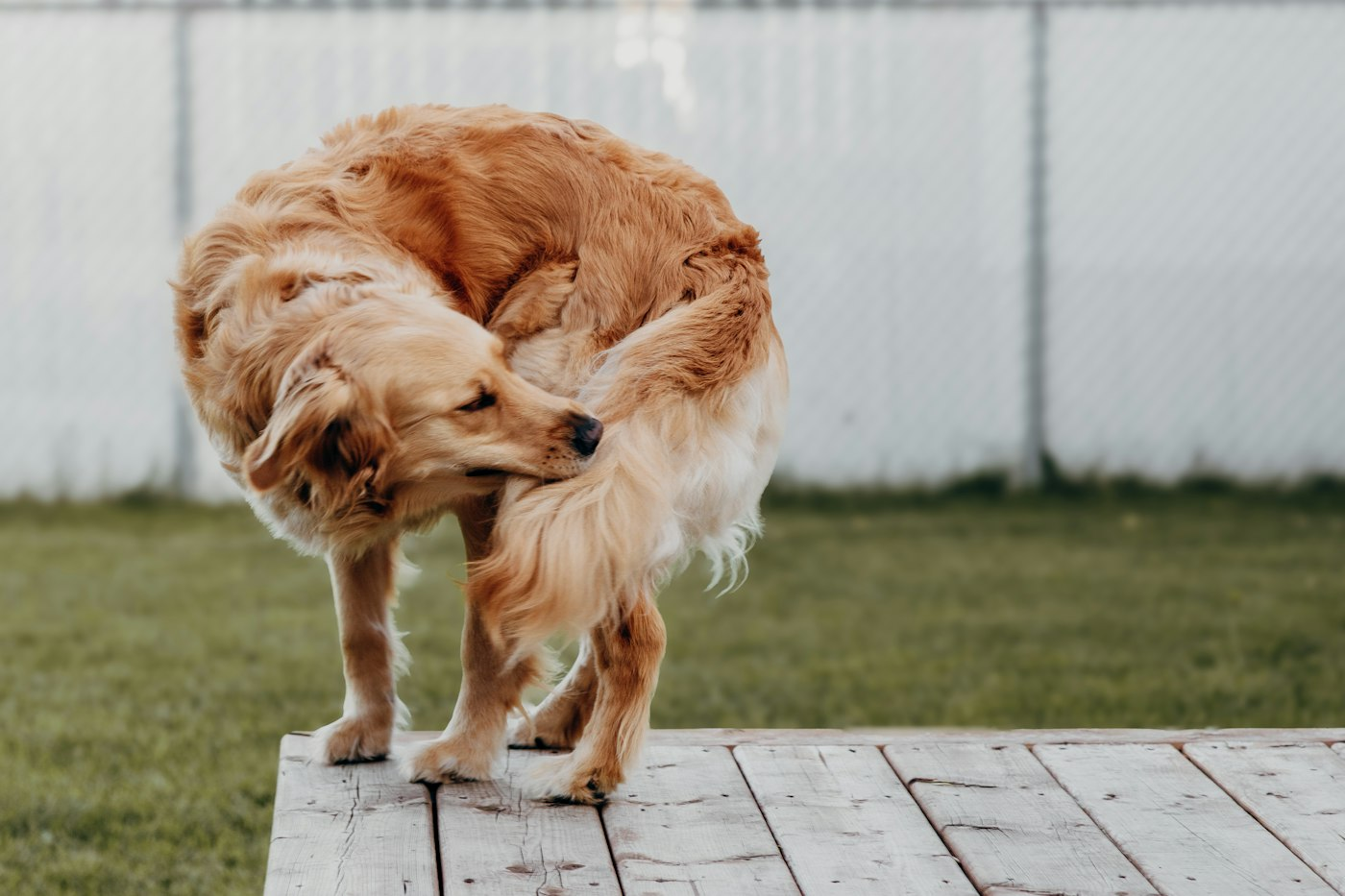
When trees and grasses start releasing pollen, many people reach for tissues. Dogs can be affected by environmental allergens as well, but their symptoms often look different. Instead of sneezing, an allergic dog is more likely to scratch, lick and chew. Knowing what to look for helps you get your dog to the veterinarian sooner and avoid weeks of discomfort.
How allergies tend to show up in dogs
Environmental allergies in dogs, often called atopic dermatitis or atopy, commonly affect the skin. Signs can include:
- Licking or chewing the paws, sometimes leaving reddish-brown saliva staining on light fur
- Scratching at the face, ears, armpits or belly
- Rubbing the face on carpets or furniture
- Red, inflamed skin or a rash
- Recurring ear infections, head shaking or ear odor
- Hair loss, scabs or darkened, thickened skin from long-term scratching
- Watery eyes or sneezing, though these are less common
Constant scratching and licking can break the skin and lead to secondary bacterial or yeast infections, which make itching worse.
Seasonal or something else?
If your dog’s itchiness seems to flare at the same time each year, a seasonal environmental allergy is one possibility. But many other conditions cause similar signs. Fleas are a very common cause of itching, and some dogs are allergic to flea saliva. Food allergies, mites, skin infections and contact irritation from things like lawn treatments or cleaning products can look similar too.
Because the causes overlap, it is important not to guess. Your veterinarian can examine your dog’s skin and ears, check for parasites, and recommend tests or treatment trials to narrow down the cause.
Questions to ask your veterinarian
- Could this be an environmental allergy, a flea allergy, a food issue or something else?
- Is there an infection that needs treatment first?
- What treatment options make sense for my dog?
- Are there bathing routines or products you recommend?
- Is my flea prevention adequate?
- Should we consider a referral to a veterinary dermatologist?
Do not give your dog antihistamines or other human medications without your veterinarian’s guidance. Some products contain added ingredients that can be harmful to dogs, and dosing differs from what is safe for people.
Small habits that may help
While you work with your vet, a few everyday steps can reduce the allergen load your dog carries indoors. Wiping your dog’s paws and belly after walks can remove pollen from the coat. Washing your dog’s bedding regularly, vacuuming often and keeping windows closed on high-pollen days may help some dogs. Your veterinarian may also recommend regular baths with a specific shampoo to soothe the skin and rinse away allergens.
A long-term condition for many dogs
For many dogs, environmental allergies are managed rather than cured. Symptoms may come back each spring or become year-round over time. The goal is to keep your dog comfortable, protect the skin and catch flare-ups early. Keeping notes on when symptoms appear, what the weather was like and what your dog was doing can help your veterinarian spot patterns and adjust the plan.
Keeping an Itch Diary
A simple log can make a vet visit more productive. Patterns that are hard to remember from week to week often become clear on paper. Each day, or each time you notice a flare, jot down a few notes.
- What you saw: licking paws, scratching ears, rubbing the face, chewing the flank
- Where on the body: feet, ears, armpits, belly, rear end
- How intense: a quick scratch now and then, or constant and keeping your dog awake
- Weather and setting: windy and dry, after rain, after a walk in a park, after time on a freshly mowed lawn
- Changes at home: a new food or treat, new bedding, a new cleaning product or detergent
- Prevention dates: when flea and tick products were given
A few photos of red skin or paw staining, taken at the worst moments, can also help, since symptoms may look milder on the day of the appointment.
Preparing for the Vet Visit
- Bring your notes and photos. They give your veterinarian a fuller picture.
- Bring a list of everything your dog eats. Include food, treats, chews, supplements and table scraps.
- Bring the names of products you use. Shampoos, wipes, flea control and anything you have tried on the skin.
- Avoid bathing right before the visit unless your vet says otherwise, so they can see the skin and coat as they normally are.
- Ask about the plan and the timeline. Some diagnostic steps, such as food trials, take weeks to show results. Knowing what to expect helps you stick with it.
Common Mistakes
- Switching foods repeatedly on your own. Frequent changes make it harder to identify a food problem. If food is a concern, your veterinarian can guide a structured trial.
- Stopping a treatment early. If your vet prescribes something, follow the full course, even if your dog seems better.
- Overlooking the ears. Ear infections often travel with skin allergies and can be very uncomfortable. Head shaking and odor are worth mentioning.
- Treating it as cosmetic. Constant itching affects sleep, mood and quality of life. It is worth taking seriously.
Questions Readers Ask
Can a dog develop allergies later in life?
Signs can appear at different ages. If your dog’s skin or ears change, mention it to your veterinarian rather than assuming it is just the season.
Will a raincoat or shirt help keep pollen off?
Some owners find light clothing reduces how much pollen settles on the coat during walks. It is not a treatment, and it should fit comfortably without rubbing irritated skin. Ask your vet whether it makes sense for your dog.
Are allergy tests worth it?
Testing can help in some cases, particularly when considering certain long-term treatments. Your veterinarian or a veterinary dermatologist can explain the options.
Comfort Measures to Discuss With Your Vet
While you work toward a diagnosis, ask your veterinarian which everyday comfort steps are appropriate. Some dogs benefit from cool rinses for itchy paws, soft bedding that is washed often, and short, frequent walks on high-pollen days rather than long ones. A cone or soft recovery collar may be suggested if your dog is chewing a spot raw. Simple changes like these are not a cure, but they can help your dog feel better while the plan takes effect.
This article is for general education. Please talk with your veterinarian about your own dog’s skin, ears and treatment.












