

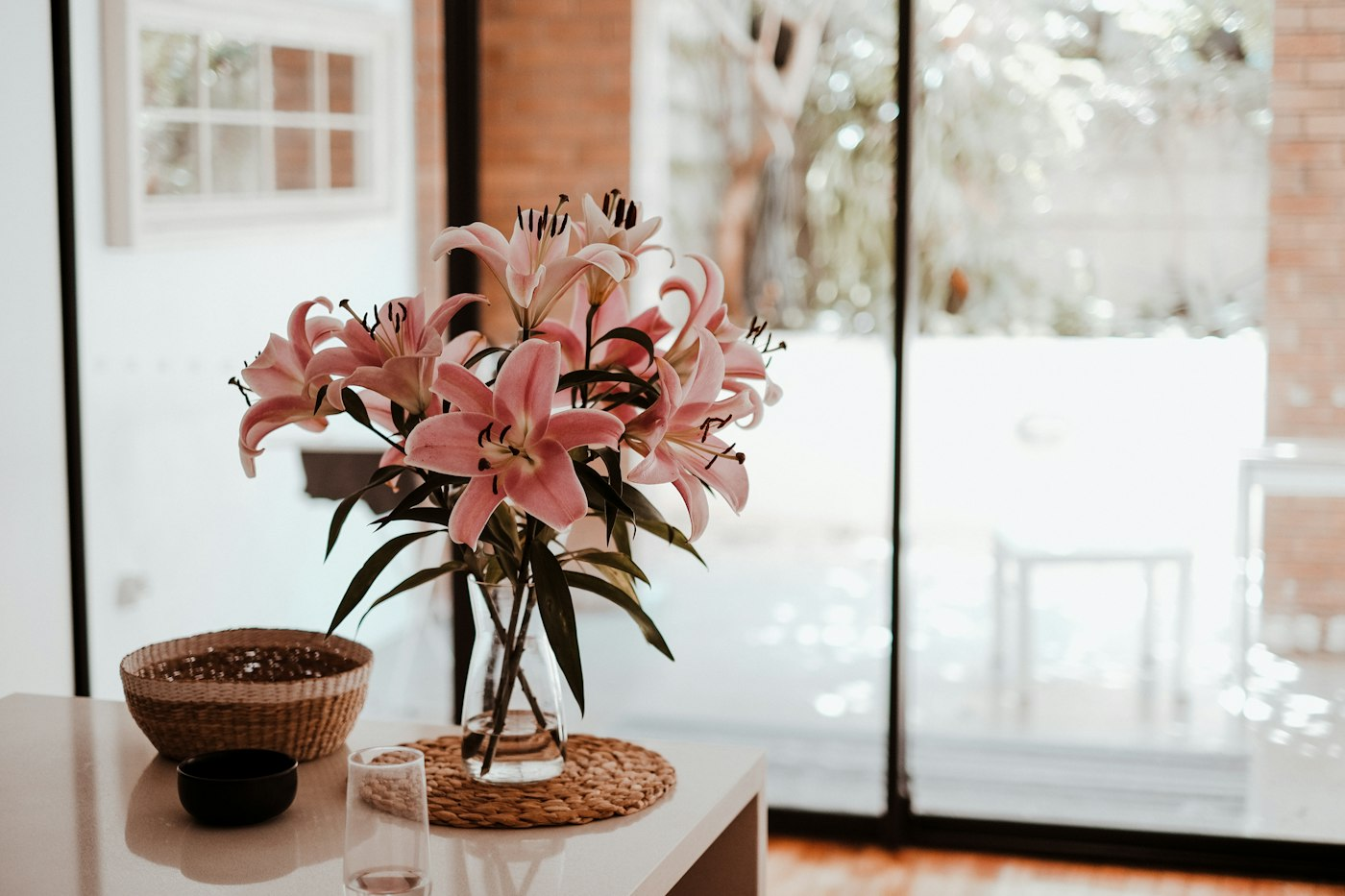
Chocolate gets most of the attention around Valentine’s Day, but it is not the only hazard that arrives in February. Flowers, potted plants, gift baskets and wrapping materials can also cause problems for dogs who like to investigate. Many dogs explore with their mouths, so it is worth thinking about where gifts end up once they come through the door.
Flowers and bouquets
Some flowers and plants commonly used in arrangements can cause illness in dogs, ranging from mild stomach upset to more serious effects, depending on the plant and the amount eaten. Because bouquets often mix many varieties, it can be hard to know exactly what is in one. A few general points:
- Roses are not generally considered toxic, but thorns can injure mouths and paws
- Some popular filler flowers and greens can cause stomach upset
- Bulb flowers such as tulips and daffodils can be more of a concern, especially the bulbs
- Lilies are especially dangerous to cats, so households with both pets should be extra careful
If you are unsure whether a plant is safe, check with your veterinarian or a reputable animal poison control resource before bringing it home.
The vase and the extras
Flower water can contain plant material and floral preservatives, and a tipped vase brings broken glass and water on the floor. Place arrangements where your dog cannot reach or knock them over. Small packets of flower food that come with bouquets should go straight into the trash. Decorative items like marbles, pebbles and wire in arrangements are choking or swallowing hazards.
Gift wrap and packaging
Ribbon, string, curling ribbon and twine are a particular concern. If a dog swallows a long piece of string-like material, it can cause a serious intestinal problem. Tissue paper, cellophane, tape and small plastic pieces can also cause trouble. Unwrap gifts away from your dog, gather materials right away and put them in a lidded trash can.
Other gift hazards
Valentine’s gifts sometimes include scented candles, essential oils, lotions and bath products. Some essential oils can be harmful to pets, and lit candles can be knocked over or singe a curious nose or wagging tail. Keep candles out of reach, never leave them burning unattended and store personal care products away from your dog. Gift baskets often hide food items such as chocolate, nuts, grapes or sugar-free candy containing xylitol, so unpack them on a counter, not the floor.
If your dog gets into something
Signs of trouble can include vomiting, diarrhea, drooling, pawing at the mouth, loss of appetite, lethargy or a painful belly. If you think your dog has eaten a plant, swallowed ribbon or string, or gotten into a gift basket, call your veterinarian or an animal poison control service right away. If you see string hanging from your dog’s mouth or rear, do not pull it, and seek veterinary help. This is general information, and your vet can advise on your specific situation. With gifts placed thoughtfully, everyone can enjoy the flowers.
Placing Gifts With Your Dog in Mind
Where you put flowers and gifts matters as much as what they are. Before setting an arrangement down, look at the spot from your dog’s point of view.
- Height. A coffee table, end table or low windowsill is within easy reach of most dogs. A tall shelf, a mantel your dog cannot reach or a room your dog does not enter is safer.
- Stability. A wagging tail or an excited jump can knock over a vase on a narrow stand. Choose a wide, heavy base and a sturdy surface.
- Fallen petals and leaves. Even if the bouquet is out of reach, dropped petals and leaves end up on the floor. Check below the arrangement daily.
- Cords and candles. If you set flowers near a candle or a lamp, make sure cords are tucked away and flames are well out of reach.
- Doors and drafts. Arrangements near a frequently opened door can be bumped by people and dogs coming and going.
A Safe Unwrapping Routine
Opening gifts can turn the floor into a mess of tempting materials in seconds. A simple routine keeps things under control.
- Give your dog something else to do. A long-lasting chew or food puzzle in another room keeps your dog busy while you unwrap.
- Unwrap at a table, not on the floor. It is easier to contain paper, ribbon and packaging on a raised surface.
- Keep a bag or bin right beside you. Drop ribbon, string and tape in as you go rather than piling it up.
- Check for small parts. Look for twist ties, plastic tags, packets and silica gel sachets before letting your dog back in.
- Do a final floor sweep. Run your hand or a broom along the floor and under furniture for any pieces that escaped.
Thinking Ahead About Plants
If you enjoy giving or receiving potted plants, a little research before the plant comes home helps. Look up the plant’s name, including its scientific name if you can find it, using a reputable animal poison control resource or by asking your veterinarian. Common names can be confusing, since different plants sometimes share the same name. Keep the plant tag in case you ever need to tell a vet exactly what your dog may have chewed.
Some households choose dried arrangements, artificial flowers or pet-friendly plants instead. Even with those, watch for small decorative pieces, wires and glue that could be a problem if chewed.
Questions Readers Ask
My dog chewed a leaf from a bouquet. What should I do?
Try to identify the plant and remove the rest of the arrangement from your dog’s reach. Then call your veterinarian or an animal poison control service. They can tell you whether the plant is a concern and what to watch for.
Is curling ribbon really that risky?
String-like materials can be dangerous if swallowed because they can cause problems in the intestines. Dogs who like to chew are best kept away from ribbon altogether.
Can I use essential oil diffusers around my dog?
Some essential oils can be harmful to pets, and dogs are sensitive to strong scents. Ask your veterinarian before using diffusers or scented products around your dog, and keep oils stored securely.
Are wax melts and candles a problem if my dog does not touch them?
The main concerns are burns, knocked-over candles and dogs eating wax. Keep them out of reach and never leave a flame unattended.












