

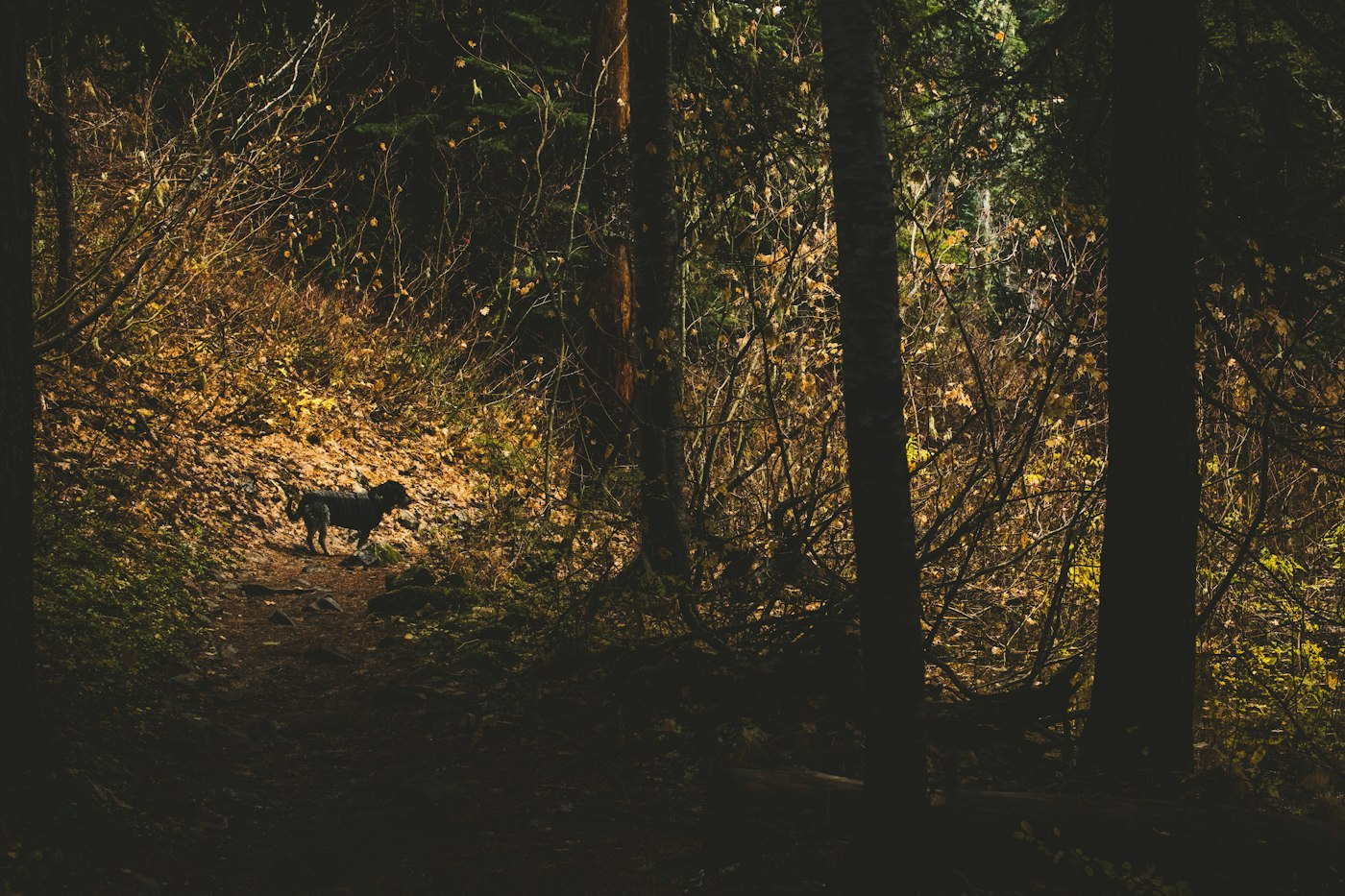
Spring is when many dog owners start eyeing the trails. A good hike can be one of the best experiences you share with your dog: new smells, fresh air and plenty of exercise. A first hike, though, is not the time for an ambitious summit. Planning a short, manageable outing sets your dog up to enjoy the trail and makes the next hike easier.
Check with your veterinarian first
Before you start hiking, especially with a puppy, a senior dog or a dog with health conditions, ask your veterinarian whether your dog is ready. Young puppies’ joints are still developing, and many veterinarians recommend building up activity gradually. Dogs who are overweight, short-nosed breeds that struggle in heat, and dogs with joint or heart issues may need special limits. It is also a good time to ask about tick, flea and other parasite prevention for the areas you plan to visit.
Choose the right trail
For a first outing, look for a trail that is:
- Short and fairly flat, so you can turn around easily.
- Dog-friendly. Rules vary widely. Some parks allow leashed dogs on trails, others restrict them to certain areas, and some do not allow dogs at all. Check the official website of the park or land agency before you go. The National Park Service, for example, lists pet rules at nps.gov.
- Not too crowded, so your dog can get used to the trail without constant passing.
- Shaded, with some water nearby or a plan to carry plenty.
Spring trails can be muddy, slippery or flooded from snowmelt and rain. Check recent trail conditions if they are posted, and avoid trails closed for wet conditions, since walking on them can damage the trail.
Set a sensible distance and pace
Think about what your dog does on a typical day. If your dog usually walks thirty minutes around the neighborhood, a first hike of similar length on easy terrain is a good start. Hiking is harder than sidewalk walking, with uneven ground, hills and more stimulation. Plan to turn around before your dog seems tired, since you still have to walk back. Build up distance gradually over weeks.
Read your dog along the way
Watch for signs that your dog needs a break or is done for the day:
- Lagging behind or lying down
- Heavy panting that does not settle with rest
- Limping, licking paws or reluctance to walk
- Seeking shade or water constantly
Take water breaks often, especially on warm days. Spring weather can change quickly, and an afternoon can be much warmer than the morning. If your dog seems overheated, weak or confused, stop, move to shade, offer water and contact a veterinarian.
After the hike
At home, check your dog thoroughly for ticks, burrs and cuts, paying attention to paws, ears, armpits and the belly. Offer fresh water and a quiet place to rest. Some stiffness the next day can mean the outing was a bit much; scale back next time. If limping or soreness lasts more than a day or so, talk to your veterinarian. A short, positive first hike builds the foundation for many more.












