

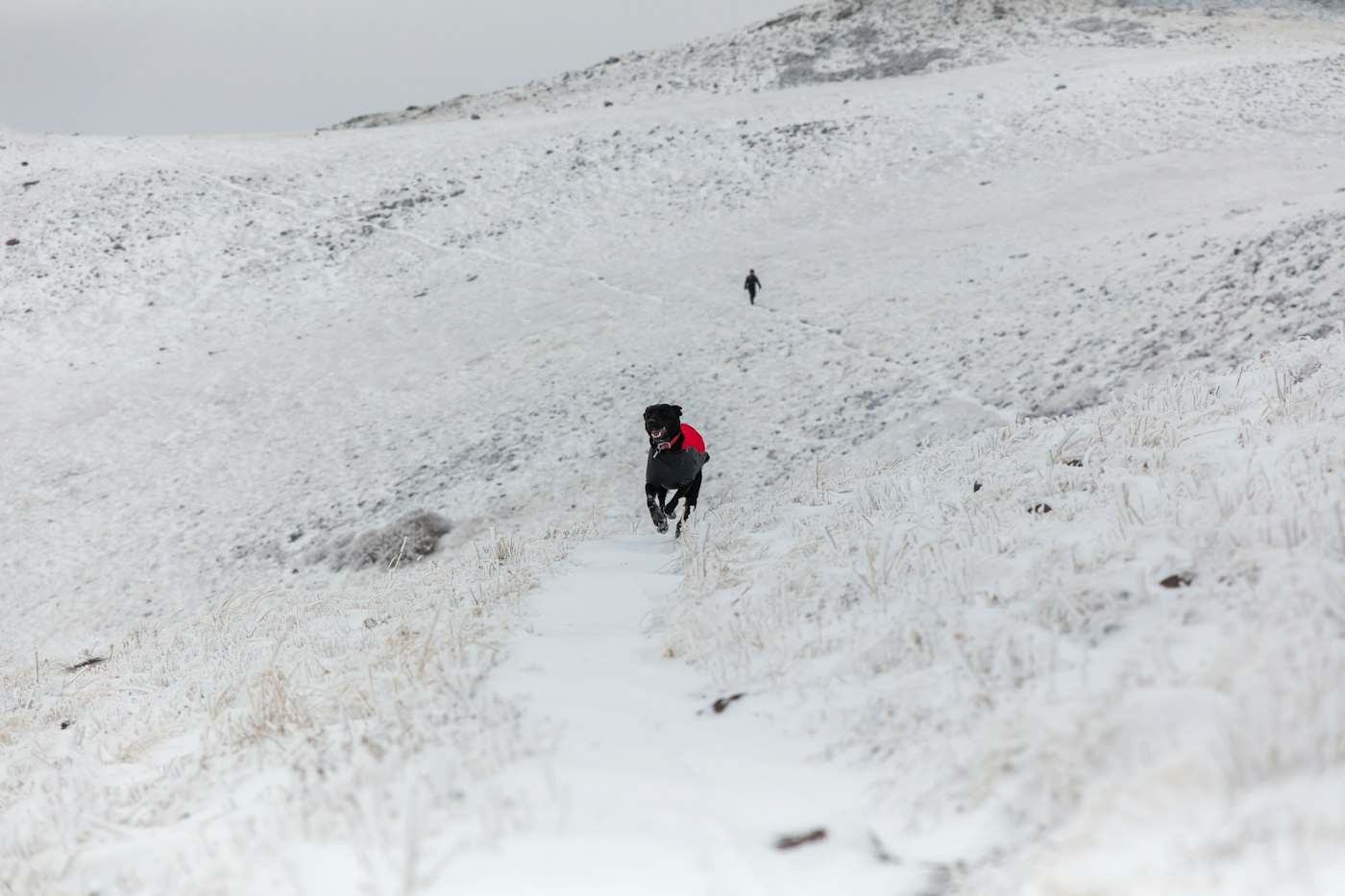
Winter changes the balance between what dogs eat and how much they move. Walks get shorter, play dates are fewer and holiday treats often linger into January. For many indoor dogs, that combination leads to gradual weight gain. Keeping an eye on your dog’s body condition now can help prevent problems that are harder to fix later. As always, your veterinarian is the best guide for your dog’s ideal weight and diet.
Why weight matters
Extra weight puts additional stress on a dog’s joints and can make arthritis and mobility problems worse. Excess weight has also been associated with a range of health issues in dogs. Even a few extra pounds can matter on a small dog. On the other hand, some dogs, such as working dogs or dogs who spend a lot of time outdoors, may need more calories in cold weather. That is why there is no single winter feeding rule.
Checking body condition at home
Many veterinarians use a body condition score, which looks at shape and feel rather than just the number on the scale. Some general things to notice:
- You should be able to feel your dog’s ribs with light pressure, without a thick layer of fat
- From above, many dogs have a visible waist behind the ribs
- From the side, the belly usually tucks up behind the chest
Fluffy coats, including doodle coats, can hide changes, so use your hands rather than your eyes. Ask your vet to show you how to assess your dog’s body condition and what is ideal for their breed and build.
Managing food
Measure meals with a measuring cup or kitchen scale rather than estimating. Count treats as part of the day’s food, and choose small treats or use pieces of your dog’s regular kibble for training. If you use food puzzles for indoor enrichment, take that food from your dog’s daily amount. Do not cut back food dramatically or switch diets without talking to your veterinarian, who can recommend the right amount and type of food.
Keeping active indoors and out
When long walks are not practical, look for other ways to keep your dog moving and engaged. Several short walks, indoor fetch in a hallway with good traction, gentle stair work for healthy dogs, training sessions and scent games all help. Activity should match your dog’s age and health. Puppies, seniors and dogs with joint or heart problems may need specific guidance from your vet.
When to call the vet
Gradual winter weight gain is common, but unexplained changes deserve attention. Talk to your veterinarian if your dog gains or loses weight without an obvious reason, has a sudden change in appetite or thirst, seems unusually tired or has trouble moving. Some medical conditions can affect weight and energy. Regular weigh-ins at your vet’s office can help you track trends over time. A steady weight through winter means your dog will be ready for longer walks when spring arrives.












