

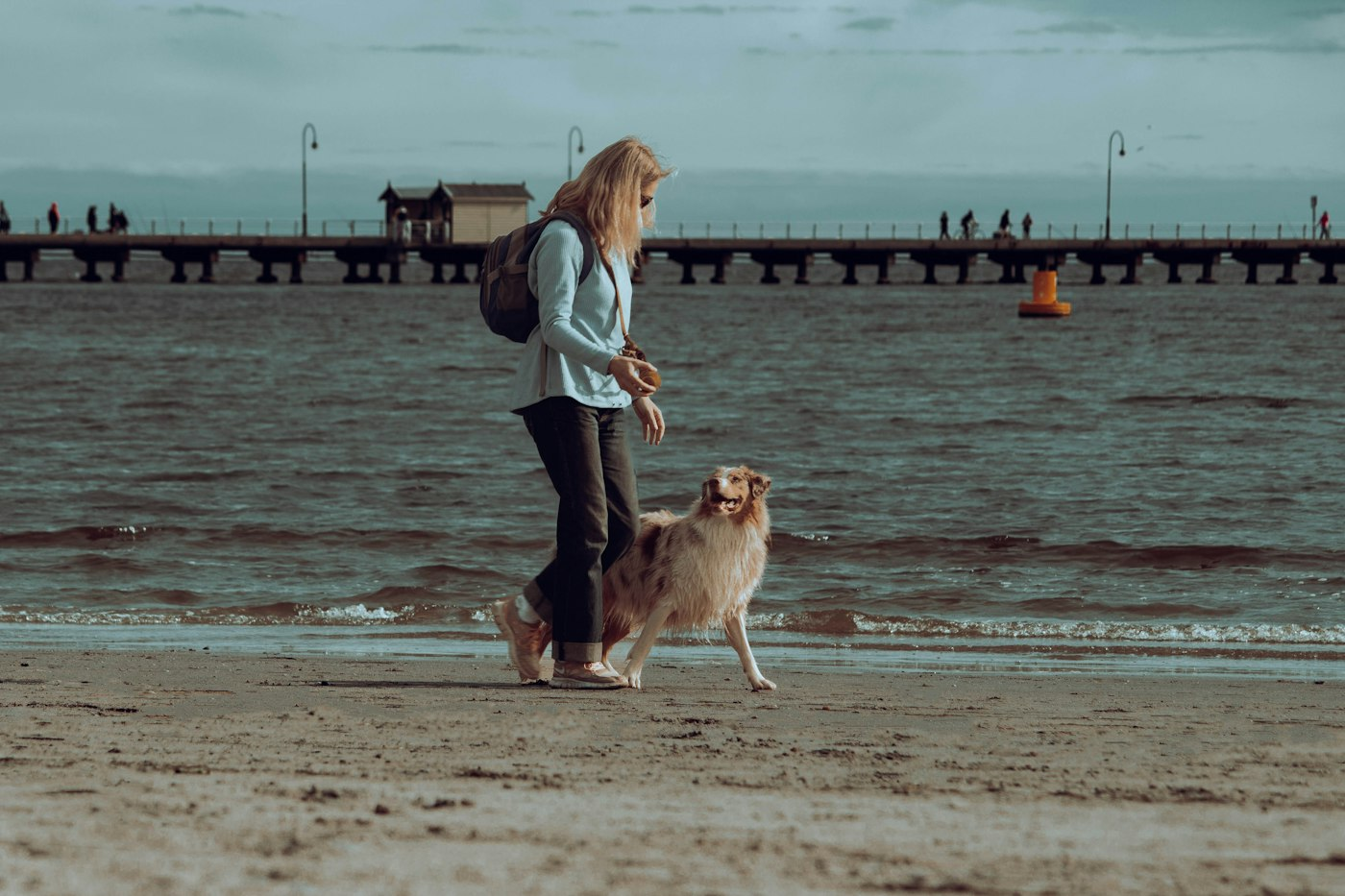
For many dogs, a beach day is pure happiness: running in the sand, splashing in the shallows, digging for no reason at all. As the weather warms, more families head to the shore with their dogs. Beach rules, though, vary a great deal. Some beaches welcome dogs year-round, some only in certain seasons or hours and some not at all. Planning ahead keeps the day fun and keeps dog-friendly beaches open.
Check Local Rules First
Before you go, look up the rules on the official website for the town, county, state park or national park that manages the beach. Common rules include:
- Seasonal restrictions, such as no dogs during summer months or busy hours
- Leash requirements, sometimes with designated off-leash areas
- Areas closed to protect nesting birds or other wildlife
- Requirements to carry proof of vaccination or a license
- Rules about how many dogs one person can bring
Rules can change from year to year, and signs at the beach entrance are the final word. If a beach is posted as closed to dogs, respect it. Some closures protect sensitive wildlife.
What to Pack
The beach is bright, hot and sandy, so a little preparation goes a long way.
- Plenty of fresh drinking water and a collapsible bowl
- Shade, such as an umbrella or canopy
- Towels, and a sheet or blanket for the car
- Waste bags
- A standard leash, plus a long line if your dog is still learning recall
- A dog life jacket if your dog will swim or wade into deeper water
- A collar with current ID, ideally a tag that holds up to water
Ask your veterinarian whether sun protection is a good idea for your dog, especially if they have a thin or light coat or pink skin on the nose.
Safety at the Shore
Dogs can overheat quickly on the beach. Sand can become very hot underfoot, especially midday. Watch for heavy panting, drooling, weakness or stumbling, and move your dog to shade with water right away if you see these signs. Call your veterinarian if you are concerned.
Discourage your dog from drinking seawater, which can make them sick. Offer fresh water often. Keep an eye out for hazards in the sand, such as fishing hooks, broken shells, dead fish and other things a curious dog might eat.
Waves and currents can be stronger than they look. Even strong swimmers can get tired. Stay close, keep swims short and never let your dog swim far out on their own.
Beach Etiquette
Not everyone at the beach loves dogs, and some people are afraid of them. Keep your dog under control and away from picnics and sunbathers. Ask before letting your dog greet other dogs. Pick up after your dog immediately, including on the sand, where waste can be easy to miss.
After the Beach
Rinse your dog with fresh water to remove salt and sand from their coat and paws, and dry their ears well. Check paws for cuts or hot spots. A good beach day often ends with a very sleepy dog, which is one of the best signs of all.












