

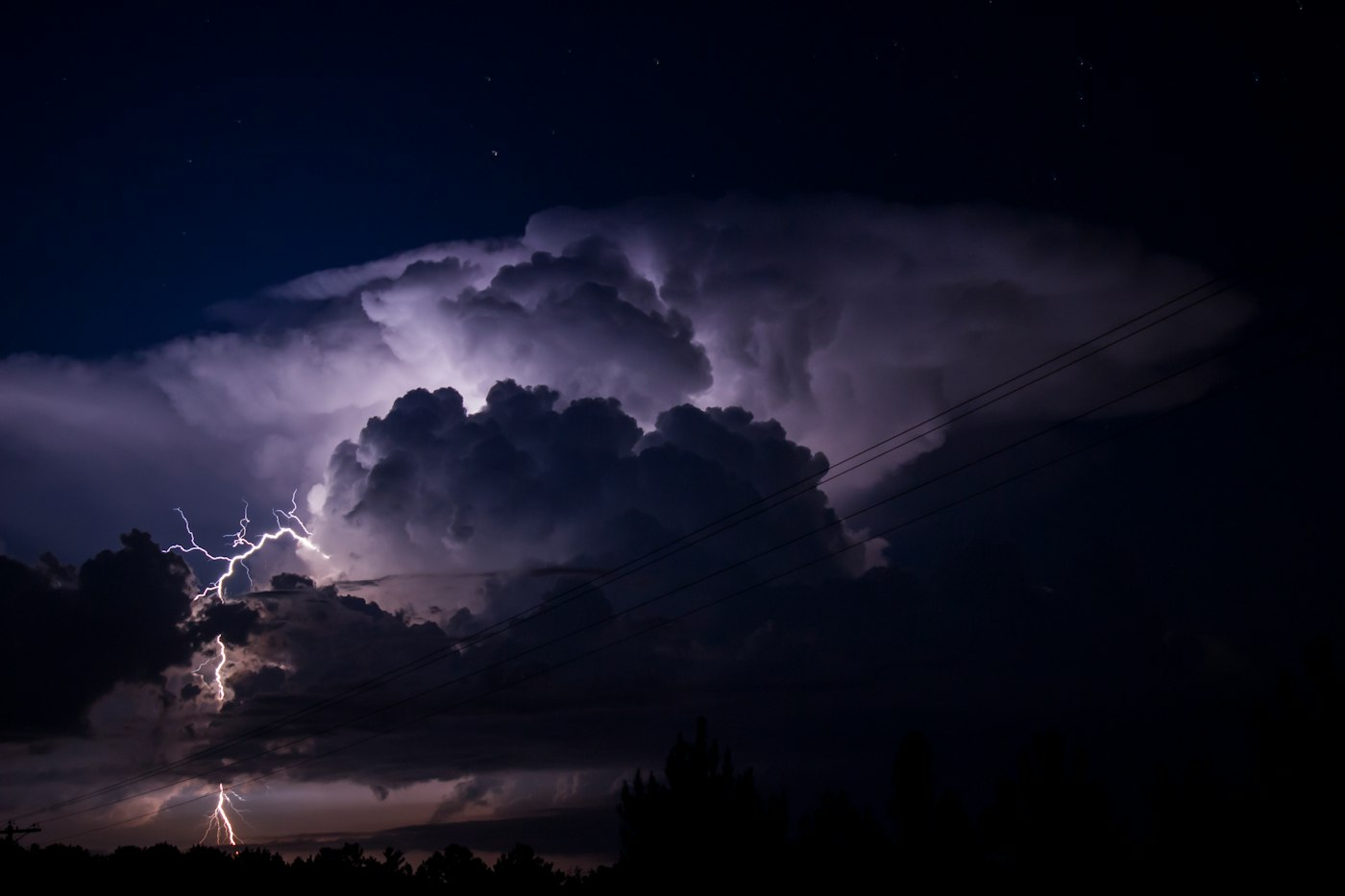
Spring brings more than flowers. In many parts of the country, it also brings thunderstorms. For some dogs, a storm is no big deal. For others, the first rumble of thunder brings panting, pacing, trembling and hiding. Storm anxiety can be distressing for dogs and owners alike. Understanding it, and planning ahead, can help your dog feel safer.
Signs of storm anxiety
Dogs show fear in different ways. Common signs include:
- Panting, drooling or trembling
- Pacing, restlessness or clinging to you
- Hiding in closets, bathrooms or under furniture
- Whining, barking or howling
- Trying to escape, sometimes by digging or chewing at doors and windows
- House soiling
Some dogs start reacting before a storm arrives. They may sense changes in air pressure, wind, static electricity or the smell of rain. If your dog seems anxious on gray, windy days, the storm itself may only be part of the trigger.
Create a safe space
Many dogs look for a small, enclosed spot during storms. You can help by setting one up ahead of time. An interior room, a closet, a bathroom or a covered crate with the door open can all work. Add a comfortable bed, a favorite toy and something that smells like you. Closing curtains can reduce the flashes of lightning, and playing calm music, a fan or white noise may help muffle thunder.
Let your dog choose whether to use the space. Do not force them in or close them in if they are panicking, since some dogs injure themselves trying to escape confinement during a storm.
Stay calm and comforting
It is fine to comfort your frightened dog. Calm, gentle reassurance will not make the fear worse. Stay relaxed yourself, speak in a soothing voice, and offer gentle petting if your dog finds it comforting. Some dogs like to settle near their owner; others prefer to be left alone in their safe spot. Follow your dog’s lead. If your dog is calm enough to take treats or play a simple game, that can help create positive associations with storm sounds.
Avoid punishing your dog for fearful behavior, including accidents or destruction. Punishment adds to the fear.
Plan ahead for storm season
- Keep an eye on the forecast and take your dog out for a bathroom break before a storm arrives.
- Make sure your dog wears ID, including a QR tag if you use one, in case of a panicked escape.
- Close windows and secure doors and gates.
- Some dogs find snug-fitting wraps or vests comforting; results vary from dog to dog.
When to talk to your veterinarian
If your dog’s storm anxiety is severe, getting worse, or leading to injury or destruction, talk to your veterinarian. They can rule out medical problems and discuss options, which may include behavior modification plans, a referral to a veterinary behaviorist and, for some dogs, medication. Do not give your dog any human medications or supplements without your vet’s advice. With a plan in place, many dogs can get through storm season with much less distress.












