

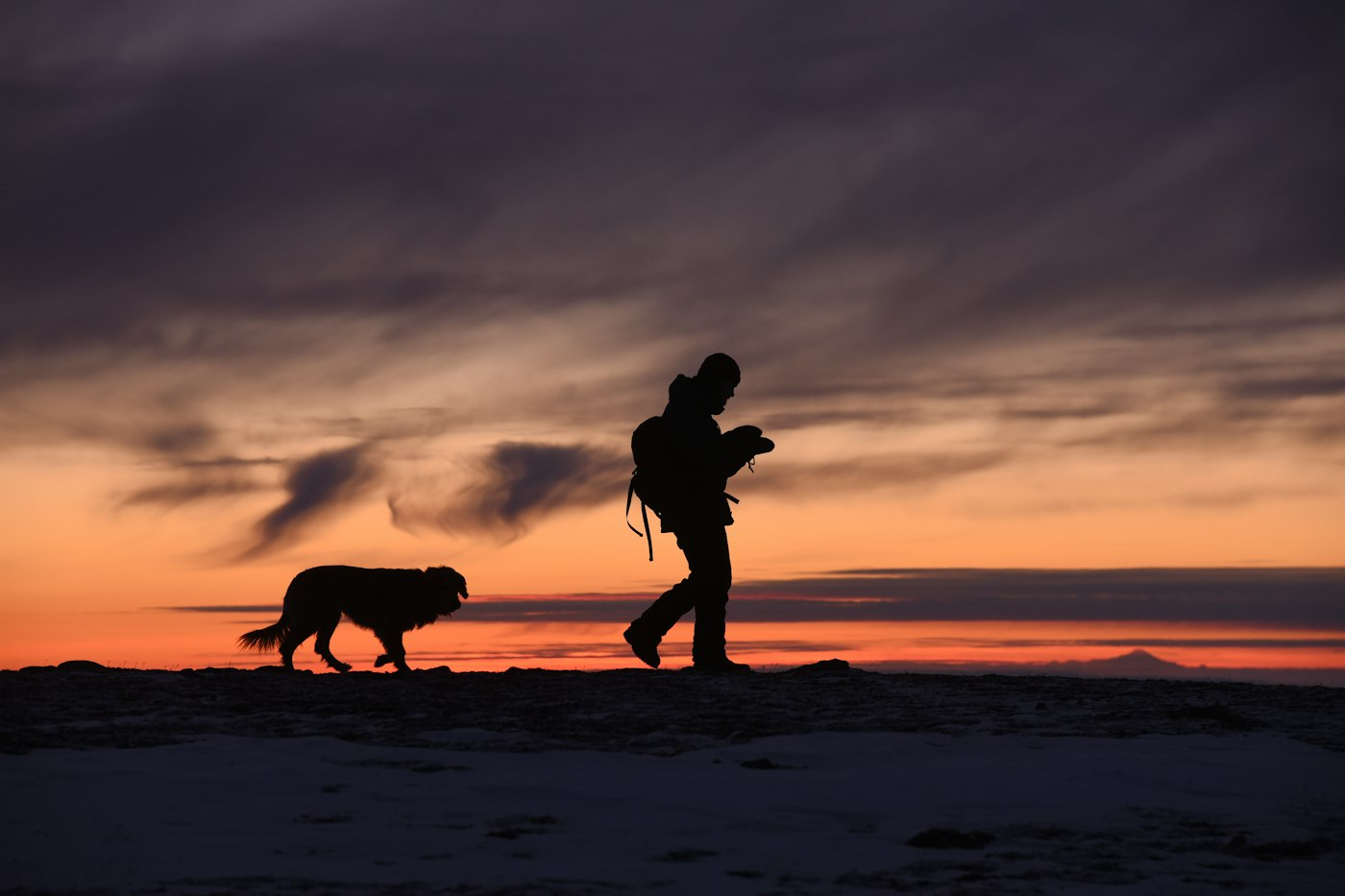
Dogs are creatures of habit. They tend to feel most settled when meals, walks, play and rest happen at roughly the same times each day. Winter can disrupt all of that. Darkness comes early, storms cancel walks and holiday schedules leave everyone a little off balance. Rebuilding a steady routine in January can help your dog feel calmer and better behaved through the rest of the season.
Why routine matters to dogs
Predictability helps many dogs relax. When a dog knows that a walk follows breakfast and dinner comes after the evening walk, there is less reason to pace, whine or pester. Routine also helps with house training, because regular meals tend to lead to regular bathroom breaks. For anxious dogs, a dependable day can reduce stress. Changes in routine are a common trigger for behavior problems, so steadiness is worth the effort.
Anchor the day with meals and bathroom breaks
Meals are the easiest anchor to keep consistent, even when the weather is not. Feed at about the same times every day. Plan bathroom breaks shortly after meals, after naps and before bed. Even on stormy days, a short trip outside at the usual time keeps the rhythm going.
Adjusting walks for darkness and weather
- If evening walks are now in the dark, add reflective gear and a light for you and your dog
- Consider moving a longer walk to midday on weekends to take advantage of daylight
- On very cold days, split one long walk into two or three shorter ones at the usual times
- Have an indoor backup plan, such as a training session or scent game, for days when walks must be cut short
The goal is to keep the timing familiar even when the activity changes.
Protect sleep and quiet time
Adult dogs sleep a good part of the day, and puppies and seniors often sleep even more. Short winter days can tempt us to keep the household busy indoors, which may mean fewer naps for the dog. Give your dog a cozy, draft-free resting place, and protect some quiet time during the day. A consistent bedtime routine, such as a last bathroom break, a short calm activity and lights out, can help everyone settle.
Watch for changes
Some dogs become more restless, clingy or mischievous in winter, often because they are getting less exercise and stimulation. Adding mental enrichment can help. However, changes such as sleeping much more than usual, losing interest in food or play, house-training accidents in a previously trained dog, or new stiffness can also signal health problems. Talk to your veterinarian if you notice a change that does not seem explained by the season. A steady winter routine gives your dog structure and gives you a clearer picture of what is normal for them.












