

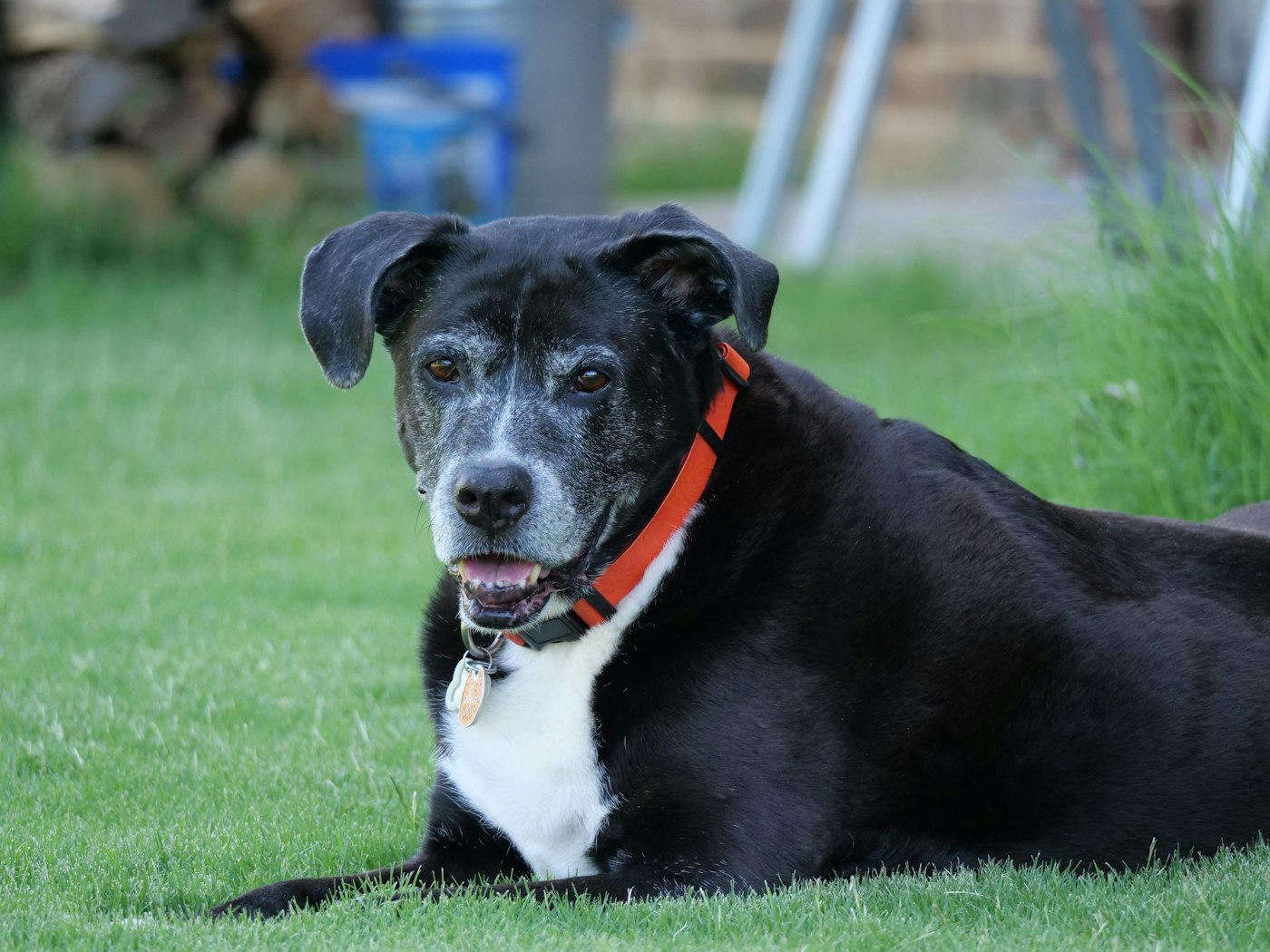
Older dogs bring a special kind of companionship, and they often need a little extra care when the weather turns cold. Many seniors have less muscle and fat to insulate them, stiffer joints and less ability to regulate their body temperature. Icy footing adds the risk of falls. Small changes at home and on walks can make winter more comfortable for an aging dog.
Why seniors feel the cold
As dogs age, their bodies change. Some lose muscle mass, which affects both warmth and strength. Coats may become thinner. Many older dogs develop arthritis, and owners often notice that stiffness seems worse in cold, damp weather. Some medical conditions more common in older dogs can also affect how they handle temperature. Talk to your veterinarian about your senior’s specific needs, including how much cold exposure is appropriate.
Walks for older dogs
- Take shorter, more frequent walks instead of one long outing
- Walk during the warmest part of the day when possible
- Choose routes with good footing and avoid icy patches
- Let your dog set the pace and stop when they seem tired
- Consider a well-fitted jacket for warmth
A harness can provide a more secure way to help steady an older dog than a collar. Some owners use a support harness with a handle to help their senior on stairs or in the car. Booties may give some dogs better traction, though not all seniors adjust to them.
Footing indoors
Slippery floors can be hard for older dogs, especially those with weak hind legs or arthritis. Rugs and runners with non-slip backing on hardwood and tile can help. Keep the nails trimmed and fur between the paw pads tidy, since long nails and fur can reduce traction. Ramps or steps can help dogs get on furniture or into the car without jumping. Wipe up melting snow and water near doors promptly so floors stay dry.
A warm place to rest
A supportive bed raised slightly off the floor and placed away from drafts, doors and cold windows can help a senior rest comfortably. Many older dogs appreciate orthopedic or memory foam beds. Avoid placing beds too close to heaters or fireplaces, where a dog that is less mobile could get too hot or be burned. If you use any warming product, choose one designed for pets and follow the instructions carefully.
Keep up with vet visits
Many veterinarians recommend more frequent checkups for senior dogs. Winter is a good time to discuss joint comfort, weight, diet and any changes you have noticed. Contact your vet if your dog shows new or worsening stiffness, reluctance to walk or use stairs, limping, changes in appetite or thirst, confusion or other changes in behavior. Pain and mobility problems in older dogs can often be managed, and your vet can help create a plan. With some thoughtful adjustments, senior dogs can enjoy the winter season safely and comfortably.












