

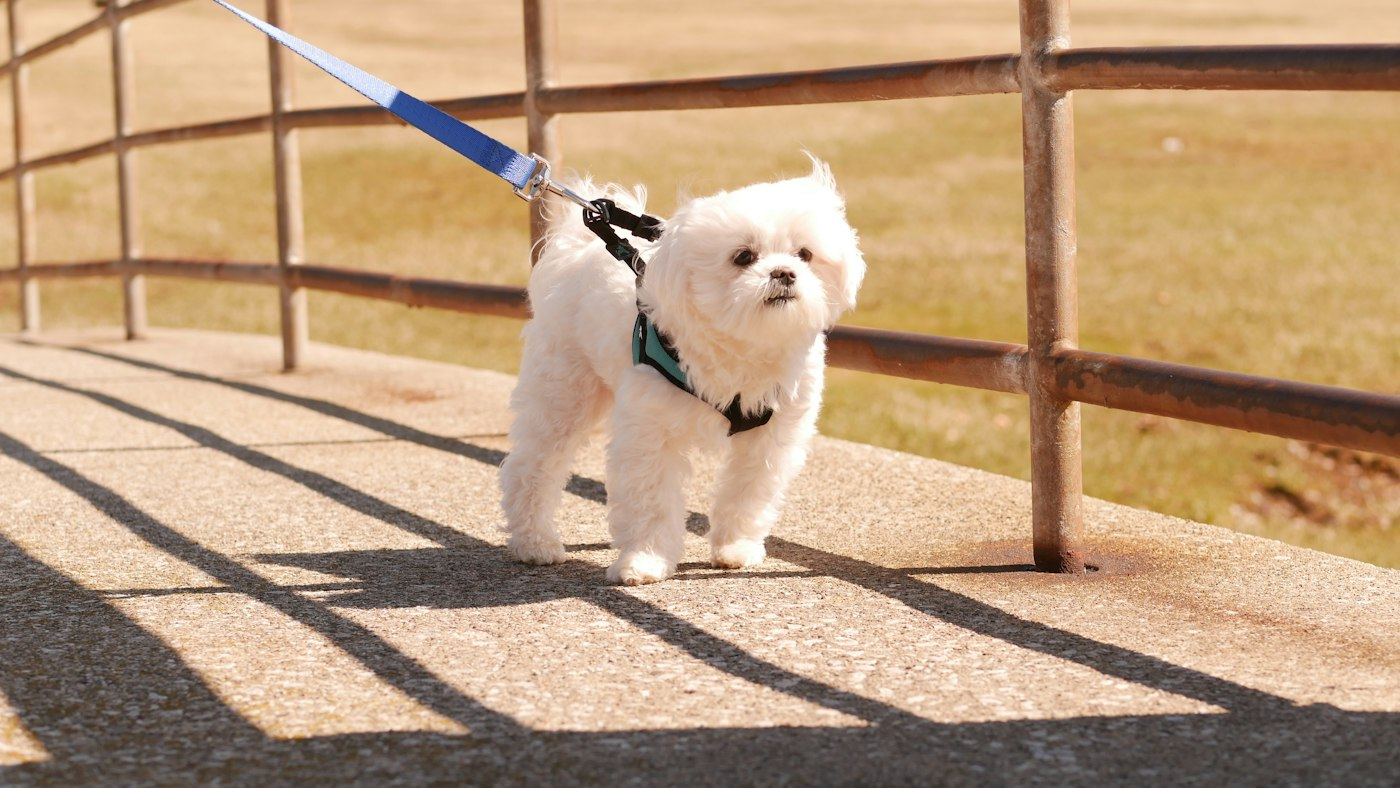
With spring walks getting longer, many dog owners wonder whether to stick with a standard leash or try a retractable one. Both have fans, and both have a place. The right choice depends on your dog’s training, where you walk and how much control you need. Here is a balanced look at each.
How each type works
A standard leash is a fixed length of nylon, leather, rope or coated material, usually four to six feet, with a clip at one end and a handle at the other. You control slack by how you hold it.
A retractable leash has a thin cord or tape that winds into a plastic handle with a spring mechanism. The leash extends as your dog moves away and retracts as they come back. A button locks the line at a set length. Retractable leashes come in various maximum lengths, often much longer than six feet.
The case for retractable leashes
- They give dogs more room to sniff and explore in open, quiet areas.
- They can be handy for older dogs or dogs on restricted activity who still enjoy pottering around.
- They can be useful in large, empty spaces where a long leash would be cumbersome.
The drawbacks
Retractable leashes come with some real tradeoffs.
- Less control: it is harder to bring a dog back quickly, especially if they run toward a road, another dog or wildlife.
- Injury risk: thin cords can cause cuts or burns if they wrap around legs or fingers, and dogs can be hurt when they hit the end of a long line at speed.
- Dropped handles: a dropped handle can clatter after a dog and frighten them into running.
- Mechanical failure: locks and cords can fail, especially with strong dogs or worn equipment.
- Mixed training signals: because the line always has some tension, many trainers feel retractables make loose-leash training harder.
Many places also limit leash length. National parks, for example, generally require pets to be on a leash no longer than six feet, and many cities and parks have similar rules. A retractable leash extended beyond that may not comply. Check local rules on your city or park’s official website.
The case for standard leashes
Standard leashes give you consistent, predictable control. They are generally better for busy sidewalks, crowds, roads, vet clinics and training. They are durable, simple and easy to replace. For dogs learning leash manners, most trainers recommend a standard leash. For exploring open spaces, a long line used with a harness offers freedom with more control than many retractables.
Making the choice
Many owners keep both: a standard leash for everyday walks and busy places, and a retractable or long line for quiet, open spaces where the rules allow. If you use a retractable, choose one sized for your dog, attach it to a harness, lock it short near people and traffic, and inspect it regularly. Whatever leash you use, pair it with a well-fitted collar or harness and current ID.












