

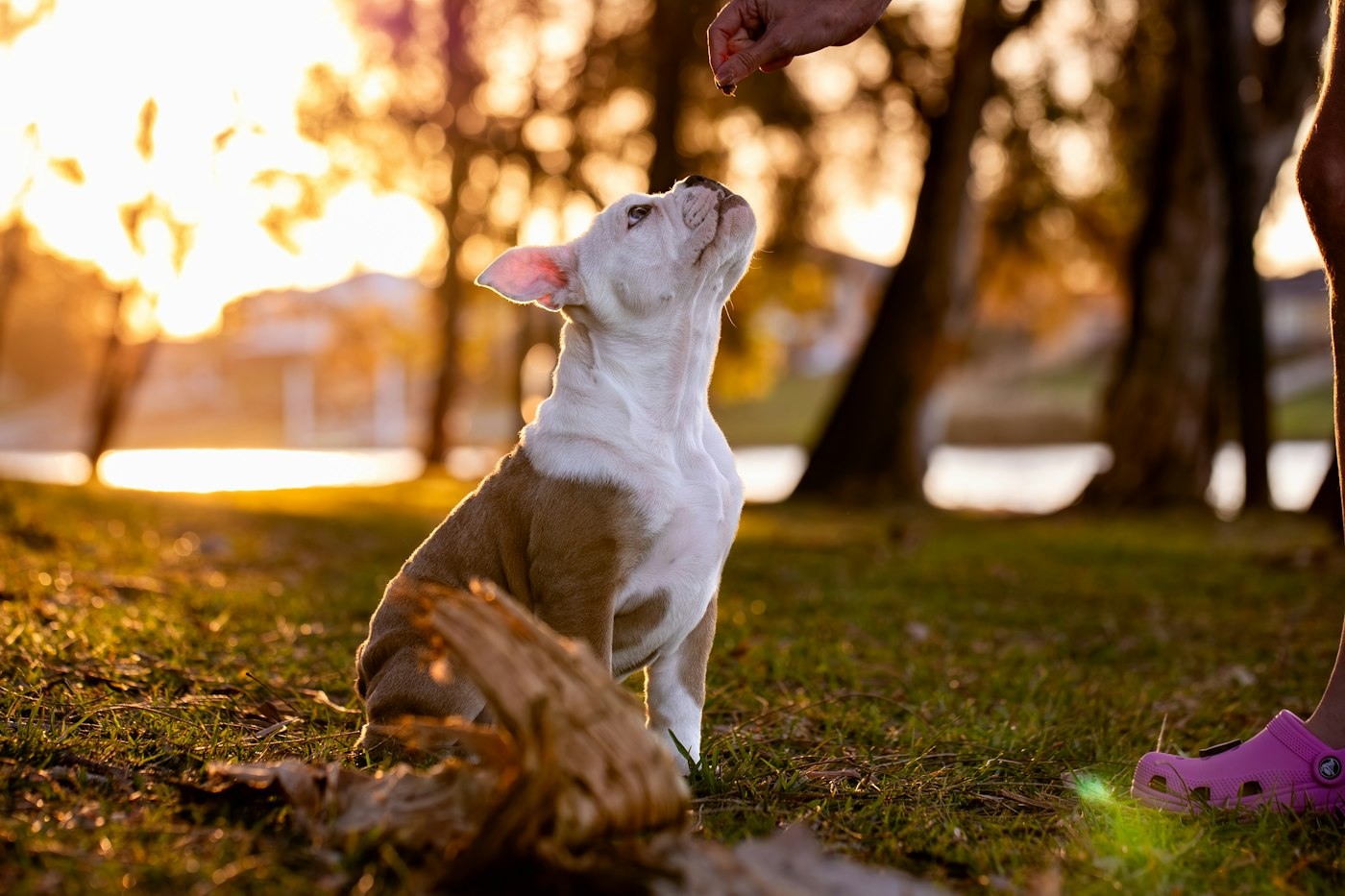
Coming when called, often called recall, is one of the most important things a dog can learn. It can keep a dog out of traffic, away from wildlife and out of trouble at the park. It also opens up more freedom, since a dog with reliable recall can enjoy more off-leash time where it is safe and allowed. Like any skill, recall is built through practice, not expected on day one.
Choose your cue and protect it
Pick a word or sound you will use only for recall, such as “come,” “here” or a whistle. Many owners find that their everyday “come” has become meaningless after months of calling a dog who did not respond. If that sounds familiar, start fresh with a new word.
Protect the cue. Avoid using it for things your dog dislikes, such as nail trims, baths or ending playtime, at least while you are building the skill. If you need your dog for something unpleasant, go get them instead of calling them.
Make coming to you the best thing ever
Recall works best when your dog believes that coming to you always pays off. Use high-value rewards, such as small pieces of cooked chicken, cheese or a favorite toy. Celebrate when your dog arrives with praise and a reward. Many trainers suggest giving several treats in a row for a great recall.
Start easy, indoors
- Stand a few feet from your dog in a quiet room.
- Say your cue once in a happy voice.
- When your dog comes, reward generously.
- Gently touch the collar as you reward, so being caught never becomes a reason to stay away.
- Repeat a few times, then end the session while your dog is still keen.
Play recall games with family members, calling your dog back and forth between people in different rooms. Gradually increase distance and add mild distractions.
Avoid common mistakes
Do not repeat the cue over and over. If your dog does not respond, make yourself more interesting by crouching down, moving away or making a fun sound, then reward when they arrive. Calling repeatedly teaches your dog that the cue is optional.
Never punish your dog for coming to you, no matter how long it took. If your dog finally arrives after ignoring you and gets scolded, they learn that coming to you is unpleasant, and they will be slower next time. Running toward your dog can also turn recall into a game of chase; moving away often works better.
Building toward real-world reliability
Indoor success is just the beginning. The real test is calling your dog away from something exciting outdoors. Move to the yard, then to quiet outdoor spaces on a long line, before trying busier environments. Practice often, keep rewards high, and expect setbacks as distractions increase.
Even dogs with excellent recall can be distracted, frightened or tempted by wildlife. Always follow local leash laws, and keep your dog leashed near roads and in unfenced areas unless you are confident and off-leash time is permitted. A qualified trainer can help if recall is a struggle.












