

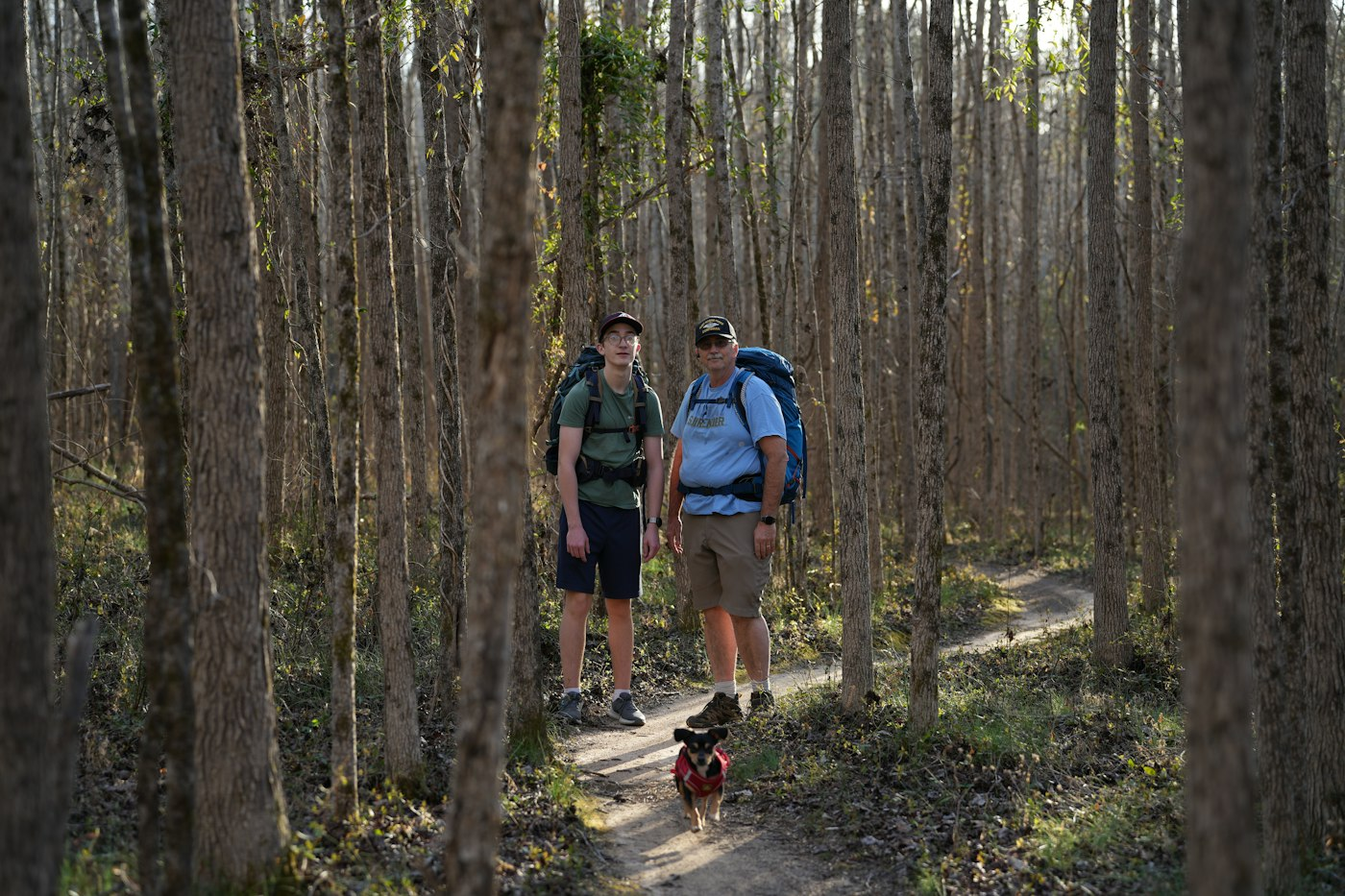
For many dogs, fall is the best hiking season of the year. The heat of summer is gone, the bugs are fading and the trails smell like a hundred new things. A little planning makes the most of it, especially as days get shorter and weather becomes less predictable.
Choose the right trail
Start by confirming that dogs are allowed. Rules vary widely. Many national parks restrict dogs to certain areas, such as developed spots and some paved paths, while national forests and state parks have their own policies. Check the official website for the park or land manager before you go. The National Park Service explains its pet rules at nps.gov.
Pick a distance and elevation that match your dog’s fitness, not just yours. Puppies, seniors and dogs who have been less active over the summer may need shorter outings. If you are unsure what is reasonable for your dog, ask your veterinarian.
Plan around shorter days
Fall daylight goes quickly, especially in wooded valleys where the sun drops behind ridges early. Look up sunset time before you leave and plan to be back at the trailhead with time to spare. Bring a headlamp just in case, and consider a small clip-on light for your dog’s collar or harness so you can see them on the way down.
Temperatures can drop fast in late afternoon. A dog that was comfortable at noon may feel chilled at four, especially if they got wet crossing a stream.
What to pack for your dog
- Water and a collapsible bowl, even in cool weather
- Treats or a small meal for longer hikes
- A sturdy leash and a well-fitting collar or harness
- Current ID tags with your phone number
- Waste bags, and a plan to carry them out
- A towel for wet or muddy dogs
- A light jacket or shell for dogs who feel the cold
- Basic first aid supplies and your vet’s phone number
Trail hazards in fall
Wet leaves can hide rocks, roots and holes, so watch your footing and your dog’s. Fallen leaves also make trails harder to follow, so stay on marked paths. Keep an eye out for mushrooms, fallen nuts and wildlife. Ticks can remain active on mild fall days, so check your dog thoroughly afterward, especially around the ears, neck, armpits and between toes.
In many areas, fall is also hunting season. Find out whether hunting is allowed where you plan to hike, and wear bright orange for both you and your dog if it is.
After the hike
Check paws for cuts, burrs or sore pads. Brush out the coat to remove seeds and debris. Offer water and let your dog rest. If your dog is limping, unusually stiff or not acting like themselves the next day, check in with your veterinarian. A good fall hike should leave your dog tired, happy and ready for the next one.












