

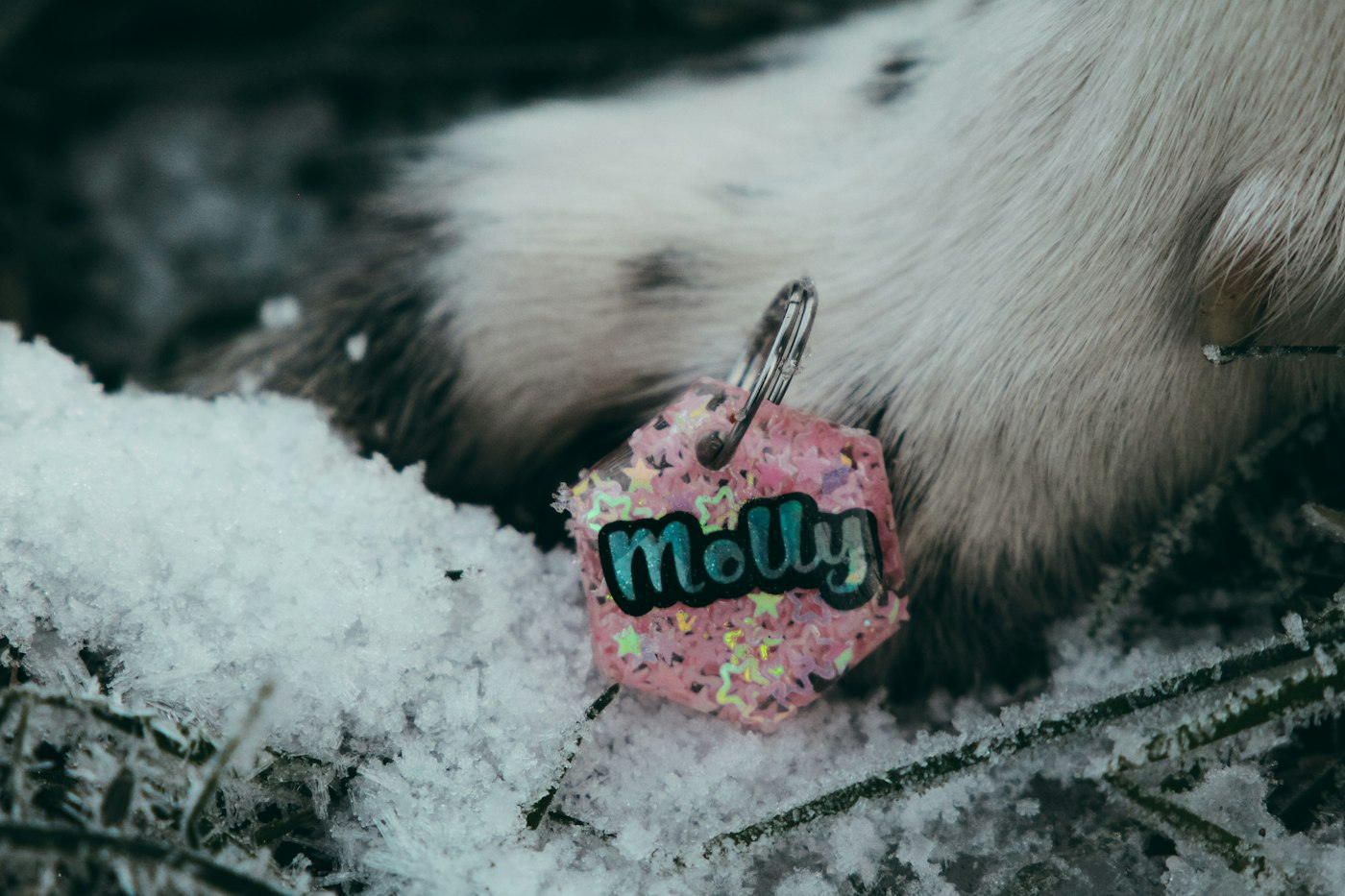
Your dog’s paws do a lot of work in winter. They press through crusty snow, slip on ice and walk across sidewalks treated with salt and de-icers. Pads can dry out, crack or get irritated, and ice can pack between the toes. A simple, consistent routine before and after walks goes a long way toward keeping paws in good shape.
Before the walk
Start by checking the fur between your dog’s toes and pads. On dogs with long or curly coats, including doodles, this fur can collect snow that turns into hard ice balls. Keeping it neatly trimmed level with the pads reduces clumping. If you are not comfortable trimming near the pads, a groomer can do it for you.
Some owners apply a paw balm or wax made for dogs before going out. These products create a thin barrier that can help keep snow and salt off the skin. Follow the product directions and choose something formulated for pets, since dogs often lick their feet. Booties are another option for dogs who will tolerate them, especially on heavily salted routes.
During the walk
Where you can, walk on fresh snow or grass rather than heavily treated sidewalks. Watch for signs of discomfort, such as lifting a paw, limping or stopping suddenly. That can mean ice has packed between the toes or salt is stinging. Pause, gently remove any ice with your fingers and continue if your dog seems fine.
After the walk
This is the most important step. Road salt and many de-icers can irritate skin, and dogs may lick residue off their feet. As soon as you get home:
- Wipe each paw with a damp cloth or rinse in a shallow bowl of lukewarm water
- Clean between the toes and around the pads
- Dry thoroughly, including between the toes
- Wipe the belly and legs if they picked up slush
Keep a towel and a bowl by the door so this becomes part of coming inside. Thorough drying matters because damp fur between the toes can lead to irritation.
Moisturize and inspect
Indoor heating dries the air, and pads can crack. A dog-safe paw balm applied after cleaning can help. While you are down there, look for cuts, redness, swelling, cracks or anything stuck between the toes. Check the nails too. Long nails change how a dog’s foot meets the ground and can make slippery surfaces harder to manage.
When to call the vet
Minor dryness is common in winter, but some problems need professional attention. Talk to your veterinarian if you see bleeding, deep cracks, swelling, persistent limping, constant licking or chewing at the feet, or signs of infection such as odor or discharge. Pale, gray or very cold skin on the paws after time outside is also worth a prompt call. This article is general information, and your vet is the best source of advice for your dog’s specific needs. With a few minutes of care each day, most dogs can enjoy winter walks with comfortable feet.












