

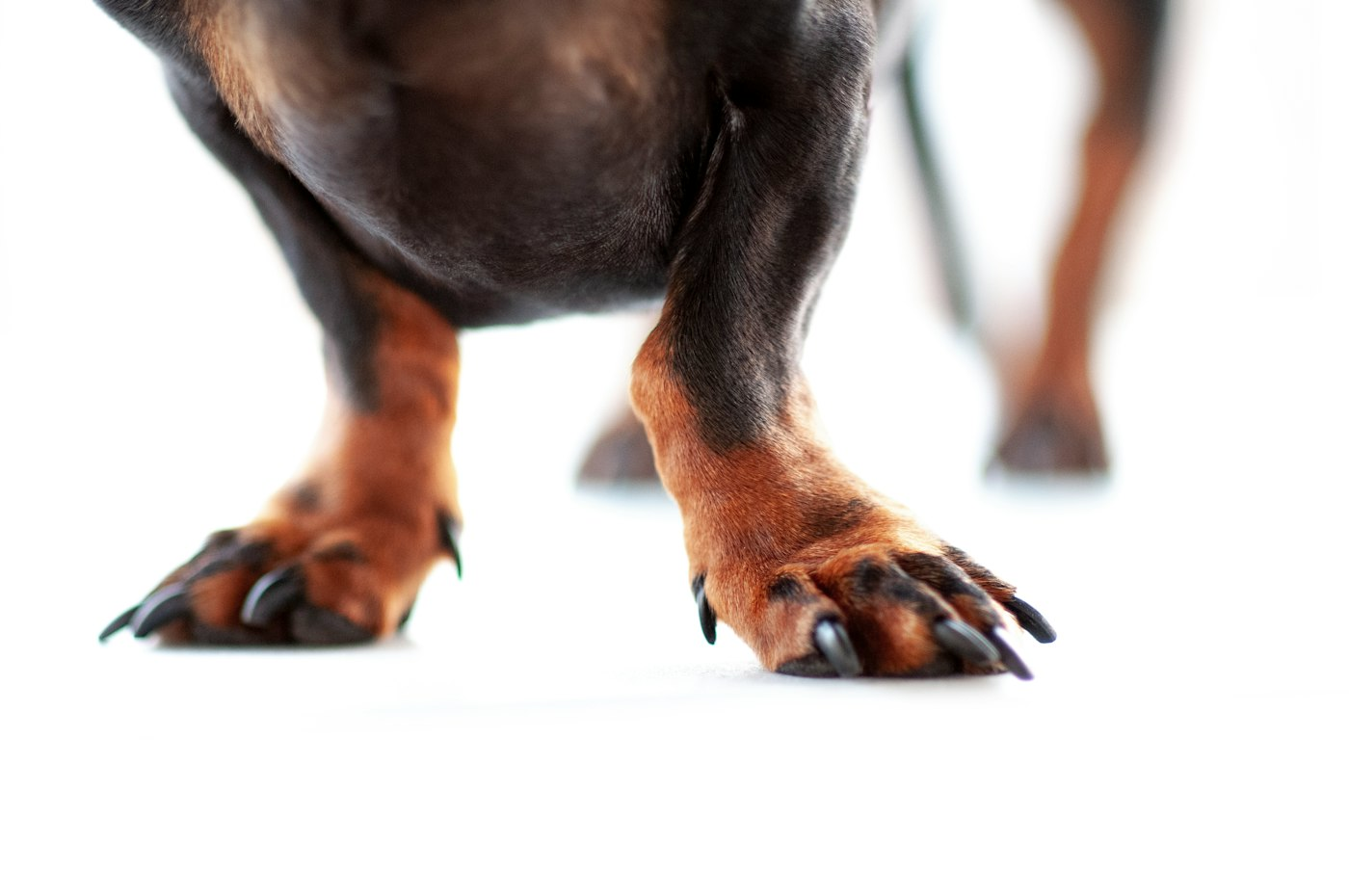
Nail trims are one of the most dreaded grooming tasks for many dogs and their owners. Some dogs pull away, some wriggle and some simply refuse. The reasons are understandable: paws are sensitive, the clippers make a noise and an accidental cut into the quick can hurt. With a slow, positive approach, though, many dogs learn to tolerate trims, and some even come to expect treats when the clippers come out.
How Long Is Too Long?
A common sign that nails need a trim is hearing them click on hard floors. Long nails can change how a dog stands and walks, and they can catch on carpets or snap. How often trimming is needed depends on the dog, their activity level and the surfaces they walk on. Your veterinarian or groomer can show you what length is right for your dog.
Know the Quick
Inside each nail is the quick, which contains blood vessels and nerves. Cutting into it is painful and causes bleeding. On light-colored nails, the quick often shows as a pink area. On dark nails it is hard to see, so trim tiny slivers at a time and look at the cut surface. When you see a small dark dot in the center, you are getting close to the quick and should stop.
Keep styptic powder on hand. If you do nick the quick, apply it with gentle pressure to stop bleeding. If bleeding does not stop, call your veterinarian.
Building Comfort Before Cutting
For a nervous dog, start by not trimming at all.
- Touch your dog’s paws gently during calm moments and reward with treats.
- Gradually hold a paw for a second or two, then a bit longer.
- Show the clippers or grinder, give a treat, then put them away.
- Touch the tool to a nail without cutting, then reward.
- Trim one nail, reward generously and stop for the day.
This might take days or weeks. That is fine. Short, successful sessions build trust far faster than one long struggle.
Clippers or a Grinder?
Clippers are quick and quiet once you are comfortable using them. Grinders file the nail down gradually, which makes it easier to avoid the quick and smooth sharp edges, but they make noise and vibration that some dogs need time to accept. Long fur, as on many doodles, should be held back so it does not catch in a grinder. Choose whichever tool your dog tolerates best.
Making It Routine
Frequent small trims are often easier than occasional big ones. Many owners trim a nail or two a day, or a paw at a time, rather than tackling all at once. Do not forget dewclaws, which sit higher on the leg and do not wear down from walking.
Licking a spread of dog-safe food from a lick mat can help some dogs relax during trims. A second person offering treats can help too.
If your dog is extremely fearful, tries to bite or has very overgrown nails, ask your veterinarian or a professional groomer for help. Some dogs do best with professional trims, and your veterinarian can discuss options for dogs who are severely stressed by handling.












