

Every summer, plenty of well-meaning owners consider shaving their thick-coated dogs to help them stay cool. It is an understandable instinct. But for many breeds, shaving does not work the way people expect. Here are some common beliefs and what is actually going on.
What a double coat is
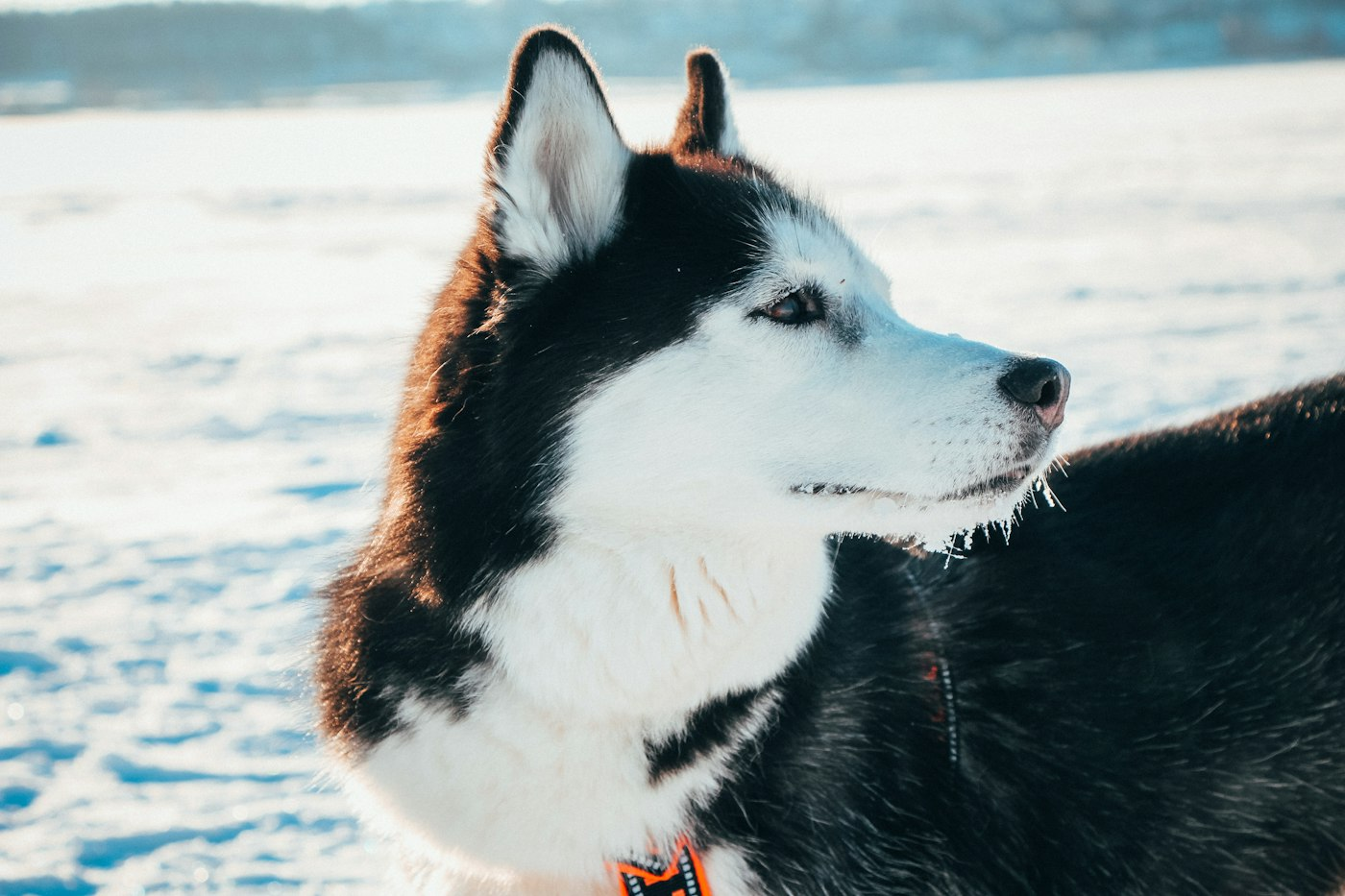
Breeds such as Golden Retrievers, Huskies, German Shepherds, Pomeranians and many others have two layers of fur. The soft, dense undercoat provides insulation. The longer, coarser guard hairs on top protect the skin and help repel water, dirt and sunlight.
These dogs shed their undercoat seasonally, often heavily, which owners sometimes call blowing the coat. When that shedding is brushed out, the remaining coat allows air to move closer to the skin while the guard hairs keep shading it.
Myth: A shaved dog stays cooler
Fact: A well-groomed double coat can actually help a dog manage heat by insulating against hot air and blocking direct sun. Shaving removes that shade. Dogs also do not cool themselves mainly through their skin; they rely heavily on panting and on the sweat glands in their paw pads. Removing the coat does not change that.
Myth: The coat will grow back the same
Fact: Often it does, but not always. In some double-coated dogs, shaved coats grow back unevenly, with the undercoat returning faster than the guard hairs. The result can look patchy or feel different, and in some cases it takes a long time to recover. Many groomers advise against shaving these breeds for this reason.
Myth: Shaving means less shedding
Fact: Shaving does not stop shedding. It just makes the hairs shorter, and short shed hairs can be even more stubborn about clinging to furniture and clothes. The more effective approach is regular brushing with an undercoat rake or de-shedding tool, or a professional de-shedding treatment, which removes loose undercoat and improves airflow.
When a shave may be necessary
There are times when clipping a double-coated dog is the right call, such as severe matting, certain skin conditions or a medical procedure. Those are decisions to make with your veterinarian and groomer.
Shaving can also expose skin that has rarely seen the sun, which raises the risk of sunburn and leaves the dog more open to insect bites and scrapes. For everyday summer comfort, these steps tend to help more:
- Brush often to remove loose undercoat.
- Schedule a professional de-shedding session at the start of summer.
- Trim the fur between the paw pads and around the sanitary area.
- Provide shade, water and air conditioning, and walk during cooler hours.
Doodles are a different case, since many have a single, continuously growing coat that does need regular haircuts. If you are not sure which type your dog has, ask your groomer.












