

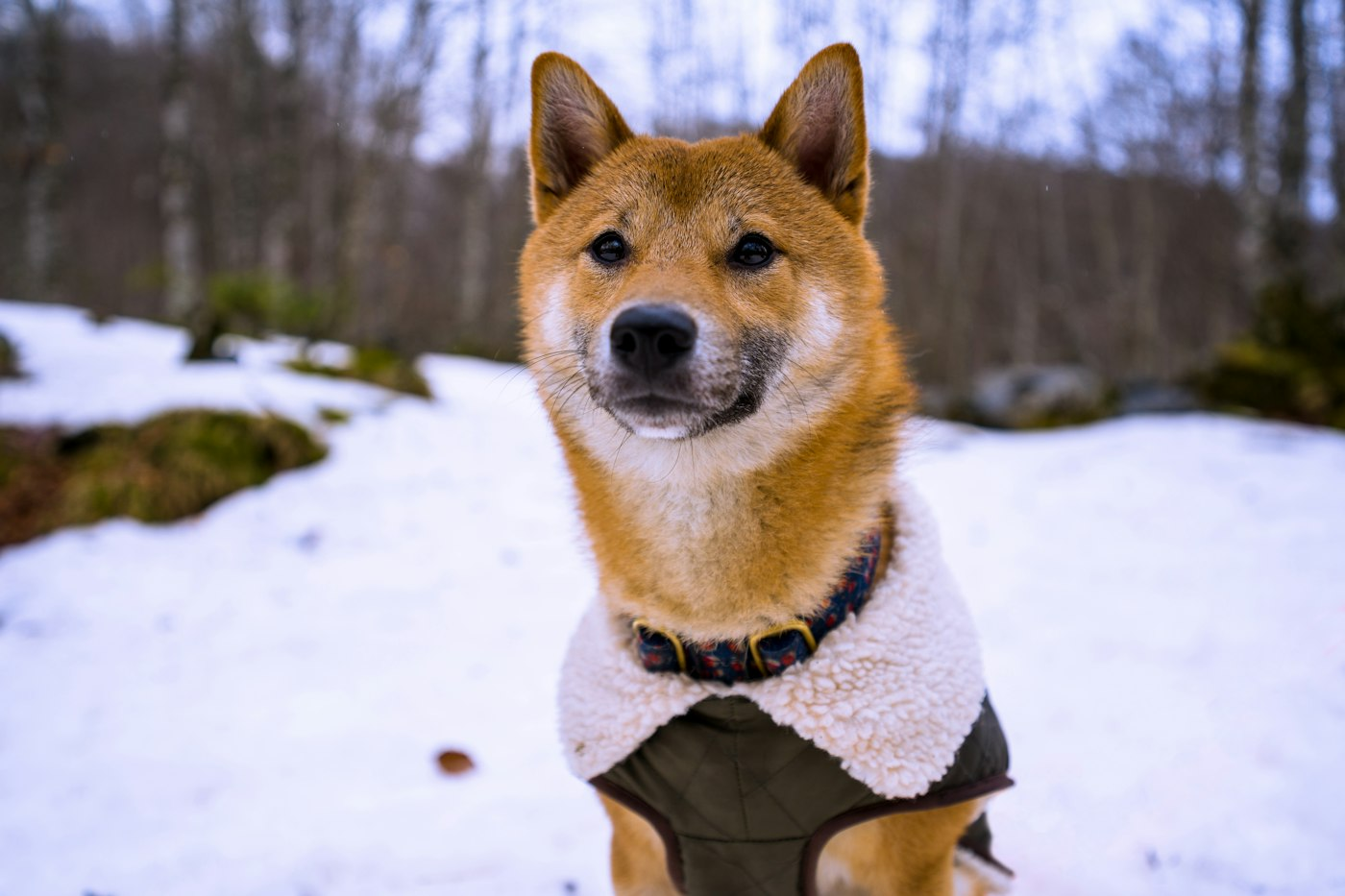
Winter brings plenty of advice about dogs, some of it handed down for generations. Some of it holds up, and some of it does not. Here is a look at a few common beliefs, with general information to help you sort them out. For anything specific to your dog’s health, your veterinarian is the best source.
Myth: All dogs have fur, so they are fine in the cold
Fur helps, but coats vary enormously. Dense double coats on breeds such as Huskies and Malamutes offer serious insulation. Thin, short single coats on breeds such as Greyhounds, Chihuahuas and Boxers offer much less. Size, body fat, age and health also play a role. A small, lean, elderly or short-coated dog can get cold quickly, while a thick-coated dog may be perfectly comfortable. Judge your own dog rather than dogs in general.
Myth: Dogs need extra weight to stay warm in winter
Some owners feed extra in winter so their dog will have more padding. For most pet dogs who live indoors and walk less in winter, the opposite is often true: they need the same or fewer calories, and extra weight can strain joints and affect overall health. Dogs who work or live outdoors may have different needs. Ask your veterinarian before changing how much your dog eats.
Myth: Eating snow is a fine way for dogs to stay hydrated
Many dogs love to snack on snow, and a small mouthful of clean snow is not usually a concern for a healthy dog. But snow is not a substitute for drinking water, and eating a lot of it can chill a dog or upset the stomach. Snow near roads and sidewalks may contain salt, de-icers, antifreeze or other debris. Keep fresh water available and discourage eating dirty or roadside snow.
Myth: Paws are tough enough for anything
Paw pads are durable, but they are not immune to cold, ice and chemicals. Ice balls between the toes, cracked pads, cuts from sharp ice and irritation from salt are all common winter problems. Simple habits such as trimming fur between the pads, wiping paws after walks, using a dog-safe balm and considering booties can help.
Myth: Shaving a long-coated dog for winter makes grooming easier with no downside
A shorter trim can make winter grooming easier for some dogs, including some doodles, but a very close shave removes insulation and protection. Double-coated breeds in particular are often not recommended for shaving. The right length depends on the dog, the coat type and the climate, so talk with a professional groomer and, if you have concerns, your veterinarian.
One thing is not a myth: the most reliable winter rule is to pay attention. Shivering, lifting paws, hunching, slowing down or trying to head home are signs your dog is uncomfortable. Adjust walk length, add a well-fitted coat if needed and keep your dog dry and warm indoors. Reading your dog will serve you better than any single rule of thumb.












