

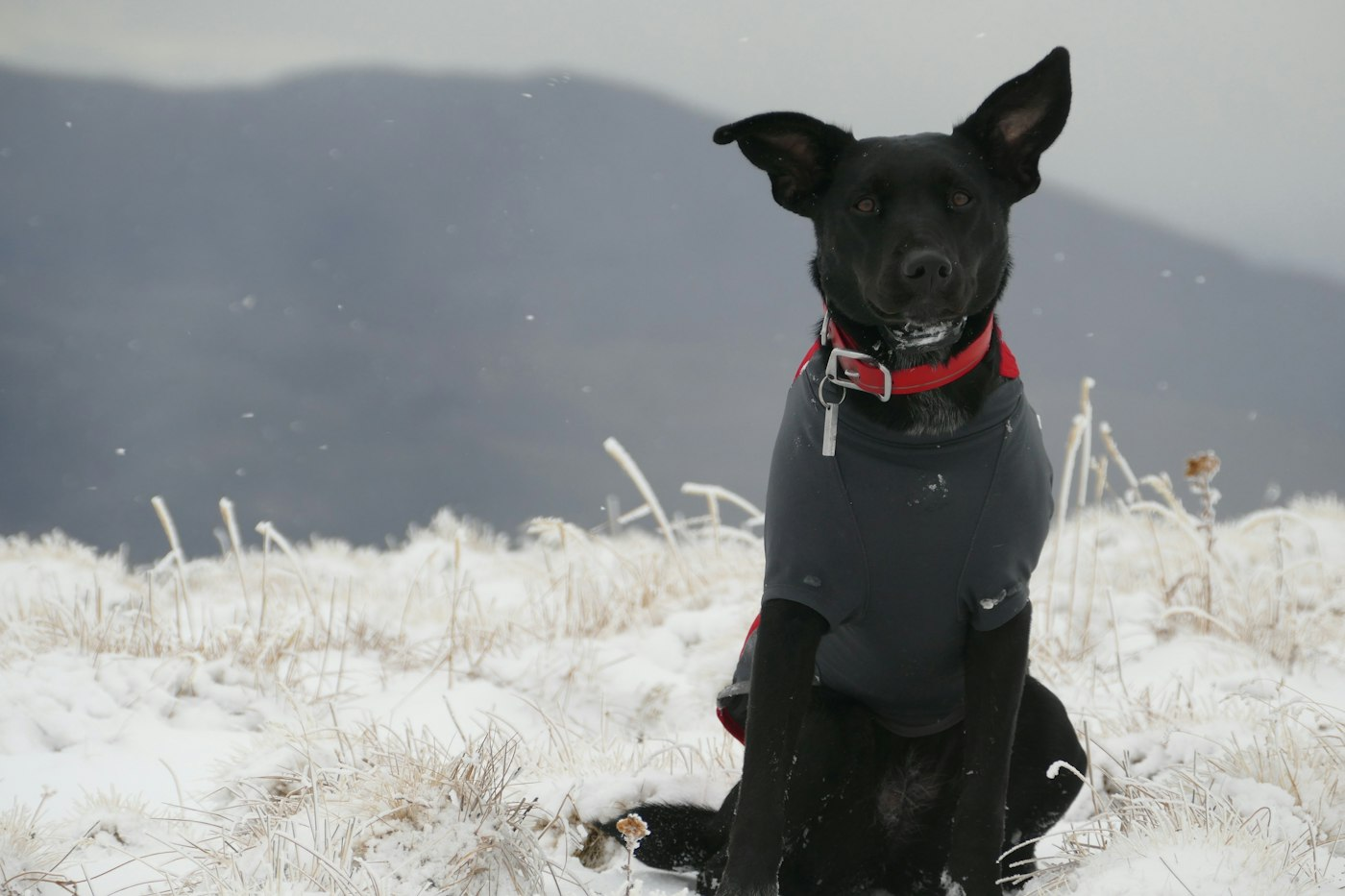
Few things are more frightening than realizing your dog is missing, and winter weather makes it feel even more urgent. Snow can cover scent trails, darkness comes early and cold can be dangerous for some dogs. Acting quickly and methodically gives you the best chance of a fast reunion. Here are the first steps to take.
Search the immediate area first
Many dogs are found close to home. Start right away, before you do anything else, and bring a flashlight, a leash, a few high-value treats and your phone. Walk your usual routes and check places a dog might hide from the cold, such as under porches, decks, parked cars, sheds and in garages that may have been left open. In fresh snow, look for paw prints.
Move slowly and call your dog’s name in a calm, happy voice. A frightened dog may hide or avoid even familiar people. If you see your dog, avoid chasing, which can make them run. Instead, crouch down, turn slightly sideways, toss treats on the ground and let them come to you.
Leave something familiar at home
Have someone stay at the house if possible, in case your dog comes back on their own. Leave a door or gate where your dog can approach, and put out an item with your scent, such as a worn shirt, along with your dog’s bed. Keep in mind that a dog left outside overnight in winter can be at risk, so keep checking.
Spread the word fast
- Call your microchip registry to report your dog missing and confirm your contact details
- Make sure any QR tag profile shows your current phone number
- Contact local animal shelters, animal control and nearby veterinary clinics, and give them a description and photo
- Post on neighborhood groups and community sites with a clear, recent photo
- Tell neighbors, mail carriers and delivery drivers
Visit shelters in person if you can. Descriptions over the phone can be misunderstood, and dogs can look different when they are wet, dirty or scared.
Make a simple flyer
Keep it bold and readable from a distance: LOST DOG in large letters, a clear photo, your dog’s name, a brief description and your phone number. Post flyers at intersections, parks, pet stores and community boards. In wet or snowy weather, slide flyers into clear plastic sleeves so they stay readable.
Keep going and prepare for next time
Keep searching at dawn and dusk, when lost dogs often move around. Check shelters regularly, since a dog may arrive days later. When your dog is home, have your veterinarian check them over, especially for frostbite, injuries or anything they may have eaten. Then review your identification: a collar with a readable tag, a registered microchip with current details and an up-to-date QR profile all make the next search, if there ever is one, much shorter.












