

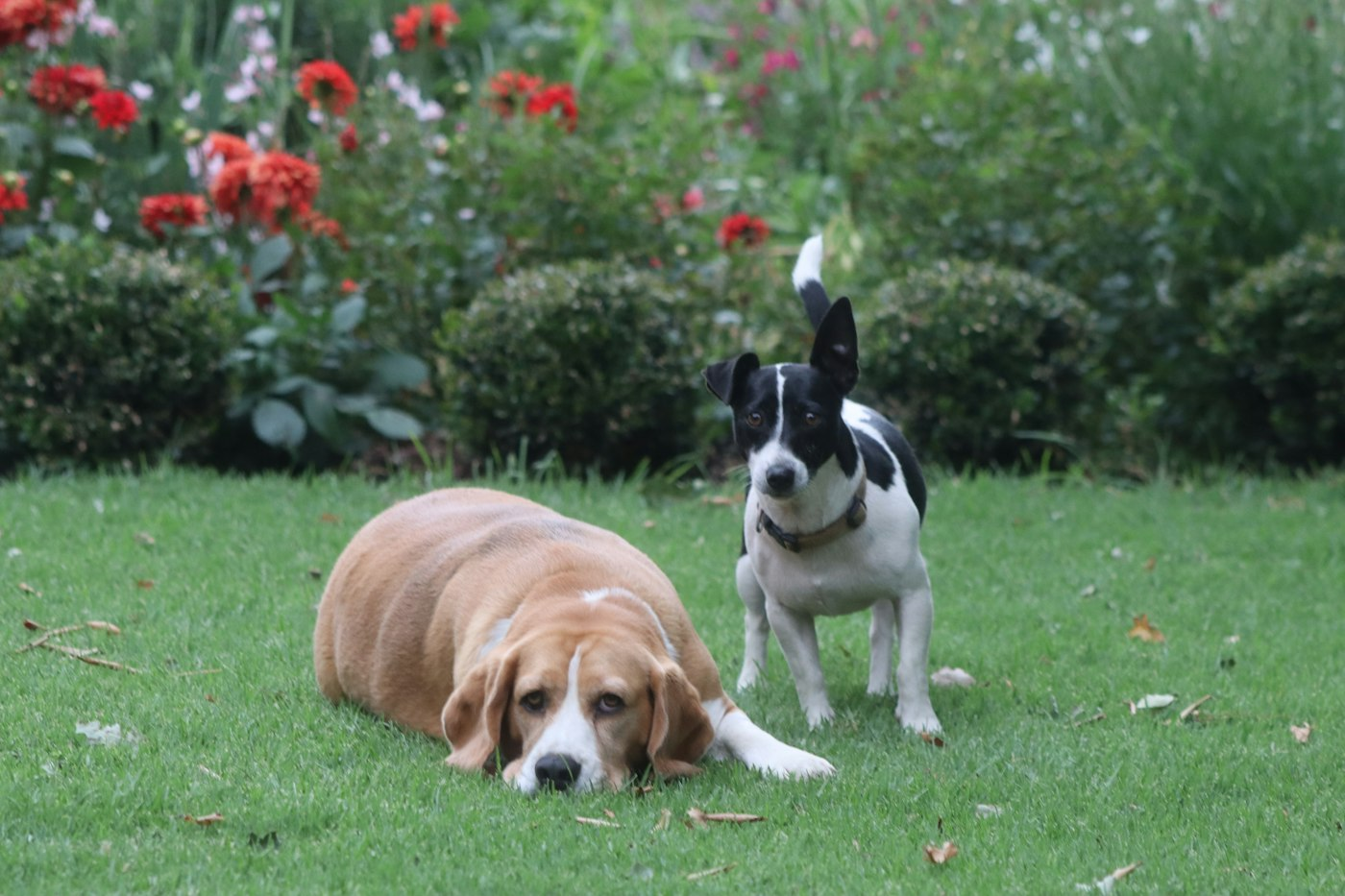
A green lawn and a thriving garden are part of summer for many households. Keeping them that way can involve fertilizers, weed killers, insect controls and baits, many of which can harm dogs. With some planning, you can care for your yard and keep your dog safe.
Read every label
Product labels are the most important source of safety information. Look for instructions about pets, including how long to keep animals off treated areas and whether the product needs to be watered in or dried first. Follow those directions exactly. If you hire a lawn service, ask what products they use and what precautions they recommend, and ask them to notify you before treatments.
Common products to handle carefully
- Fertilizers. Some contain ingredients that can upset a dog’s stomach or cause more serious problems if eaten in quantity. Granules left on sidewalks or in open bags are tempting to some dogs.
- Herbicides and insecticides. Follow label instructions on re-entry times and storage.
- Slug and snail baits. Some baits are highly toxic to dogs. Ask a garden center about pet-safer options, or skip them entirely.
- Rodent poisons. These are extremely dangerous to pets. Dogs can be poisoned by eating the bait directly or, in some cases, by eating a poisoned rodent.
- Cocoa bean mulch. This mulch smells like chocolate and contains related compounds that can be harmful to dogs. Many owners choose other types of mulch.
Storage and cleanup
Many poisonings happen not during application but because a dog gets into a bag or container later. Store all yard products in their original containers, in a locked cabinet or high shelf in the garage or shed. Clean up spills right away, and sweep granules off patios and walkways.
After applying a product, keep your dog inside or in an untreated area for the time the label recommends. Wipe your dog’s paws after walks if neighbors have recently treated their lawns.
If your dog is exposed
Signs of poisoning vary by product and may include vomiting, diarrhea, drooling, tremors, weakness, unusual bleeding or bruising, or seizures. Some products cause signs days later.
If you think your dog has eaten or been exposed to a lawn or garden product, call your veterinarian or a pet poison control hotline right away. Have the product container handy, since the ingredients and concentration help professionals advise you. Do not try to make your dog vomit unless a professional tells you to.
Keep a note of which products you use and when, so you have the information handy if your dog ever shows signs of illness. Consider lower-risk yard care where you can: mowing high, pulling weeds by hand, spot-treating rather than broadcasting products, and choosing pet-friendly plants. A yard does not have to be perfect to be beautiful, and a safer yard is a better place for your dog to enjoy summer.












