

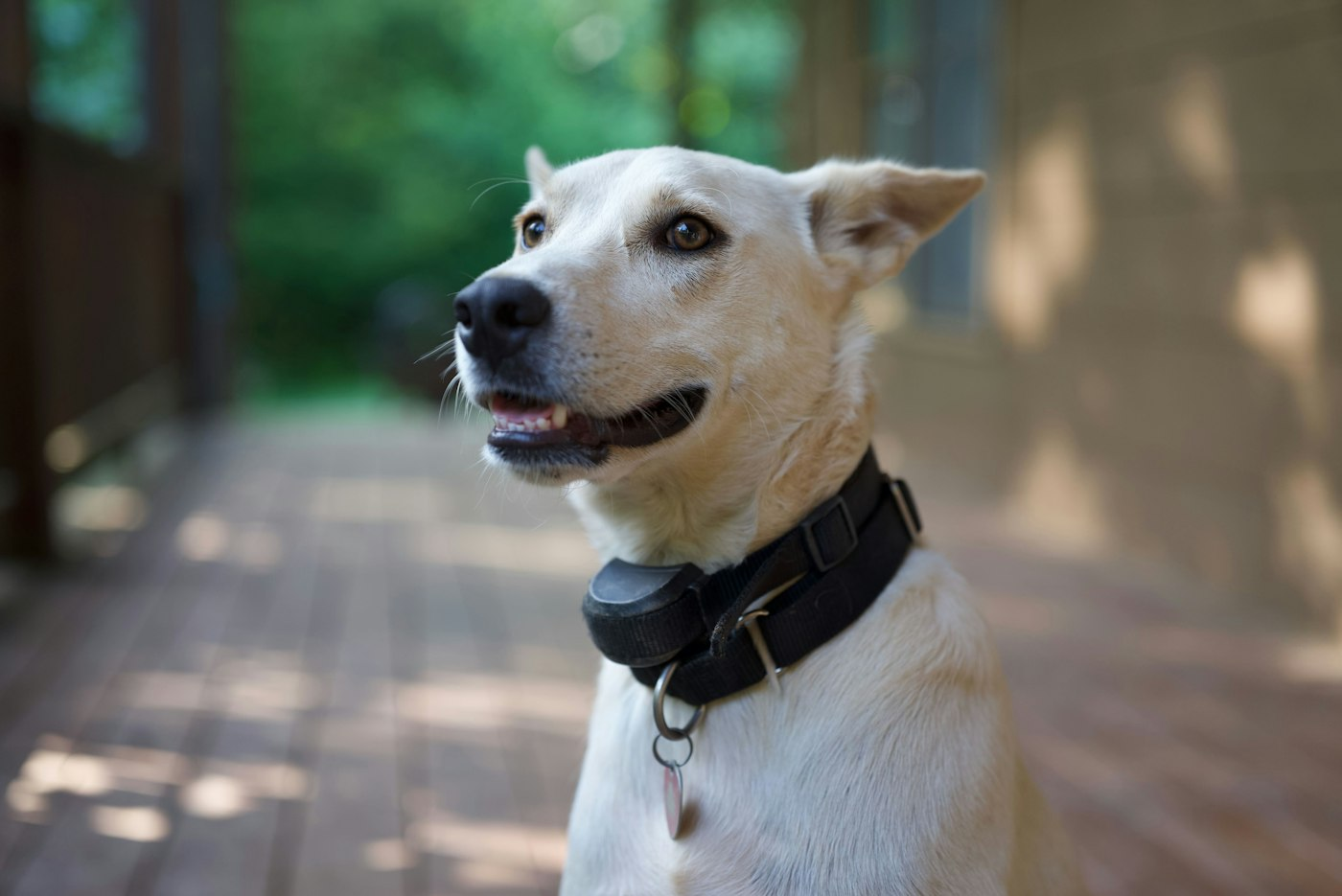
Identification only works if it leads back to you. A tag with an old phone number, a microchip registered to a previous address or a QR profile you set up years ago can all leave a finder with no way to reach you. Updating information takes a few minutes, but it is easy to put off. This checklist walks through every layer of your dog’s identification.
Collar ID tag
- Is your current phone number on the tag?
- Is the engraving or print still clearly readable?
- Is there a second phone number, if there is room?
- Is the ring holding the tag secure and not worn thin?
- Does the collar fit properly and stay on?
If anything has changed, order a new tag now rather than waiting. Tags that have been scratched by months of sidewalks and snow can become hard to read even if the information is right.
Microchip
A microchip only stores an identification number, and the registry database connects that number to you. If you have moved, changed phone numbers or adopted a dog whose chip was registered to someone else, the registry may still have old information.
- Find your dog’s microchip number, which may be in adoption papers or vet records
- Contact the registry connected to the chip to confirm or update your details
- Add a secondary contact if the registry allows it
- Ask your vet to scan the chip at the next visit to confirm it reads properly
If you are not sure which registry your chip is with, your veterinarian or shelter may be able to help you find out.
QR tag profile
A QR tag links to an online profile, so the information can be updated without a new tag. That is only helpful if the profile is current.
- Scan the tag with your own phone to make sure it works
- Confirm your phone numbers and any other contact information
- Update your dog’s photo, especially if their appearance has changed with grooming or age
- Review any medical notes, such as medications or allergies
- Check your privacy settings
License, rabies tag and vet records
Many cities and counties require dogs to be licensed and to wear a rabies or license tag. Check that your dog’s license is current and that the tag on the collar matches. Your city or county .gov site will have details on local requirements. Make sure your veterinarian’s office has your current contact information too, since shelters sometimes reach owners through the vet listed on a rabies tag.
Make it a routine
Pick an easy-to-remember time to review all of this each year, such as your dog’s birthday or annual checkup. Update everything immediately whenever you move or change your number. With every layer current, a found dog has the best possible chance of getting home quickly.












