

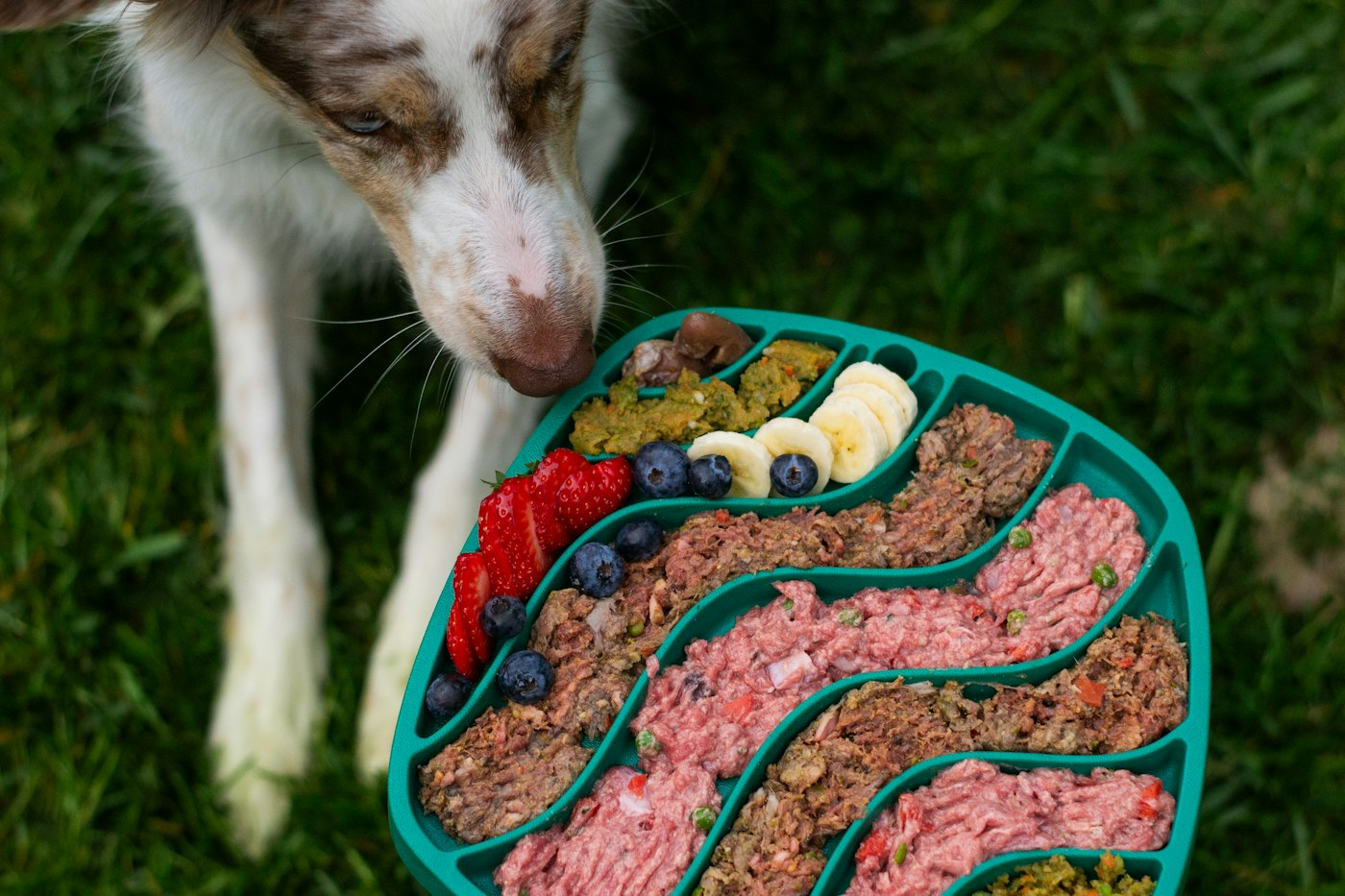
The front of a dog food bag is designed to catch your eye with photos of fresh ingredients and appealing words. The more useful information is usually on the back and sides. Learning where to look helps you compare products more confidently. Label rules described here apply to foods sold in the United States, and your veterinarian remains the best guide for choosing what your dog should eat.
The product name tells you more than you think
Under AAFCO-based labeling rules, the way a food is named reflects how much of a named ingredient it contains. In general terms:
- A name like “Beef Dog Food” means the named ingredient makes up most of the product.
- Words such as “dinner,” “entrée,” “platter” or “formula,” as in “Beef Dinner,” mean the named ingredient is a smaller but still significant share.
- “With,” as in “Dog Food with Beef,” means only a small amount of that ingredient is required.
- “Flavor,” as in “Beef Flavor,” means the food must have a detectable flavor of beef, but it may contain very little actual beef.
These distinctions are subtle, so it is worth reading the name slowly.
The nutritional adequacy statement
This short statement is one of the most important parts of the label. It tells you whether the food is complete and balanced and for which life stage: growth, which covers puppies and often pregnant or nursing dogs; adult maintenance; or all life stages. It may also note whether the food is suitable for large-size dogs when it is fed for growth. A food labeled for intermittent or supplemental feeding is not meant to be the main diet.
The guaranteed analysis
This panel lists minimum percentages of crude protein and crude fat and maximum percentages of crude fiber and moisture. These numbers are useful but limited. They describe amounts, not quality or digestibility. Comparing a canned food and a dry food directly can also be misleading, because canned food contains much more water. To compare fairly, the numbers need to be converted to a dry-matter basis, something your veterinarian can help with.
The ingredient list
Ingredients are listed in order by weight before processing. Ingredients that contain a lot of water, such as fresh meat, can appear near the top even if they contribute less once the food is cooked and dried. Long ingredient lists are not necessarily better or worse. Marketing terms like “premium,” “holistic” or “human-grade” may not have strict regulatory definitions for pet food, so do not rely on them alone.
Feeding guidelines and contact information
Feeding charts give a starting range based on weight. Every dog is different, so watch your dog’s body condition and adjust with your veterinarian’s help. Look for the manufacturer’s contact information too. Many veterinary nutrition groups suggest calling or emailing a pet food company to ask who formulates their diets and what quality control steps they take. A company that answers clearly is giving you useful information. Bring your questions and the label itself to your next vet visit.












