

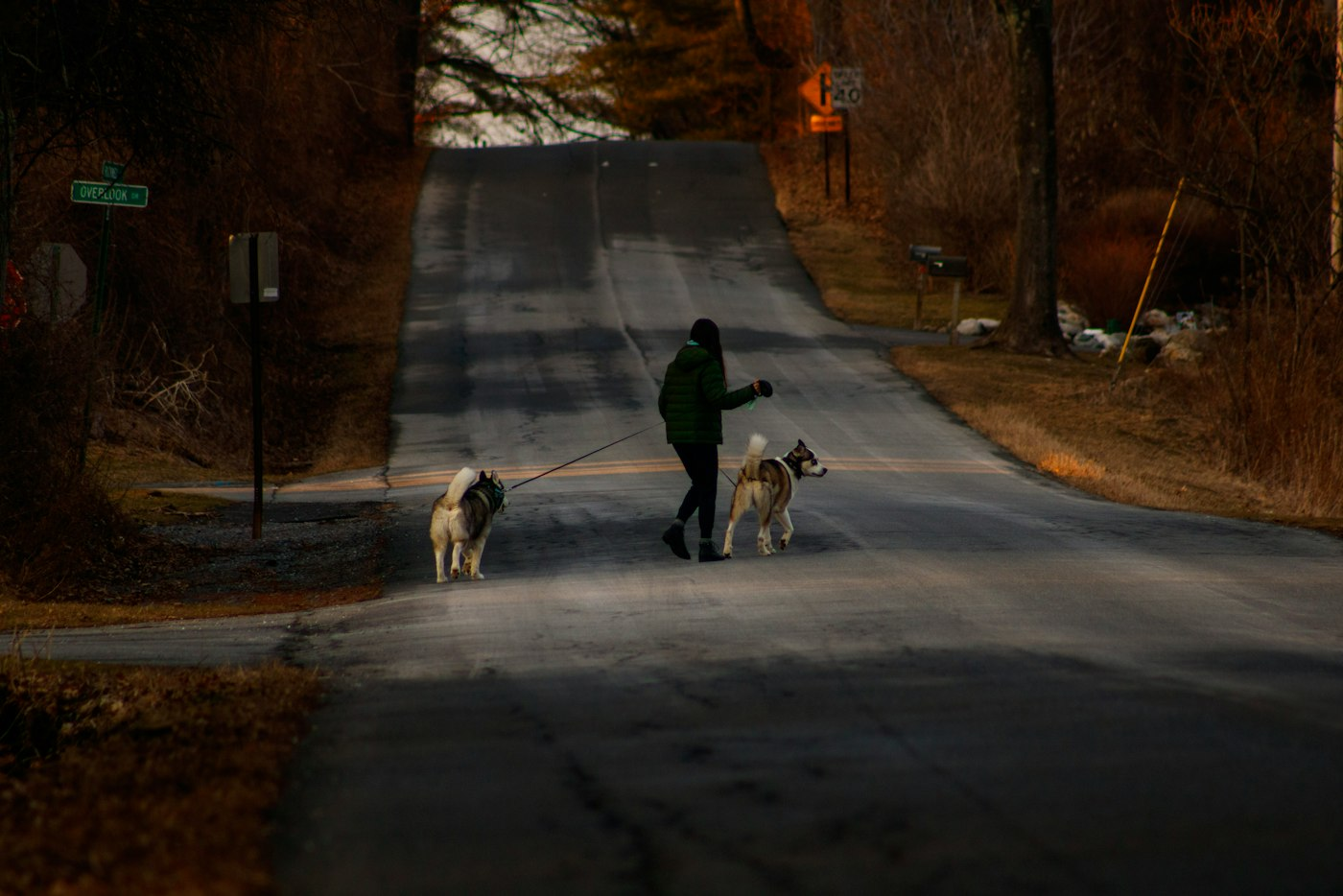
When the school year and busier work schedules return, many households start looking for midday help. A dog walker can break up a long day, give your dog a bathroom break and add exercise and company. Because you are trusting someone with your dog and often your home, it is worth taking time to choose carefully.
Decide what you need
Before you start calling, think about what your dog actually needs. A young, energetic dog may need a longer walk or active play. A senior dog may only need a short, gentle stroll and a bathroom break. A puppy may need more than one visit. Consider:
- How long each visit should be
- Whether your dog does better walked alone or in a small group
- Any special needs, such as medication, a reactive dog or a dog that pulls hard
- Which days and times you need coverage
Questions to ask any walker
Whether you are considering an independent walker, a local company or an app-based service, ask clear questions and listen for clear answers.
- Are you insured and, where relevant, bonded? Can you share proof?
- How many dogs do you walk at once, and how are groups chosen?
- What do you do if a dog gets hurt, sick or loose during a walk?
- Do you have training in pet first aid?
- How do you handle keys, door codes and home security?
- What happens if you are sick or on vacation?
- How do you communicate after each visit, through notes, texts, photos or an app?
- What equipment do you use, and will you use mine?
Ask how they handle dogs who pull, lunge or are nervous around other dogs. Look for someone who uses calm, reward-based methods rather than harsh corrections.
Meet first, then do a trial
A good walker will want to meet your dog before the first official visit. Watch how they interact. Do they let your dog approach at its own pace? Do they ask about your dog’s habits, fears and favorite things? A trial walk, ideally with you present at first, can show you how they handle your leash, your dog and your neighborhood.
Check references and trust your instincts
Ask for references from current clients and follow up with them. Online reviews can be helpful, but direct conversations often tell you more. Pay attention to how your dog reacts after the first few visits. A dog who greets the walker happily and seems relaxed afterward is a good sign. If something feels off, it is okay to keep looking.
Put it in writing
Before regular visits begin, agree on schedule, rates, cancellation policy and what happens in an emergency. Provide your veterinarian’s contact information, the nearest emergency clinic and written permission for the walker to seek care if needed. Make sure your dog wears a secure collar and a current ID tag or QR tag on every walk, so your dog can be quickly identified and you can be reached if anything goes wrong.












