

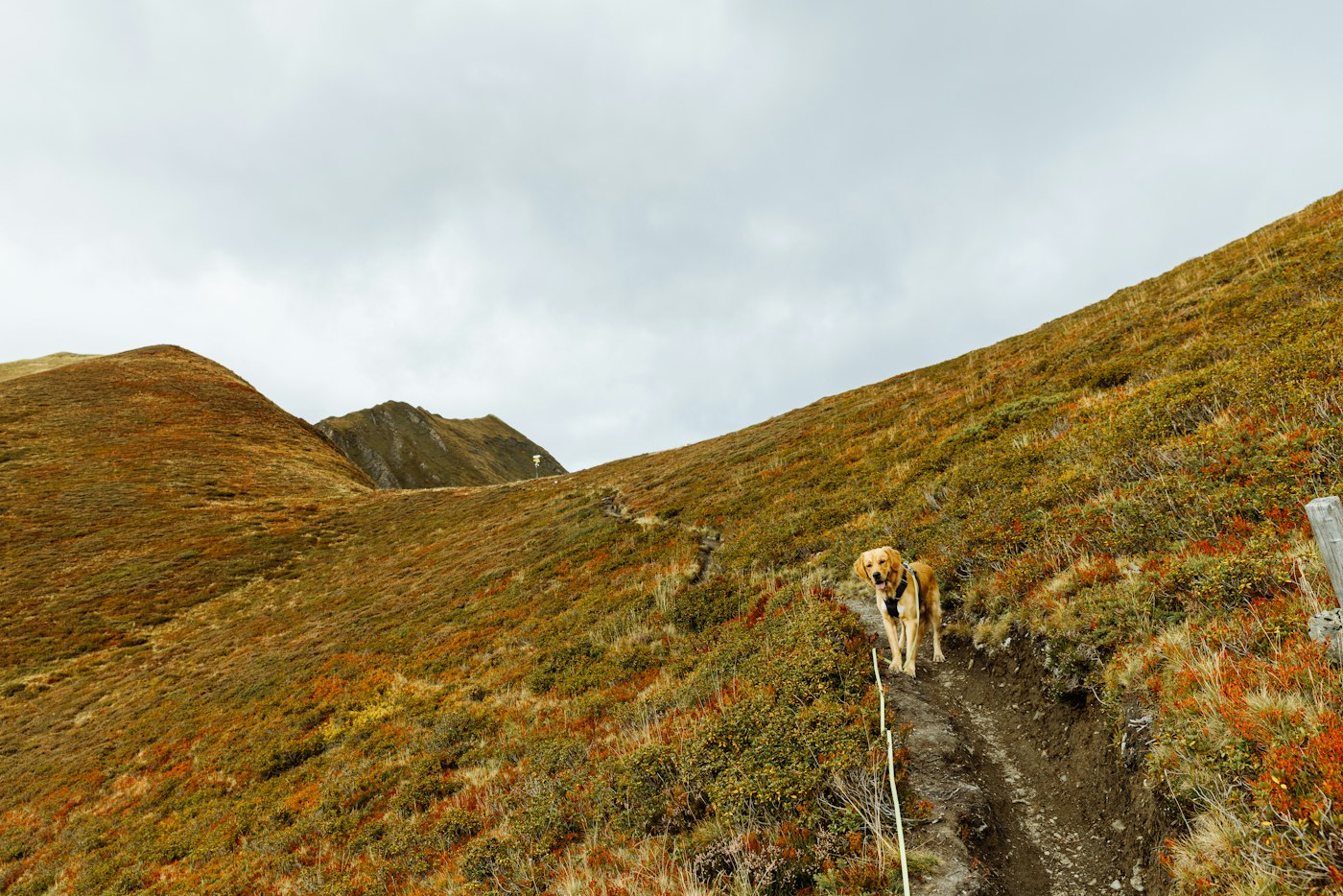
The best summer hike for your dog may not be the same as the best summer hike for you. A sun-baked ridge with spectacular views can be miserable for a dog on a hot afternoon, while a modest, shaded trail along a creek might be perfect. Choosing well is the first step to a good day.
Start with the rules
Pet rules vary widely. Some parks welcome leashed dogs on most trails; others allow dogs only in campgrounds or on paved paths. Many wilderness areas, wildlife refuges and some state parks have their own restrictions. Check the official website for the park or land agency before you go. For national parks, nps.gov lists the pet policy for each park, including where dogs are and are not allowed.
Also check for seasonal closures, which sometimes protect nesting wildlife.
Look for shade and cooler terrain
Shade is one of the most important features of a summer hike. Look for trails that run through forest, follow streams or stay in valleys. Trail descriptions and maps often mention exposure, and photos posted by other hikers can show how much tree cover there is.
Elevation can help too, since higher trails are often cooler, but they can also be more exposed to sun and storms. Wherever you go, check the weather forecast, including heat advisories and the chance of afternoon thunderstorms.
Match the trail to your dog
Think honestly about your dog’s age, fitness and temperament:
- Distance and elevation gain. Choose a hike well within your dog’s current ability. Summer heat makes everything harder.
- Footing. Sharp rock, loose scree and hot slickrock can be tough on paws. Dirt and pine-needle trails are gentler.
- Crowds. Busy trails mean many encounters with people, bikes and other dogs. Quieter trails or weekday hikes may suit a nervous dog better.
- Water. Creeks can be a nice way for a dog to cool their paws, but carry your own drinking water rather than relying on them.
- Hazards. Cliffs, fast water, heavy brush and areas known for snakes or foxtails all deserve consideration.
Time it around the heat
Start early. Morning hikes are usually cooler, quieter and easier on paws. Plan to be done before the hottest part of the day, and build in rest breaks in the shade.
Set a turnaround time and stick to it. Many hikers measure success by reaching the summit, but with a dog, the better goal is coming home with a happy, healthy companion. If your dog starts lagging, seeking shade or panting heavily, that is the signal to rest, offer water and head back.
Pack and plan for the unexpected
Let someone know where you are going. Carry plenty of water, a collapsible bowl, waste bags and a small first aid kit. Make sure your dog wears an ID tag with your current cell number. Save the location of the nearest emergency veterinary clinic before you lose cell service. With a little planning, the right trail can be the best part of your dog’s summer.












