

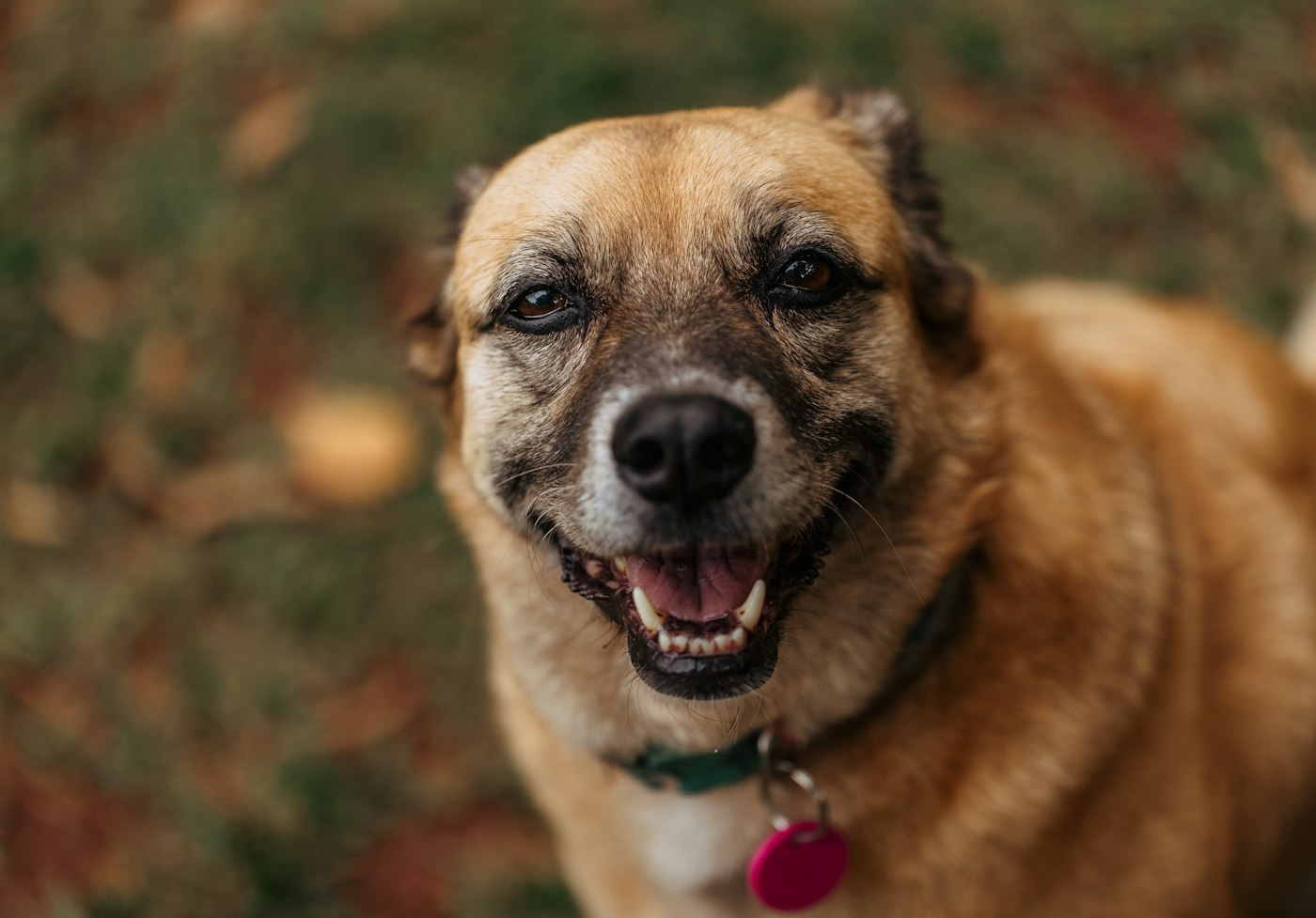
Traditional dog tags hold only as much information as can be engraved on a small piece of metal. QR code tags take a different approach. Instead of listing everything on the tag, they hold a scannable code that links to an online profile. If someone finds your dog, they can scan the code with a phone and see how to reach you. Here is a plain-language look at how these tags work.
What a QR code is
A QR code, short for quick response code, is a square pattern of black and white modules that stores information, most often a web address. QR codes were developed in the 1990s for tracking parts in manufacturing and are now everywhere, from restaurant menus to boarding passes. Most modern smartphones can read them directly through the built-in camera app, without a separate scanner app.
What happens when someone scans the tag
When a finder points a phone camera at the tag, the phone recognizes the code and offers to open a link. That link leads to a web page connected to your dog. Depending on the service, the page may show your dog’s name, a photo, your phone number or a way to message you, and other details you choose to share. Because the information lives online, you can typically update it without replacing the tag, which is useful if you move or change numbers.
What to include on the profile
Think about what a helpful stranger needs to get your dog home quickly:
- Your dog’s name and a clear, current photo
- At least one phone number, ideally two
- Important medical needs, such as a medication schedule or allergies
- A note if your dog is shy or fearful of strangers
- Whether your dog is microchipped
You may not want to share your full home address publicly. Many owners list a phone number and a general area instead. Review the privacy options offered by whichever service you use.
Limitations to know about
A QR tag depends on a few things working. The finder needs a smartphone and a data connection. The code has to stay readable, so scratches, dirt and wear can cause problems. The profile must stay up to date, and the service hosting it must remain active. For these reasons, it is smart to also have your phone number printed or engraved directly on the tag or on a second tag, so someone without a phone can still reach you.
One layer of protection among several
QR tags work best as part of a broader identification plan. A collar tag with readable contact information, a registered microchip with current details and a QR profile together give a found dog the best chance of a quick reunion. PUPWEAR makes QR ID tags because we believe more ways to get home are better than fewer. Whatever tag you choose, scan it yourself every so often to make sure it works and that the information is right.












