

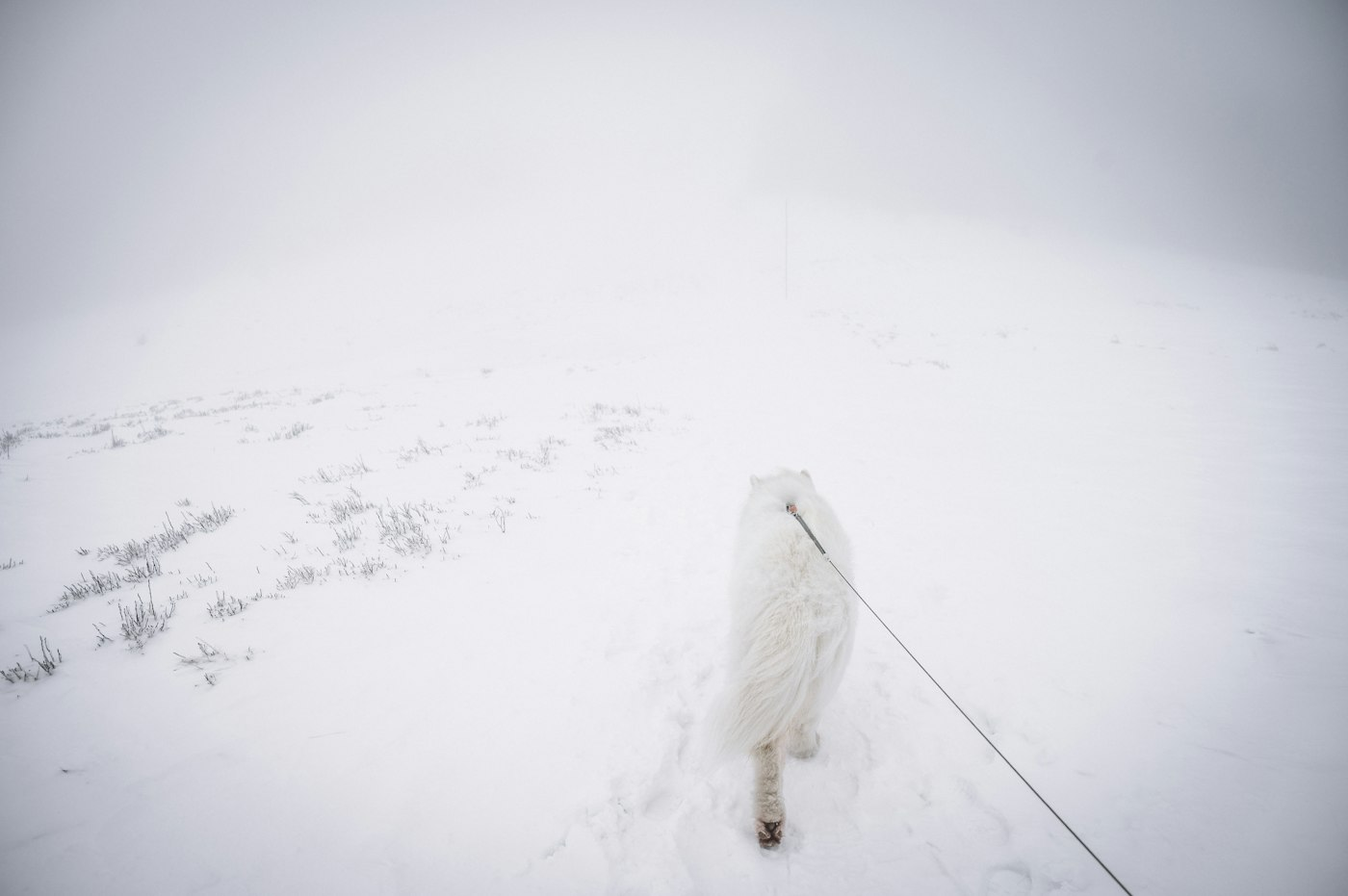
Dogs still need exercise when it is cold, but a walk that is perfect in October can be too much in January. There is no single number of minutes that is right for every dog on every winter day. Instead, the best approach is to weigh a few factors, start conservatively and watch your dog closely. Here is how to think it through.
The dog in front of you
A thick-coated, cold-adapted breed in good health can often handle long walks in chilly weather. A small, short-coated or lean dog may get cold within a few minutes. Puppies, seniors and dogs with health conditions such as arthritis, heart disease or hormonal disorders usually need shorter outings. A coat or jacket can extend comfortable walking time for dogs who feel the cold, but it does not make any dog immune to it. If you are unsure what is appropriate for your dog, ask your veterinarian.
The weather beyond the temperature
Look at more than the thermometer. Wind chill makes cold air feel much colder by carrying heat away from the body. Wet conditions, including freezing rain, sleet and slushy snow, soak fur and skin and speed up heat loss. Bright sun on a still day can make the same temperature feel milder. Ice adds a separate risk: slips and strains for both of you.
A practical approach
On truly cold days, many owners find that several shorter walks work better than one long one. Some ways to adjust:
- Plan routes that loop near home so you can cut a walk short easily
- Walk during the warmest, brightest part of the day when possible
- Keep moving at a steady pace rather than standing around
- Avoid frozen lakes, ponds and rivers entirely
- Bring a towel in the car if you drive to a trail
Start with a shorter walk than usual and extend it only if your dog stays relaxed and comfortable. Pay attention to how your dog acts during the walk and for the rest of the day.
Signs it is time to head home
Dogs often tell us they have had enough. Shivering, lifting paws, a hunched posture, a tucked tail, whining, slowing down, looking for shelter or turning toward home are all signs to cut the walk short. Some dogs are so excited by snow that they ignore the cold, so it is up to you to set limits. If your dog seems very lethargic, weak, confused or has pale or gray skin on the ears, tail or paws after being outside, warm them gently and contact your veterinarian right away.
Make up the difference indoors
Shorter walks do not have to mean a bored dog. Training sessions, sniffing games, food puzzles and play can provide mental and physical exercise without long exposure to the cold. A dog that has used its brain for fifteen minutes is often as content as one that has walked for much longer. Adjusting your routine for the weather is not cutting corners. It is reading the conditions and giving your dog what they need to stay safe, comfortable and happy all winter.












