

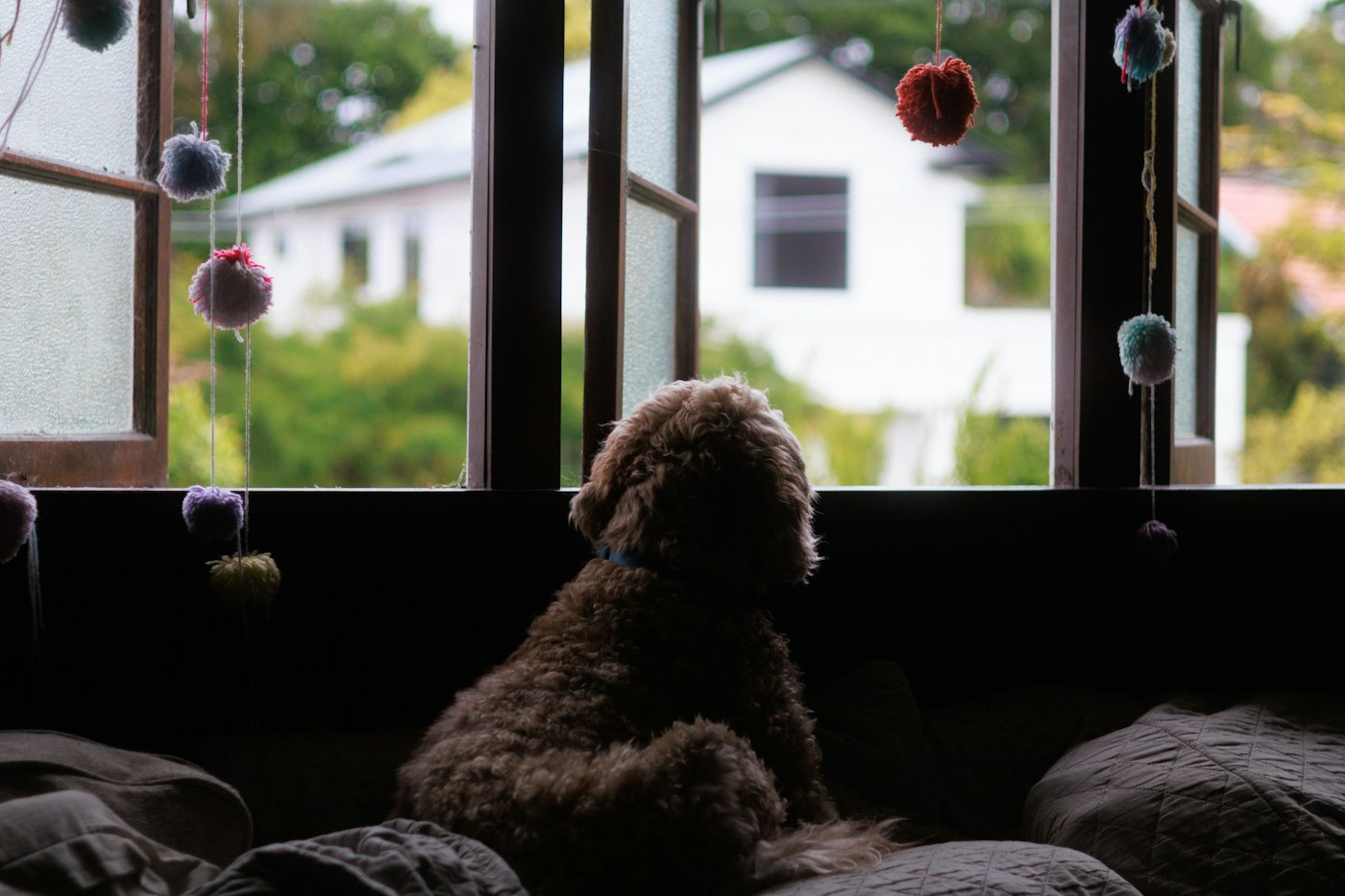
Arriving at a hotel or vacation rental is exciting for people and often confusing for dogs. Hallways echo, doors slam, elevators ding and other guests walk past at all hours. Some dogs take it in stride. Others pace, bark at every noise or struggle to sleep. A little preparation at home and a calm arrival routine can help your dog feel at ease.
Practice Before You Go
The skills that help most in a hotel are ones you can practice at home well before the trip.
- A settle on a mat or bed, so your dog has a clear place to relax
- Comfort in a crate, if you plan to bring one
- A quiet cue, such as rewarding your dog for being calm after a sound
- Short periods alone, if you may need to step out briefly and the hotel allows it
Practice in unfamiliar places too, such as a friend’s house, so your dog gets used to settling somewhere new.
Arrival Routine
When you arrive, take your dog for a walk before going into the room. Let them relieve themselves and sniff around the area. A tired dog adjusts more easily.
Once inside, keep your dog on leash at first and let them explore the room with you. Check for hazards like dropped items under the bed, open balcony doors or accessible minibar snacks. Then set up a familiar spot right away: their bed, blanket or crate, a water bowl and a toy or chew. Familiar smells from home are reassuring.
Managing Noises
Hallway noise is one of the biggest challenges. When your dog notices a sound, calmly reward them for staying quiet before they bark. If they do bark, interrupt gently and redirect them back to their mat with a treat.
Some owners find a white noise app or a fan helps mask hallway sounds. Choose a spot for your dog’s bed away from the door if possible. Room location matters too; a room at the end of a quiet hall or away from the elevator can reduce the number of footsteps passing by.
Keep the Routine Familiar
Stick close to your dog’s normal schedule for meals, walks and bedtime. Bring their usual food rather than buying something new on the road. A predictable routine helps dogs feel secure even when the surroundings are different.
When to Step Out
Check the hotel’s rules before leaving your dog alone in the room, as many do not allow it. If it is allowed, start with very short absences and see how your dog responds. If your dog has a history of anxiety when alone, it is usually best not to leave them in an unfamiliar room at all. Plan dog-friendly activities instead, or find a reputable local daycare if one is available.
Signs that your dog is struggling include persistent barking, scratching at the door, panting, drooling and destructive behavior. If your dog has strong reactions to new places, talk with your veterinarian or a qualified trainer before your next trip. With practice, many dogs come to treat travel as a fun adventure.












