

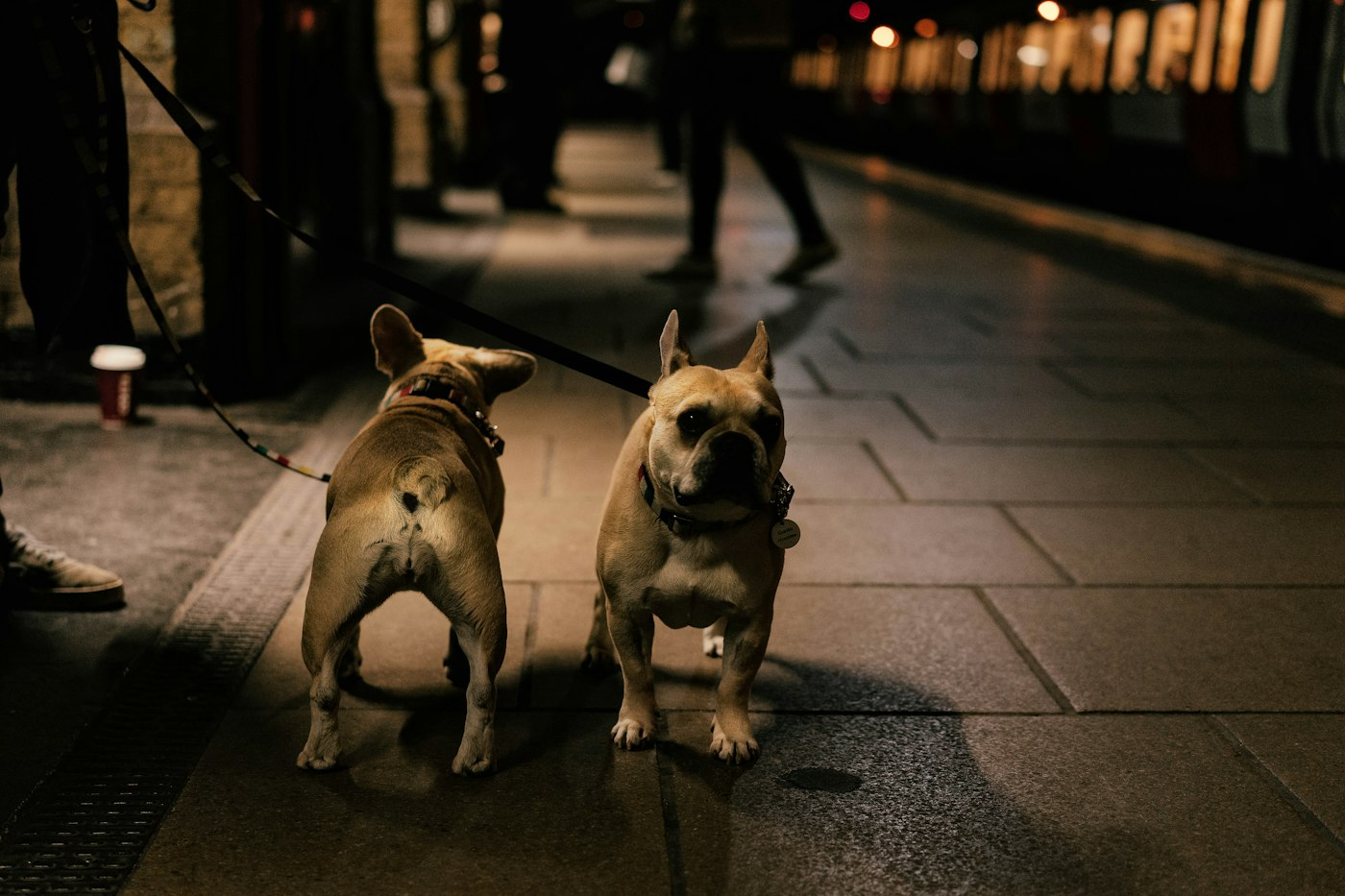
You have found a walker you like. Now comes the part that is easy to overlook: making sure they have everything they need to give your dog a safe, consistent walk. A little preparation before the first visit helps avoid mix-ups and gives your dog a better experience from day one.
Set up a walk station by the door
Pick one spot near the entrance where everything lives. A wall hook, a small basket or a shelf works well. Keep it stocked with:
- Your dog’s everyday leash, plus a backup
- A harness, if your dog walks in one
- Waste bags and a small dispenser
- A few training treats in a sealed container, if you want the walker to use them
- A towel for muddy or wet paws
When everything has a home, the walker does not have to search the house, and your dog gets out the door faster.
Check the gear itself
Equipment that you handle every day can wear without you noticing. Before handing it to someone new, look it over closely. Check leash clips for smooth, secure closing and inspect stitching for fraying. Make sure your dog’s collar fits properly, with room for about two fingers underneath, and that buckles and D-rings are solid. If your dog wears a harness, confirm that it is adjusted correctly and that the walker knows how to put it on. A quick demonstration is often easier than written instructions.
The ID tag matters even more when someone else is walking your dog. Make sure the tag or QR profile is current, lists a phone number you will answer during the workday, and is attached securely to the collar.
Write a one-page guide
Give your walker the information they need on a single sheet or a shared note:
- Your dog’s name, age and any medical conditions
- Feeding instructions, if they will be giving a meal
- Habits on walks, such as pulling, lunging at squirrels or fear of loud trucks
- Cues your dog knows, like sit, wait or leave it
- Places to avoid, such as a yard with a loose dog or a street with heavy traffic
- Your contact information, a backup contact, your veterinarian and the nearest emergency clinic
Add anything about your home, too: how to lock up, where the light switches are and which doors must stay closed.
Prepare your dog
Some dogs are thrilled to see a new face. Others are cautious. Arrange an introduction while you are home so your dog can meet the walker calmly. Let the walker offer a treat and take a short walk with you nearby. During the first week, check in with the walker about how things went and adjust instructions as needed. Small details, like which pocket the treats are in or the best route to avoid a barking dog, help everyone settle in.












