

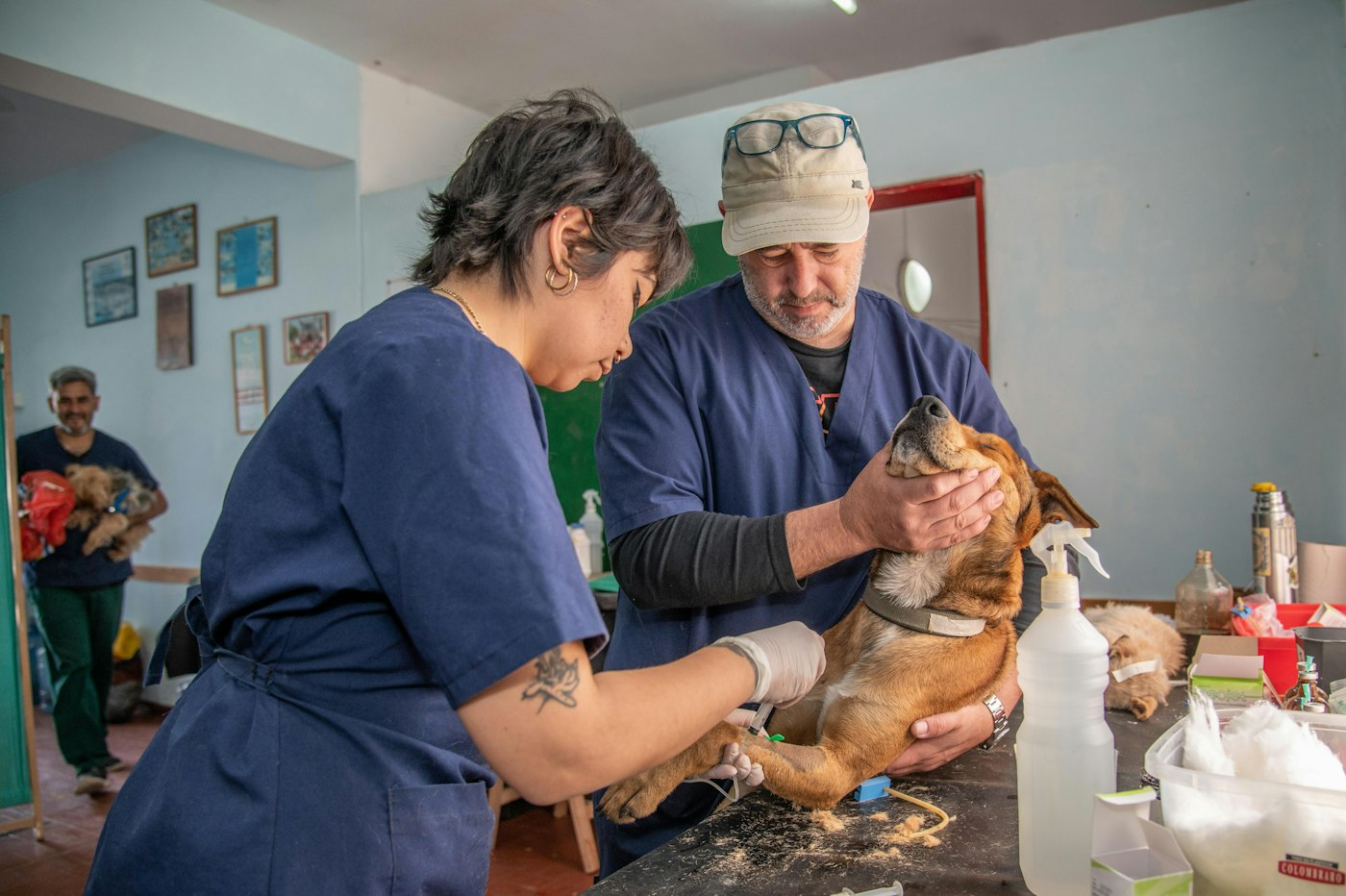
Late summer is a natural time to look at the calendar and see whether your dog is due for a wellness exam. These routine visits are about more than vaccines. They give your veterinarian a chance to look at your dog from nose to tail, spot changes you might not notice and answer questions about everyday care. Coming prepared helps you make the most of the time.
What usually happens at a wellness exam
Every clinic does things a little differently, but a typical checkup includes a weight check, a look at the eyes, ears, mouth and teeth, listening to the heart and lungs, feeling the abdomen and lymph nodes, examining the skin and coat, and checking joints and movement. Your veterinarian may recommend vaccines, parasite prevention, screening tests or bloodwork depending on your dog’s age, lifestyle and health history.
Bring notes about everyday life
Your veterinarian sees your dog for a short time. You see your dog every day. Before the visit, write down anything you have noticed:
- Changes in appetite, thirst, weight or energy
- Changes in bathroom habits, including frequency or consistency
- Coughing, sneezing, vomiting, scratching or limping
- New lumps, bumps or skin changes
- Behavior changes, such as anxiety, irritability or restlessness at night
Include the brand and type of food, treats, supplements and medications your dog takes, along with amounts. Photos of labels can save time.
Bring the right items
- Vaccine and medical records, if you are seeing a new clinic
- A fresh stool sample, if your clinic requests one
- Short videos of unusual behaviors, like a limp or a strange cough
- High-value treats to make the visit more pleasant
- Your list of questions
Keep your dog on a secure leash and well-fitted collar or harness in the waiting room, which can be a busy place with nervous animals.
Make the visit less stressful
Many dogs find vet visits stressful. Some clinics offer approaches designed to reduce fear, such as treats during handling, quiet rooms or waiting in the car until the exam room is ready. Ask what your clinic offers. At home, you can practice gentle handling of paws, ears and mouth, paired with treats, so being touched feels more familiar. Happy visits, where you stop by the clinic just for a treat and a friendly hello, can help too, if your clinic welcomes them.
Leave with a plan
Before you go, make sure you understand any recommendations, when the next vaccines or tests are due and what signs should prompt a call. Ask for written instructions if you need them. Add upcoming dates to your calendar so nothing slips through the cracks once the busy fall season sets in.
After the visit, take a minute to update your own records at home. Note your dog’s current weight, any new medications and the date of the next appointment. If your dog wears an ID tag or QR tag with a profile, this is a good moment to confirm that the information about your veterinarian and any medical notes is still accurate. Small habits like these make every future visit smoother.












