

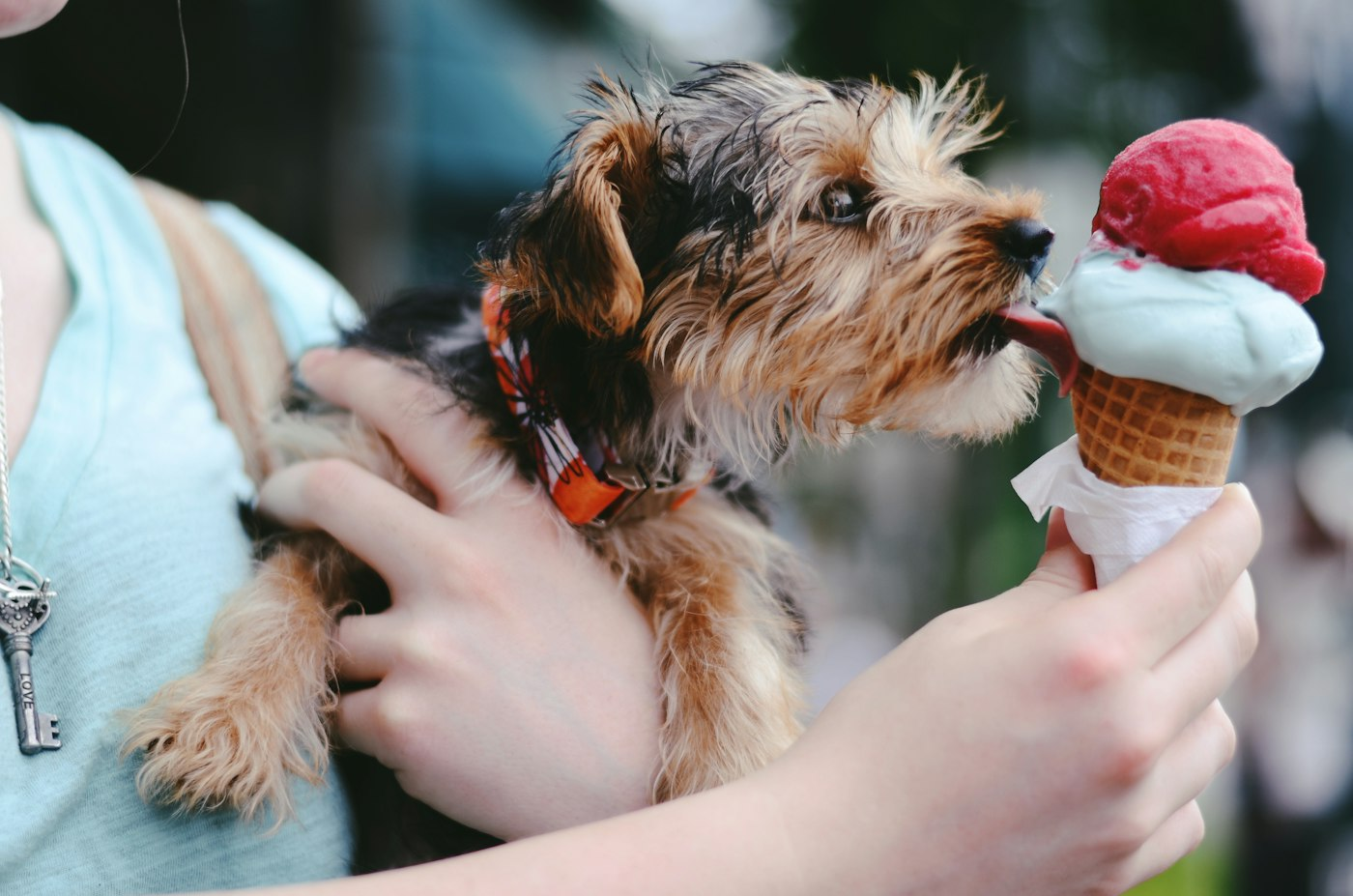
On a hot day, a frozen treat can give a dog something cool to lick and something interesting to work on. Homemade versions are easy to make, and you control exactly what goes in them. The key is choosing ingredients that are safe for dogs and keeping portions modest.
Before introducing new foods, check with your veterinarian, especially if your dog has allergies, a sensitive stomach, diabetes, pancreatitis or a special diet.
Ingredients many dogs can enjoy
These are commonly used in dog-friendly frozen treats, in small amounts:
- Plain, unsweetened pumpkin puree (not pumpkin pie filling).
- Seedless watermelon, without the rind.
- Blueberries.
- Plain cooked chicken, without seasoning, bones or skin.
- Bananas, in small pieces.
- Low-sodium broth made without onion or garlic.
- Plain unsweetened yogurt, for dogs who tolerate dairy.
Peanut butter is popular too, but read the label carefully. Choose one without xylitol, which is toxic to dogs, and use it sparingly, since it is high in fat.
Ingredients to avoid
- Xylitol, an artificial sweetener found in some peanut butters, yogurts and sugar-free products.
- Grapes and raisins.
- Chocolate and cocoa.
- Onions, garlic, chives and leeks, including powders and broths made with them.
- Macadamia nuts.
- Caffeine and alcohol.
- Fruit pits, seeds and stems, such as those from cherries, peaches and apples.
When in doubt, leave it out. The ASPCA Animal Poison Control Center publishes lists of foods that can be harmful to pets, and your veterinarian can answer specific questions.
Simple ideas to try
- Frozen broth cubes. Freeze low-sodium, onion-free broth in an ice cube tray.
- Fruit pops. Blend a little watermelon or blueberries with water and freeze in small molds.
- Stuffed rubber toys. Fill a hollow chew toy with pumpkin or plain yogurt and freeze it for a long-lasting treat.
- Lick mat freeze. Spread a thin layer of a safe ingredient on a lick mat and freeze it.
- Ice chunks. Plain ice is fine for many dogs, though aggressive chewers may be better with ice shavings, since hard ice can be rough on teeth. Ask your vet if you have concerns.
Keeping treats in balance
Treats add calories, and summer often means less exercise. A common guideline is that treats should make up only a small portion of a dog’s daily calories. Use small molds, and cut back on regular treats on days you serve frozen ones.
Freeze treats in portions sized for your dog. A large dog may handle a full cup-sized frozen toy, while a small dog needs something closer to the size of an ice cube. Label containers in the freezer so nobody mistakes a dog treat for a human snack, or the other way around. Introduce one new ingredient at a time, in a small amount, and watch for vomiting, diarrhea or itching. Supervise your dog with frozen toys and treats, and pick up anything that breaks into pieces small enough to swallow whole. Serve treats in a shaded spot where melting mess will not matter, and enjoy watching your dog cool off.












