

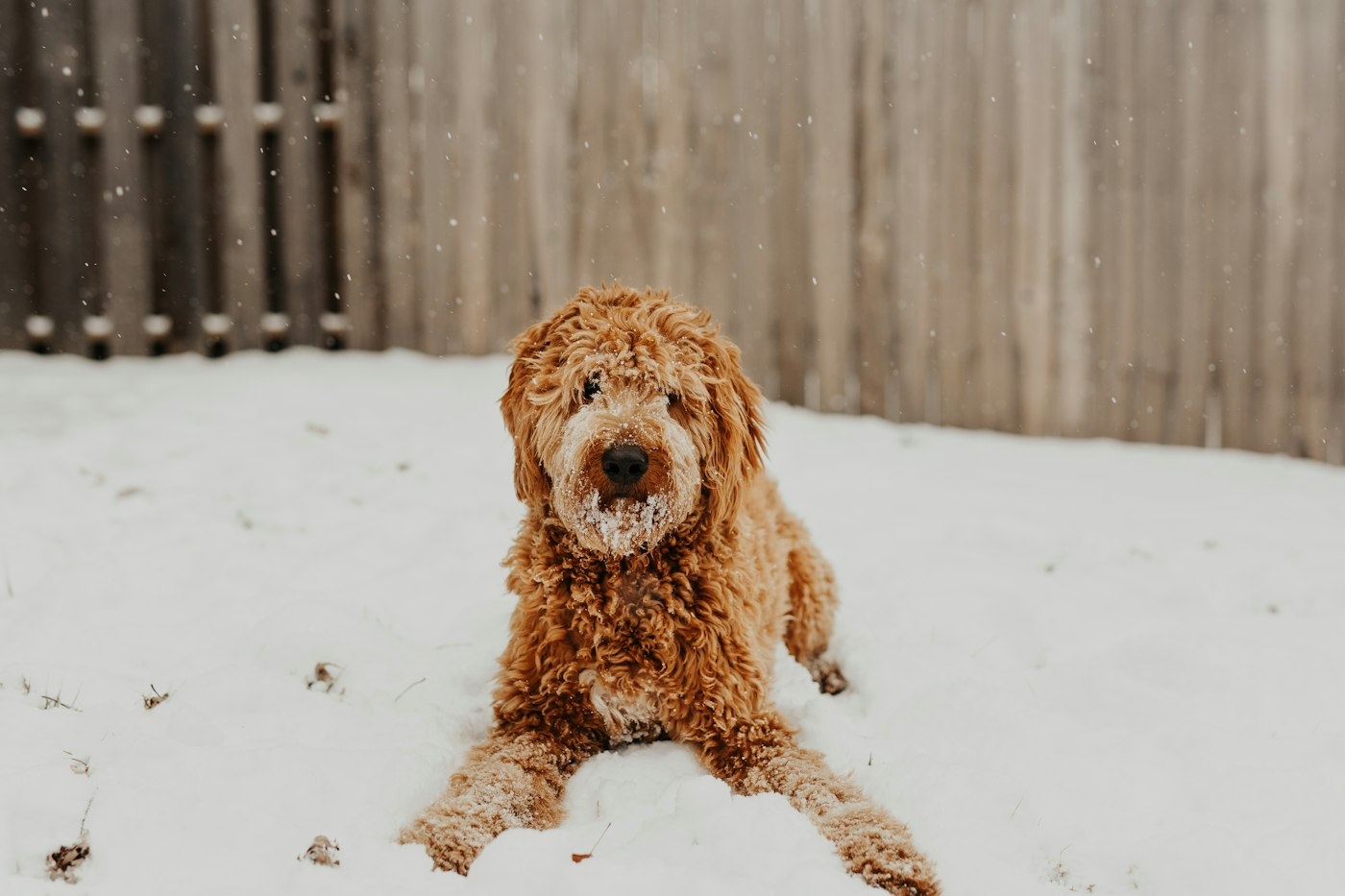
Doodles are loved for their soft coats and teddy-bear looks, and part of that look comes from their floppy, fluffy ears. Those ears can need a bit more attention than the upright ears of some other dogs. Ear flaps that fold over the canal, combined with hair growing inside, can limit airflow and trap moisture, wax and debris. With spring bringing more outdoor time and, soon, swimming, it is a good time to build a simple ear care routine.
Make Ear Checks a Habit
The easiest way to catch problems early is to look at and gently sniff your dog’s ears regularly, perhaps once a week or after baths and swims. Lift the ear flap and look inside. Healthy ears generally look clean and light pink, with no strong odor.
Signs worth a call to your veterinarian include:
- Redness, swelling or heat
- Dark, waxy, crusty or discolored discharge
- A strong or unusual smell
- Frequent head shaking or ear scratching
- Rubbing the head on the floor or furniture
- Pain when the ear is touched
- Tilting the head or loss of balance
These can be signs of an ear infection or other issue that needs proper diagnosis and treatment. Do not try to treat a painful or infected ear at home.
Cleaning, Gently
Not every dog needs routine ear cleaning, and overcleaning can irritate the ear. Ask your veterinarian how often your dog’s ears should be cleaned and which cleaner to use. When cleaning is recommended, the general approach is:
- Use an ear cleaner made for dogs.
- Fill the canal as directed on the product, then gently massage the base of the ear.
- Let your dog shake their head, which helps bring debris up.
- Wipe away loosened debris from the visible part of the ear with a cotton ball or gauze.
Avoid cotton swabs deep in the ear canal, since they can push debris further in or injure the ear. Never use substances not intended for dog ears.
The Question of Ear Hair
Many doodles grow hair inside the ear canal. Some groomers routinely pluck it, while some veterinarians now recommend leaving it alone unless it is causing problems, since plucking can irritate the canal. This is a good topic to raise with your veterinarian, who knows your individual dog’s ear history. Trimming hair around the opening of the ear, rather than inside the canal, can help with airflow and is something many groomers do.
After Swimming and Baths
Water in the ears can create a damp environment that some dogs are prone to problems with. After baths, swims or rainy walks, gently dry the outer ear with a towel. Your veterinarian may recommend a drying ear cleaner for dogs who swim often.
During baths, some owners place a cotton ball loosely at the opening of each ear to keep water out, then remove it afterward. Be sure to take them out.
Allergies and Ears
In many dogs, recurring ear problems are linked to underlying issues such as allergies. If your doodle seems to have ear trouble again and again, ask your veterinarian about looking for a root cause rather than treating each episode on its own.












