

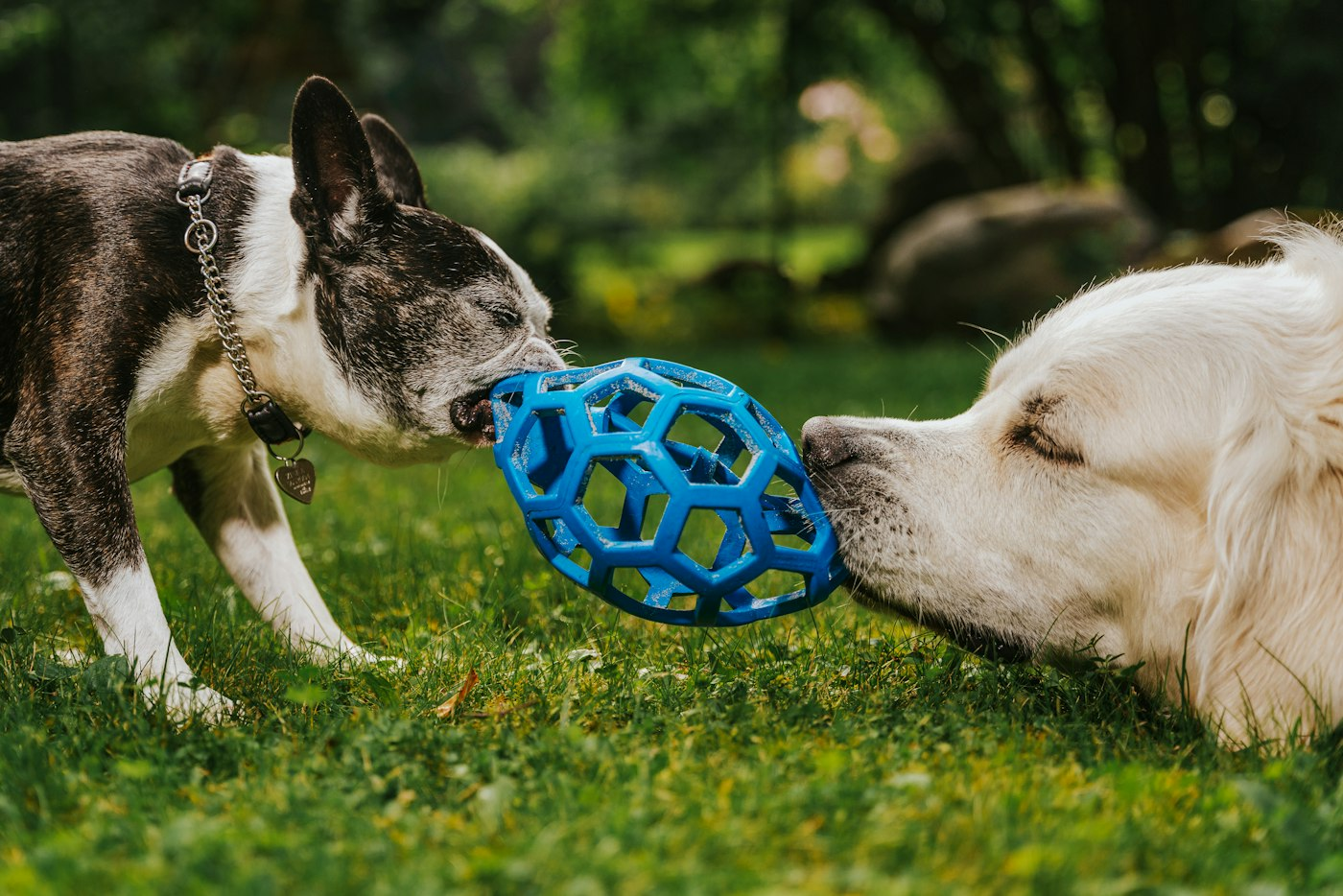
When spring arrives, dog parks fill up with dogs and owners eager to get outside. A good visit can be great exercise and fun for a social dog. A bad one can leave a dog frightened or hurt. Much of the difference comes down to etiquette: how people manage their dogs, read the situation and respect the space. Here is what to keep in mind.
Before you go
Make sure your dog is a good candidate. Dog parks suit dogs who are friendly with unfamiliar dogs, comfortable in busy environments and responsive to their owner. They are not a good fit for every dog, and that is fine. Dogs who are fearful, reactive or uncomfortable around strangers may do better with walks or play with a few known dog friends.
- Check that your dog’s vaccinations and parasite prevention are up to date. Ask your veterinarian what is recommended where you live.
- Young puppies who have not finished their vaccination series should generally wait. Ask your vet when it is appropriate.
- Read the park’s posted rules. Many parks set requirements for vaccinations, licenses, age and the number of dogs per person. Check your city or park district’s website for details.
- Make sure your dog wears a collar with current ID.
Arriving and entering
Look before you enter. Watch the dogs inside for a minute or two. Is the play relaxed, or is a group chasing or ganging up on one dog? Is the park crowded? If it does not look right for your dog, come back another time.
Many parks have a double-gated entry. Close the outer gate before opening the inner one. Arriving dogs often get mobbed at the gate, which can be stressful, so move away from the entrance quickly once inside. Many owners remove the leash in the entry area, since a leashed dog among loose dogs can feel trapped.
While you are inside
- Watch your dog the whole time. Put your phone away and stay close enough to step in.
- Pick up after your dog right away.
- Leave toys and food at home if they could cause tension between dogs.
- Interrupt rough play early, before it escalates. A short break or a recall can reset things.
- Respect other dogs’ boundaries. If your dog is pestering a dog who wants to be left alone, call your dog away.
- Supervise children closely, or leave them outside the fence if the rules require it.
Knowing when to leave
Leave if your dog seems stressed, overwhelmed or overexcited, or if another dog is bullying yours. Signs that your dog has had enough include hiding behind you, trying to leave, constant fleeing or stiff, tense body language. It is also fine to leave if a particular dog’s behavior worries you. You do not owe anyone an explanation.
If something goes wrong
Scuffles can happen even in well-run parks. If dogs fight, avoid reaching in with your hands near their heads, since owners are often bitten this way. Many parks post guidance for breaking up fights; read it in advance. Afterward, check your dog carefully, since puncture wounds can be hidden under fur, and contact your veterinarian about any injury. Exchange contact information with the other owner if needed.












