

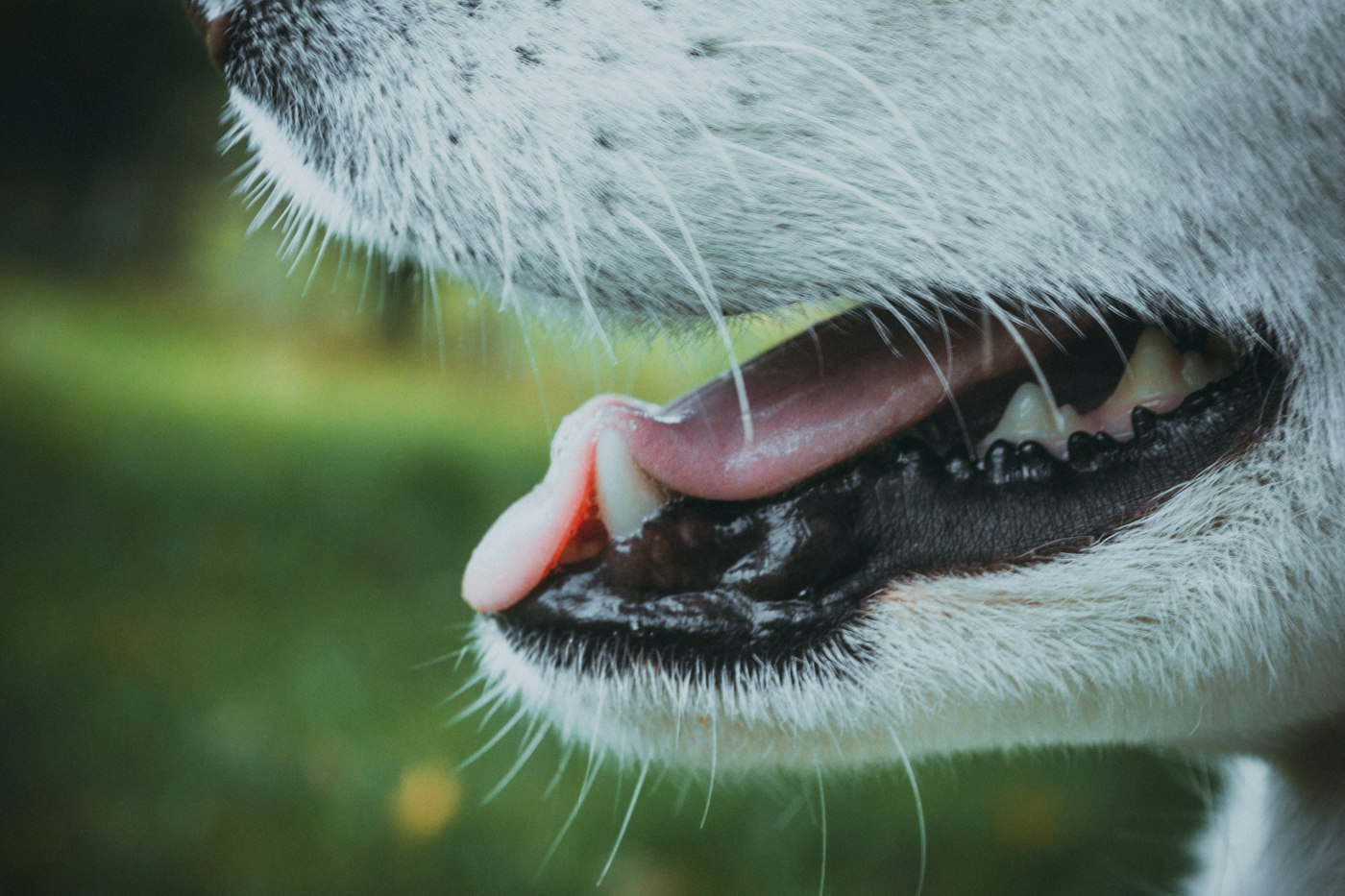
Dog breath has a reputation, but strong or unusual mouth odor is not something to simply accept. Dental disease is common in dogs, and it can affect comfort and overall health. The good news is that a combination of home care and regular veterinary checks goes a long way. Your veterinarian can tell you what your dog’s mouth needs and how often.
Why dental care matters
Like people, dogs develop plaque, a sticky film of bacteria, on their teeth. Over time, plaque can harden into tartar and contribute to inflammation of the gums. Left unaddressed, dental disease can be painful and may lead to tooth loss. Many dogs hide mouth pain well, continuing to eat even when they are uncomfortable. That is why regular dental checks by your veterinarian are so important.
Signs to watch for
- Persistent bad breath
- Red, swollen or bleeding gums
- Yellow or brown buildup on the teeth
- Dropping food, chewing on one side or reluctance to eat hard food
- Pawing at the mouth or rubbing the face
- Loose or broken teeth
If you notice any of these, schedule a visit with your veterinarian.
Brushing at home
Daily brushing is widely considered one of the most effective forms of home dental care. Use a toothbrush designed for dogs, or a finger brush, and a toothpaste made for dogs. Never use human toothpaste, which may contain ingredients that are unsafe for dogs to swallow.
Start slowly. Let your dog lick a little toothpaste from your finger. Then gently rub a finger along the outer surfaces of the teeth and gums. Over several days, introduce the brush and focus on the outer surfaces, especially the back teeth. Keep sessions short and positive, and reward your dog afterward. Even a few times a week is better than nothing.
Chews, diets and other products
Dental chews, certain dental diets and water additives can help as part of a routine. The Veterinary Oral Health Council, a nonprofit organization, reviews products and awards a seal to those that meet its standards for helping control plaque or tartar. Ask your veterinarian which products are appropriate for your dog’s size and chewing habits. Avoid very hard items such as antlers, bones or hard nylon chews unless your vet approves them, since they can break teeth.
Professional cleanings
Even with good home care, many dogs eventually need a professional dental cleaning. These are typically done under general anesthesia so the veterinary team can clean below the gumline, take dental X-rays and examine each tooth safely. Your veterinarian will discuss pre-anesthetic testing and what to expect. Anesthesia-free cleanings are sometimes advertised, but many veterinary organizations caution that they cannot address problems below the gumline. Talk to your vet about the best plan for your dog’s teeth.
It also helps to look in your dog’s mouth yourself now and then. Lift the lips gently during a calm moment, praise your dog and offer a treat. You will get familiar with what normal looks like, and your dog will get used to having its mouth handled, which makes brushing and vet exams easier for everyone.












