

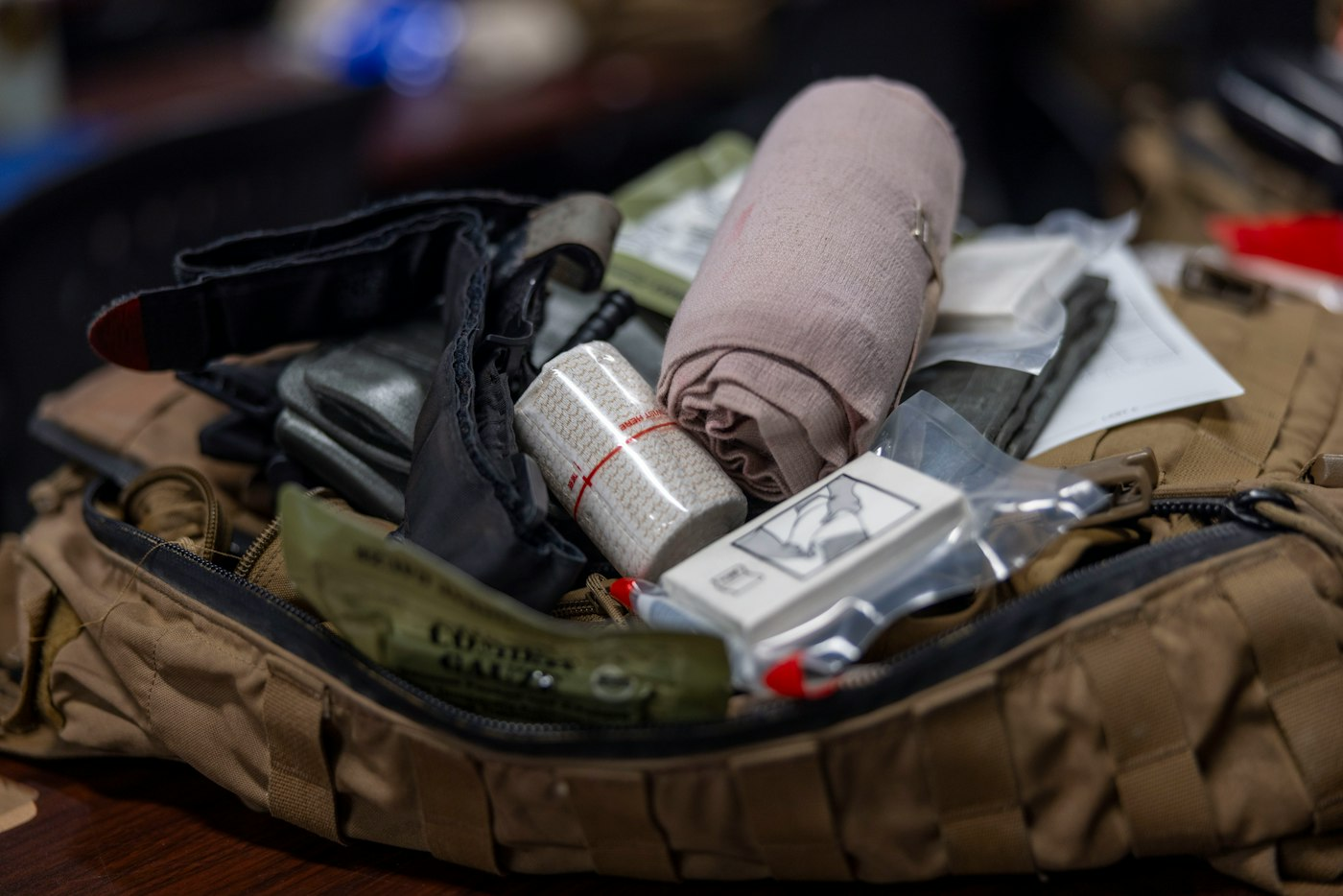
Most dog emergencies start with an ordinary moment: a cut paw on a trail, a torn nail on the patio, a dog that ate something it should not have. Having basic supplies in one place lets you respond calmly instead of searching through drawers. A kit is not a substitute for veterinary care, but it can help you manage minor problems and keep your dog comfortable while you get professional help.
The core supplies
Start with a sturdy, waterproof container that is easy to grab. A small tackle box, a zippered pouch or a clear plastic bin all work. Inside, consider:
- Gauze pads and rolls, plus self-adhering wrap that sticks to itself but not to fur
- Adhesive medical tape and blunt-tipped scissors
- Saline solution for flushing debris from wounds or eyes
- Clean towels and a few disposable gloves
- Tweezers and a tick removal tool
- A digital thermometer reserved for your dog
- A spare slip leash and a soft muzzle or a strip of gauze to use as one
- Styptic powder for minor nail bleeding
- A small flashlight
- An instant cold pack
Avoid adding human medications unless your veterinarian has specifically told you what to use and how much. Many common pain relievers and other over-the-counter drugs can be dangerous for dogs.
Paperwork and phone numbers
The most useful item in your kit may be a single laminated card. Write down your regular veterinarian’s phone number and address, the nearest 24-hour emergency hospital, and an animal poison control hotline such as the ASPCA Animal Poison Control Center. Add your dog’s age, approximate weight, any medications and known allergies. If you keep vaccination records digitally, note where they are stored. Updating this card every time something changes keeps it useful.
A second kit for the car
A smaller version in the car is handy for road trips, park visits and hikes. Include a collapsible water bowl, a gallon of water, a spare leash and collar with an ID tag, a towel, gauze and wrap, and a copy of the contact card. A blanket can double as a stretcher for a medium or large dog if you need to move an injured animal.
Keeping the kit ready
Supplies expire and get borrowed. Set a reminder to check the kit a couple of times a year. Replace anything used, check expiration dates on saline and ointments your vet recommended, and make sure the thermometer still has a working battery. Store the home kit somewhere everyone in the family knows about, and walk through its contents with older kids and anyone who regularly cares for your dog.
Know what the kit cannot do
A kit is for small problems and for buying time. Breathing trouble, collapse, seizures, heavy bleeding, a swollen or tight belly, suspected poisoning or any significant injury calls for a veterinarian right away. If you are not sure whether something is an emergency, call your vet or the nearest emergency clinic and describe what you are seeing. Many owners also find that a pet first aid class, sometimes offered by local animal organizations, builds the confidence to use these supplies well.












