

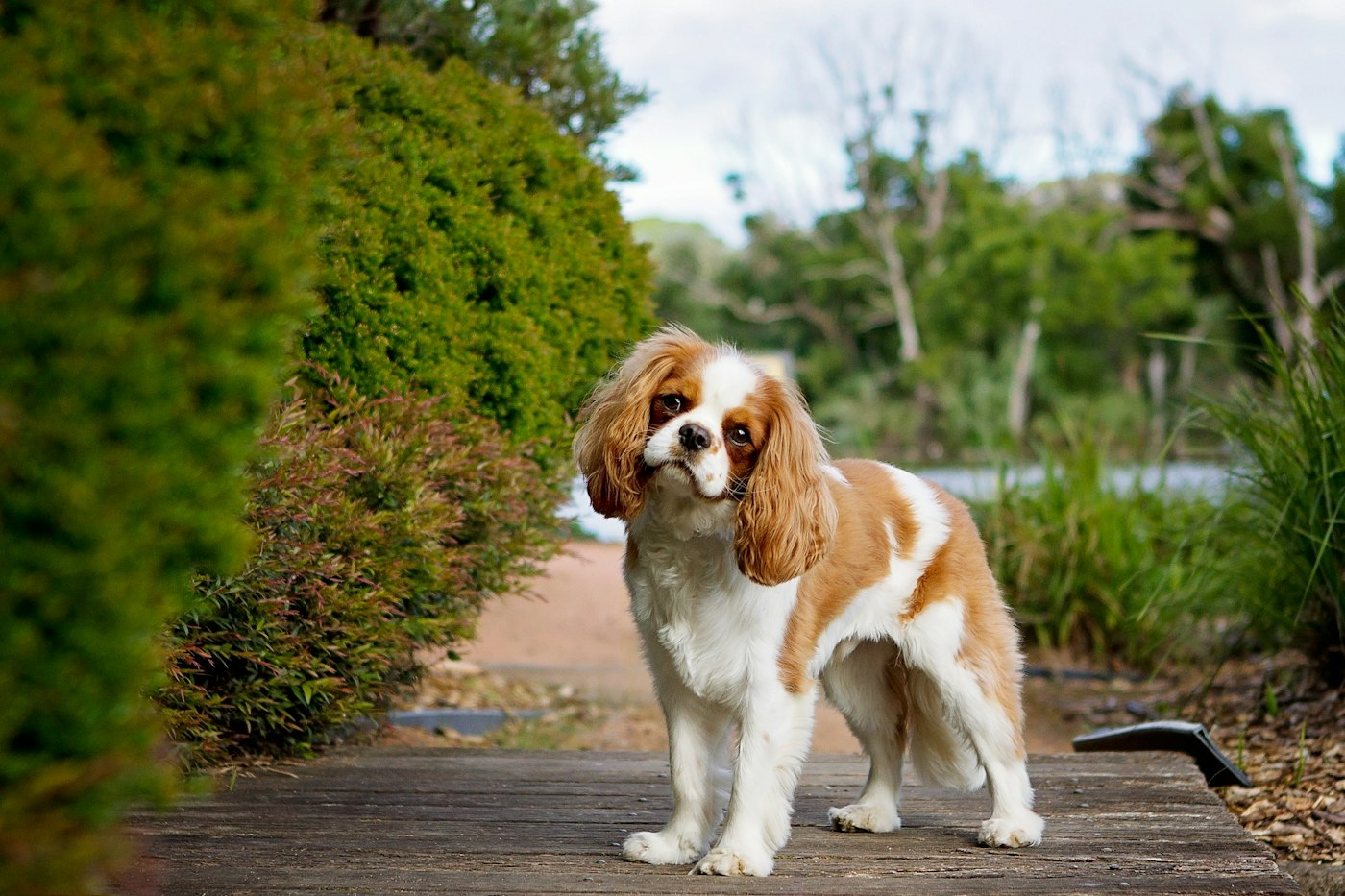
With its silky coat, soft eyes and feathered ears, the Cavalier King Charles Spaniel looks like it stepped out of an old painting, and in a sense it did. This affectionate toy spaniel is known for its gentle, people-loving nature and adaptability to many kinds of homes.
A royal name and a modern revival
Small spaniels were favorites of European nobility for centuries, and toy spaniels appear in many paintings from the 1600s and 1700s. They became closely associated with King Charles II of England, who was known for his devotion to them, and the breed’s name honors him.
Over time, the popular toy spaniels in England were bred to have flatter faces and rounder heads. In the 1920s, an effort began to bring back the longer-nosed type seen in older paintings. The dogs that resulted became the Cavalier King Charles Spaniel, a breed distinct from the English Toy Spaniel, known in the United States as the King Charles Spaniel.
Temperament
Cavaliers are typically affectionate, gentle and eager to please. Many are friendly with strangers, other dogs and children, which helps make them popular family companions. They usually like to be close to their people and may follow you from room to room. Because they bond so closely, some Cavaliers find long stretches alone difficult.
Despite their toy size, Cavaliers have spaniel roots and often enjoy sniffing, chasing birds and exploring. A secure leash and fenced areas are important, since a passing butterfly or squirrel can be very tempting.
Coat and grooming
The Cavalier has a medium-length, silky coat with feathering on the ears, chest, legs and tail. Recognized colors include:
- Blenheim, chestnut and white
- Tricolor, black and white with tan markings
- Ruby, a solid rich red
- Black and tan
Brush a few times a week to prevent tangles, especially behind the ears and on the feathering. Keep the hair between the paw pads trimmed and check the long ears regularly for debris or odor. Cavaliers are typically left natural rather than heavily clipped.
Exercise and health care
Cavaliers enjoy daily walks and play, and they are adaptable to many lifestyles. Some are content with moderate activity, while others enjoy longer outings and dog sports like agility or rally. Keeping a Cavalier at a healthy weight matters, since they enjoy food. The breed is known to be affected by certain inherited conditions, so ask breeders about health screening for parent dogs and talk with your veterinarian about regular checkups and what to watch for over time.
Gear notes
A lightweight, soft collar and a well-fitted harness suit the Cavalier’s small frame. Choose gear that will not tangle the silky coat or rub the feathering on the chest. A small, clearly readable ID tag or QR tag is a good idea for a friendly dog that may happily wander off after a promising scent.












