

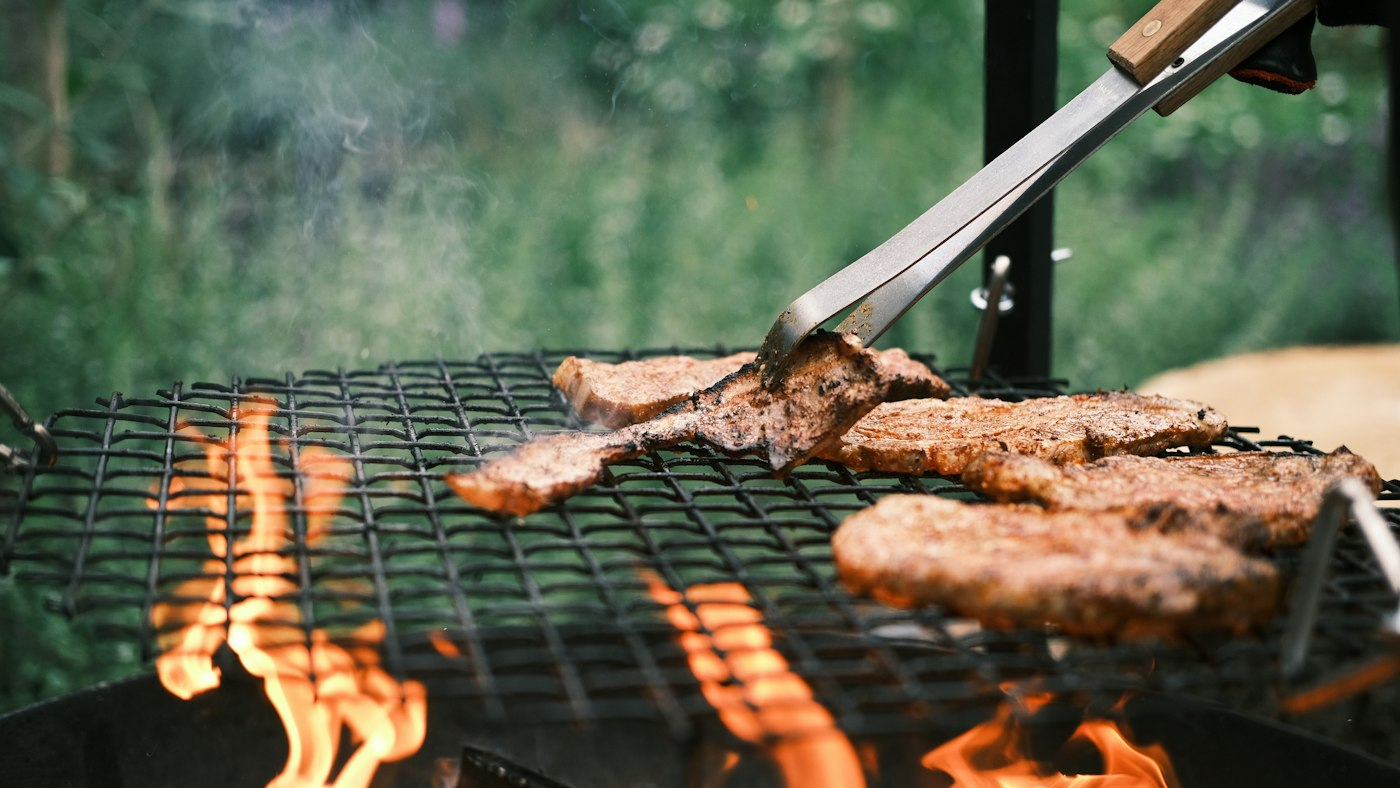
To a dog, a backyard barbecue is a feast of irresistible smells. Unfortunately, many of the foods and objects involved in a cookout can cause serious problems if swallowed. Knowing the most common hazards helps you plan ahead and enjoy the party without an emergency trip to the vet.
Corn cobs
Corn cobs are one of the classic summer hazards. Dogs often swallow them in large pieces, and cobs do not break down easily. A cob can get stuck in the stomach or intestines and cause a blockage, which may require surgery.
Dispose of cobs in a sealed trash can that your dog cannot reach, and remind guests not to toss them on plates left at dog height.
Bones, skewers and food wrappings
- Cooked bones. Rib bones, chicken bones and other cooked bones can splinter, causing injuries to the mouth, throat or digestive tract, or blockages.
- Skewers and toothpicks. Kebab skewers often smell like meat, which makes them tempting. Swallowed skewers can puncture the digestive tract.
- Foil, plastic wrap and string. Wrappings and butcher’s twine soaked in meat juices can be swallowed and cause blockages.
- Fatty scraps and drippings. Rich, fatty foods can cause stomach upset and, in some dogs, a serious condition called pancreatitis.
Leftovers are part of the risk. Platters left out after the meal, a trash bag set down by the back door and plates stacked on a low cooler are all easy targets for a patient dog. If you think your dog has swallowed any of these, call your veterinarian right away. Signs of trouble can include vomiting, drooling, a painful belly, lethargy or not eating, but problems are not always obvious at first.
Toxic foods common at cookouts
Several popular cookout foods contain ingredients that are harmful to dogs:
- Onions and garlic, in salads, burgers, marinades and seasonings.
- Grapes and raisins, in fruit salads and side dishes.
- Chocolate, in desserts.
- Xylitol, in some sugar-free desserts and gum.
- Alcohol, in drinks left on low tables.
- Salty snacks, in large amounts.
The grill and fire itself
Hot grills, fire pits, lighter fluid and charcoal are hazards too. Keep your dog well away from cooking areas, and never leave a hot grill unattended. Dispose of used charcoal and ashes only after they are completely cool, in a container your dog cannot reach. Keep lighter fluid and matches stored securely.
The simplest approach is to give your dog a safe place away from the action while the grill is going, such as a cool room indoors with water and a chew toy, or a shaded spot on a leash with a family member in charge. When guests arrive, assign one person to keep an eye on the dog, and clear plates and trash promptly. Your dog may miss out on the scraps, but they will not miss the emergency vet visit.












