

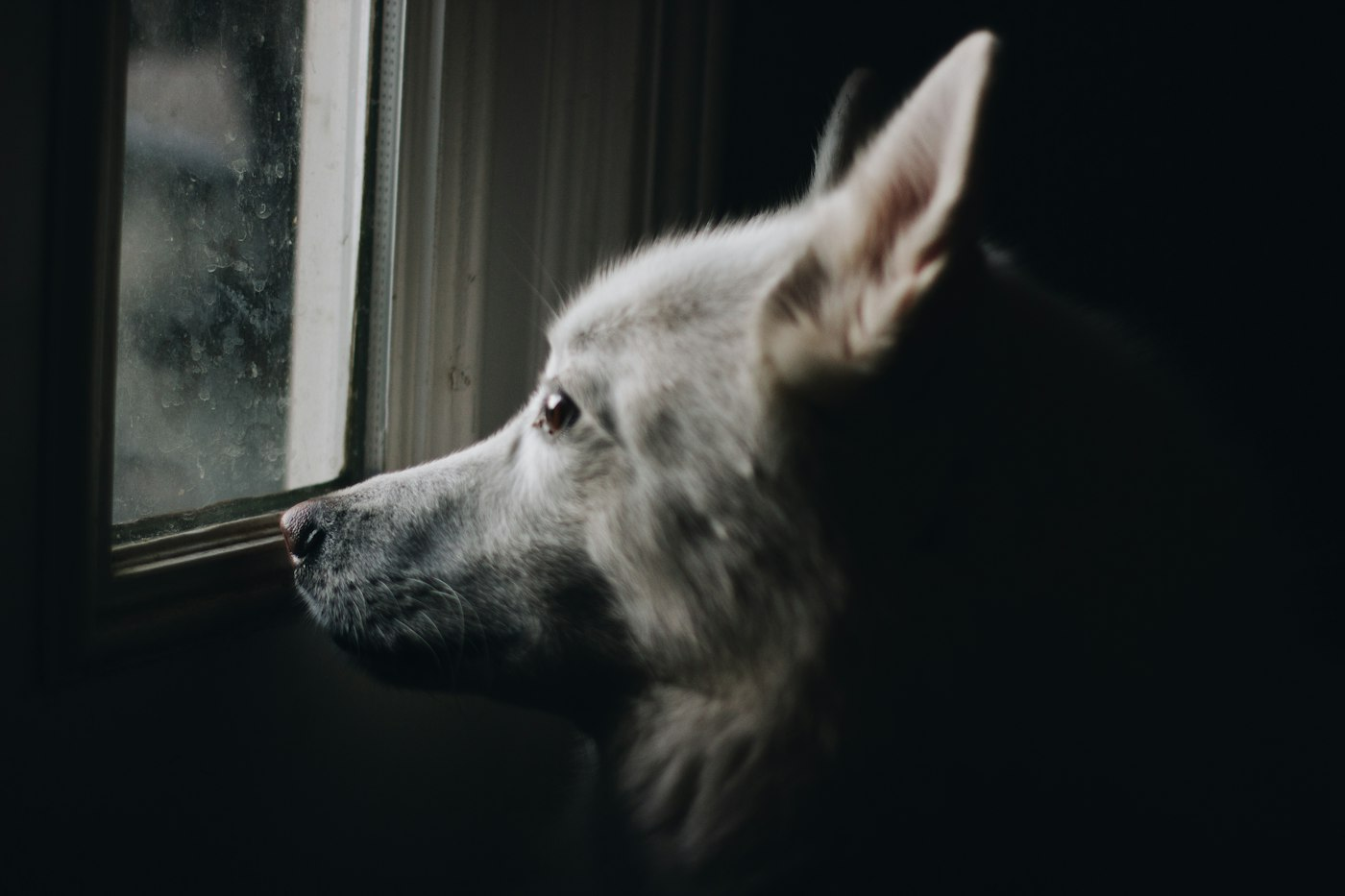
For many dogs, summer means a full house. Kids are home, schedules are loose and someone is usually around for a game in the yard. Then school starts, and almost overnight the house goes quiet for hours at a time. Some dogs barely notice. Others pace, whine, chew or wait by the door. A little planning in the last weeks of summer can help your dog settle into the new rhythm.
Why the change can be hard
Dogs are creatures of habit. They learn when meals happen, when walks happen and when their people come and go. A sudden shift from constant company to long stretches alone breaks those patterns all at once. Some dogs simply get bored. Others feel genuine stress when separated from their family. Watching how your dog responds in the first few weeks tells you a lot about what kind of support it needs.
Start shifting the schedule early
If you can, begin moving toward the school-year routine a week or two before classes start. Wake up, feed and walk your dog at the times you will use during the school year. Practice short departures where everyone leaves the house together, even for a quick errand, so being alone becomes familiar before it becomes long.
- Gradually move breakfast and the morning walk to school-day times.
- Build in short absences, then slowly make them longer.
- Keep evenings predictable so your dog knows when the family returns.
Make mornings count
A tired, satisfied dog is more likely to rest while the house is empty. A brisk walk, a sniff-heavy stroll or a game of fetch before everyone leaves can help. Follow it with a calm breakfast, ideally in a puzzle feeder or food-dispensing toy that takes some time to finish. Keep goodbyes low-key. Long, emotional farewells can build tension, while a simple, cheerful exit sends the message that leaving is normal.
Give kids a role
Children often feel the change too. Giving them a job helps everyone. Kids can take turns filling the water bowl, setting out a chew before leaving or taking the dog for an after-school walk with an adult. Teach them to come in calmly instead of rushing straight to the dog with big excitement, which can make arrivals and departures feel more intense.
Watch for signs of stress
Mild restlessness in the first few days is common. More significant signs may point to separation-related stress, including:
- Destructive chewing or scratching focused on doors and windows
- Persistent barking, howling or whining after you leave
- House-training accidents in a dog that is normally reliable
- Drooling, panting or pacing when you prepare to leave
If you see these, talk with your veterinarian, who can rule out medical causes and may refer you to a qualified trainer or veterinary behaviorist. A midday walk from a neighbor or dog walker can also break up a long day. With patience and a steady routine, most dogs learn that the quiet hours are a fine time for a long nap.












