

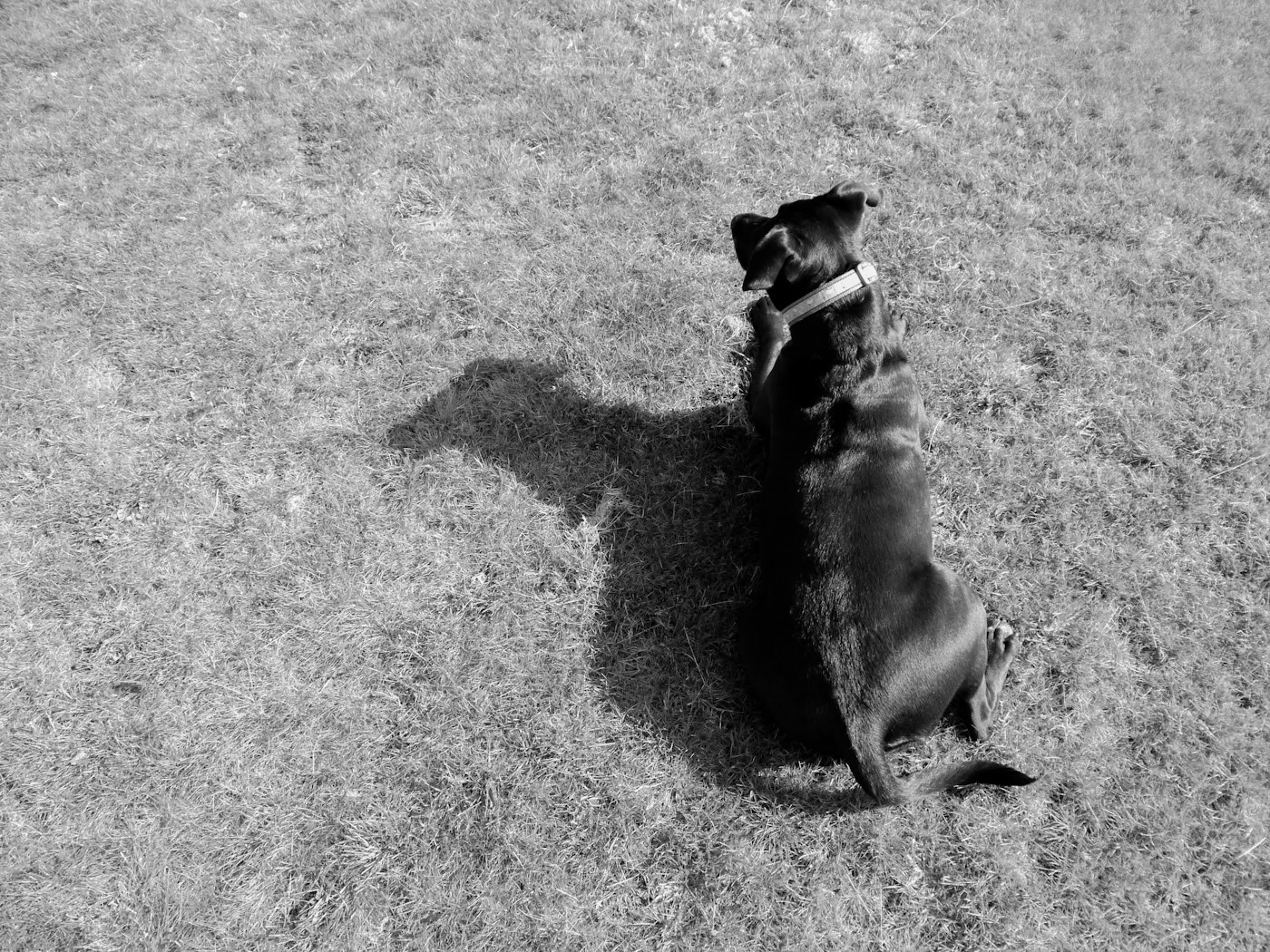
The morning after fireworks, many yards, sidewalks and parks are littered with spent casings, paper, sticks and unexploded pieces. Dogs explore with their noses and mouths, which makes this debris a real hazard. A quick sweep and a calm check-in help your dog recover safely.
Why fireworks debris is risky
Fireworks contain chemicals that can be harmful if swallowed, including compounds that may cause vomiting, drooling and stomach pain, and in some cases more serious problems. Used fireworks can still contain residue, and unexploded fireworks contain the full charge. Sticks, casings, wires and wrappers can also cause choking, mouth injuries or blockages.
If you think your dog has eaten any part of a firework, used or unused, call your veterinarian or a pet poison control hotline right away.
Sweep your yard before letting your dog out
- Walk your yard in daylight and pick up anything that looks like fireworks debris, including small paper bits and plastic caps.
- Wear gloves, and wet down any unused or partially used fireworks before disposing of them according to local guidance.
- Check along fences and in garden beds, where debris from neighbors may have landed.
- Pick up bottles, cans, food scraps, skewers and corn cobs left from celebrations.
- Look for burn marks or embers in mulch, and make sure nothing is still smoldering.
Keep your dog on a leash for the first few walks after the holiday. Sidewalks, parks and beaches may still have debris, and it is much easier to steer your dog away from it on a short leash.
Check in on your dog
A dog who spent the night frightened may be tired, clingy or unsettled the next day. Some dogs do not eat well or have mild stomach upset after a stressful night. Give them a quiet day, a gentle walk and their usual routine.
Take a moment to look your dog over:
- Check paws, nails and mouth for injuries from scratching at doors or crates.
- Look for any signs of stomach upset, such as vomiting or diarrhea.
- Watch for unusual lethargy, hiding that continues for a long time or reluctance to go outside.
- Make sure their collar and ID tag are still on and intact.
If anything seems off, or if your dog’s fear does not ease after a day or two, call your veterinarian.
Look ahead
Write down what worked and what did not. Did the safe room help? Was the white noise loud enough? Did your dog try to escape? Those notes will be valuable before the next holiday or thunderstorm season.
If your dog’s fear was intense, the weeks after the holiday are a good time to start talking with your veterinarian about longer-term options. Working on gradual desensitization when fireworks are not happening gives your dog the best chance to feel more confident next year.












