

By September, oaks, chestnuts and other trees start dropping their crop. Sidewalks crunch underfoot, and yards fill with small, round objects that roll, bounce and look a lot like dog toys. Some dogs ignore them. Others treat them as snacks. Either way, it helps to know what is falling in your area.
Acorns
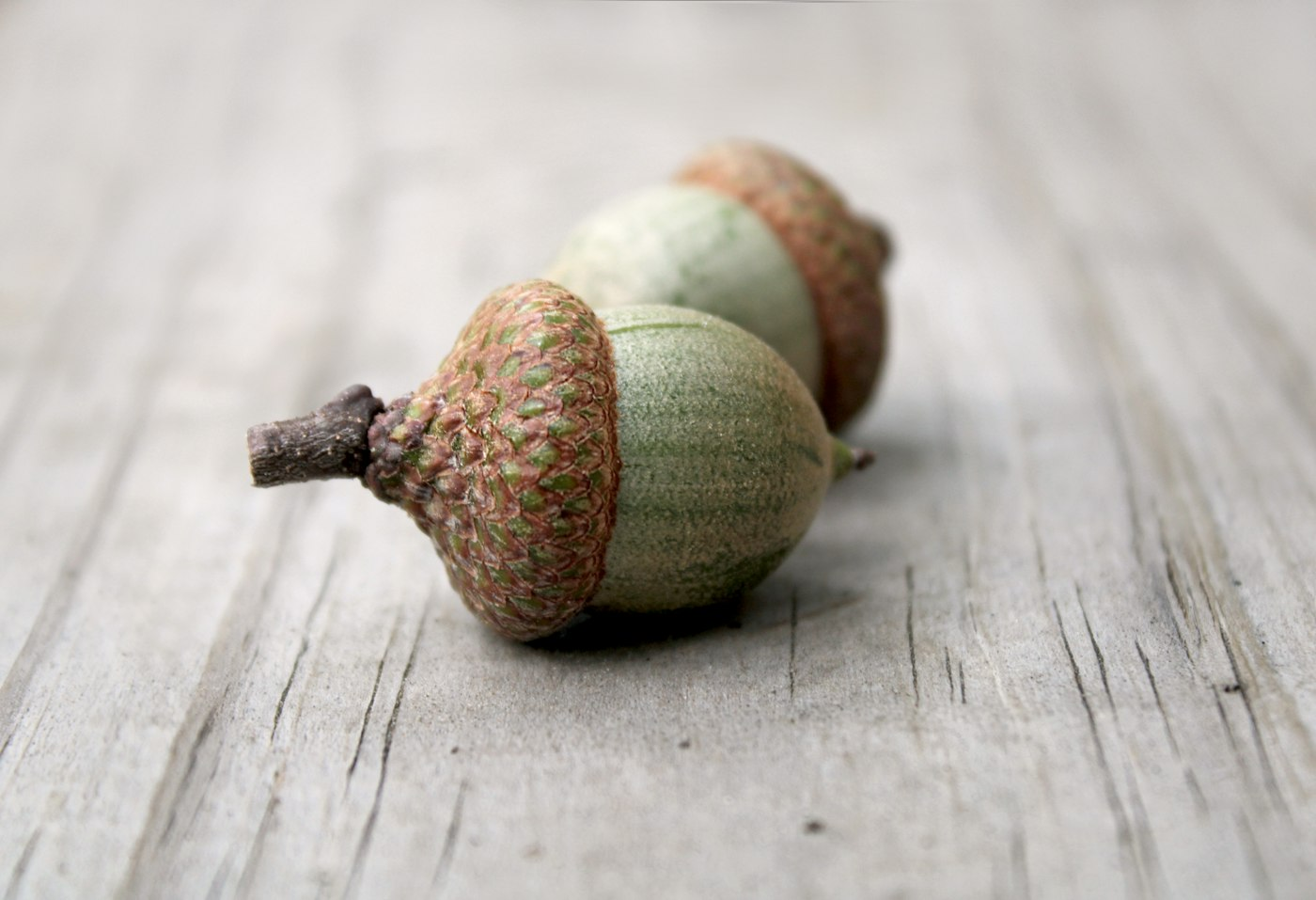
Acorns, the nuts of oak trees, contain tannins, natural compounds that can be irritating to a dog’s digestive system. Oak leaves and young acorns contain them as well. A dog that eats acorns may have vomiting, diarrhea or stomach discomfort. Eating a large number can be more serious, and acorns can be hard to digest.
There is also a physical risk. Acorns are about the right size to cause choking in some dogs or to create a blockage in the intestines, especially in smaller dogs or ones that swallow them whole. Their caps and shells can be sharp-edged once broken.
Horse chestnuts and buckeyes
Horse chestnuts and their close relatives, buckeyes, produce shiny brown nuts inside spiky or leathery husks. They are not the same as the edible chestnuts people roast. Horse chestnuts and buckeyes contain compounds that are toxic to dogs and can cause vomiting, diarrhea and other signs. Their size also makes them a choking and blockage concern.
The spiny husks of some chestnut species can also hurt paws and mouths, so it is worth keeping dogs away from heavily littered ground under these trees.
Other fallen nuts
Many yards also collect walnuts, hickory nuts and pecans. Nuts that have been sitting on damp ground can grow mold, and some molds produce toxins that can make dogs sick. Hard shells can also crack teeth or cause blockages. In general, nuts collected from the ground are not good dog snacks.
Practical steps for fall
- Learn which trees grow in your yard and along your regular walks.
- Rake or sweep up fallen nuts regularly during peak season, especially in areas where your dog spends time.
- Keep your dog on a shorter leash under heavily dropping trees.
- Practice “leave it” and “drop it” with high-value rewards so trading an acorn for a treat feels like a good deal.
- Offer appropriate chew toys outdoors so your dog has something else to carry.
When to call the vet
If your dog eats acorns, horse chestnuts, buckeyes or a quantity of moldy nuts, call your veterinarian for advice. Seek care promptly if you notice repeated vomiting, diarrhea, lack of appetite, a painful belly, straining, drooling, tremors or unusual lethargy. These can signal toxicity or a blockage, and your vet can tell you what to do next.
Fall nut season does not last forever. A little raking and leash management for a few weeks keeps it from causing trouble.












