

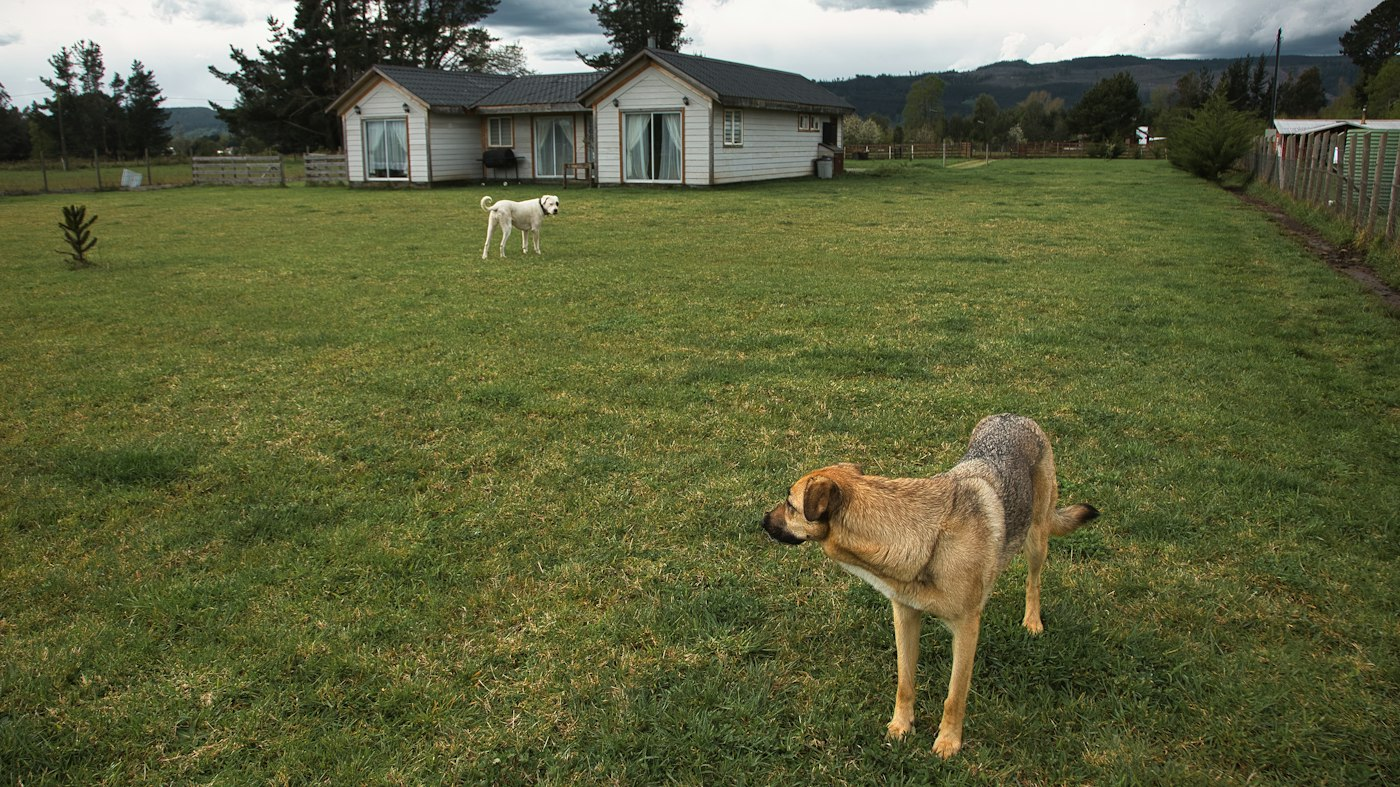
Summer is when many dogs spend the most time in the yard. It is also when hazards tend to multiply: open gates during gatherings, new garden plants, pool chemicals, fertilizer and hot surfaces. A quick audit at the start of the season helps you fix problems before they become emergencies.
Grab a notepad, walk the yard at your dog’s eye level and work through these areas.
Fences and gates
- Walk the entire fence line, looking for gaps, loose boards and spots where a dog could squeeze through or under.
- Check for holes your dog may have started digging along the fence.
- Look for objects near the fence, like trash cans, woodpiles or patio furniture, that a dog could climb to jump over.
- Test every gate latch. Self-closing hinges and latches can help, and a lock prevents visitors and service workers from leaving it open.
- Remember that a fence is not a substitute for supervision. Some dogs will climb, dig or jump when bored or frightened.
Shade, water and surfaces
Every yard where a dog spends time needs real shade, and shade moves through the day. Check where it falls in the morning, at midday and in the afternoon. Add an umbrella, shade sail or covered area if needed.
Provide fresh water in a sturdy bowl that will not tip over, and put it in the shade. Refill it often. Feel patios, decks, artificial turf and metal surfaces in the afternoon; they can get hot enough to burn paws.
Plants and garden products
Some common garden and landscape plants can be toxic to dogs. The ASPCA maintains a searchable list of toxic and non-toxic plants, which is a helpful place to check what is growing in your yard.
- Store fertilizers, pesticides, herbicides, slug and snail bait, and rodent poisons where your dog cannot reach them, and follow label instructions about keeping pets off treated areas.
- Consider avoiding cocoa bean mulch, which contains compounds related to chocolate.
- Fence off vegetable gardens and compost piles.
- Clean up fallen fruit and mushrooms that pop up after rain.
Water features, tools and stored items
- Fence or cover pools and hot tubs, and never leave a dog alone near them.
- Empty buckets, kiddie pools and containers that collect rainwater, which can breed mosquitoes and pose risks to small dogs.
- Store pool chemicals, antifreeze, gasoline and lighter fluid in a locked area.
- Put away tools, hoses and sharp edging materials after use.
- Keep grills covered and dispose of cooled charcoal and ashes securely.
Finally, look at the yard from your dog’s point of view during the hottest part of the day. Is there a cool, shaded place to lie down, away from hot pavement and reflective surfaces? Is the water still cool and full? A raised cot or cooling mat in the shade can make the yard far more comfortable. Once your audit is done, make a short list of repairs and schedule them. A safe yard lets your dog enjoy summer outdoors while you relax, at least a little.












