

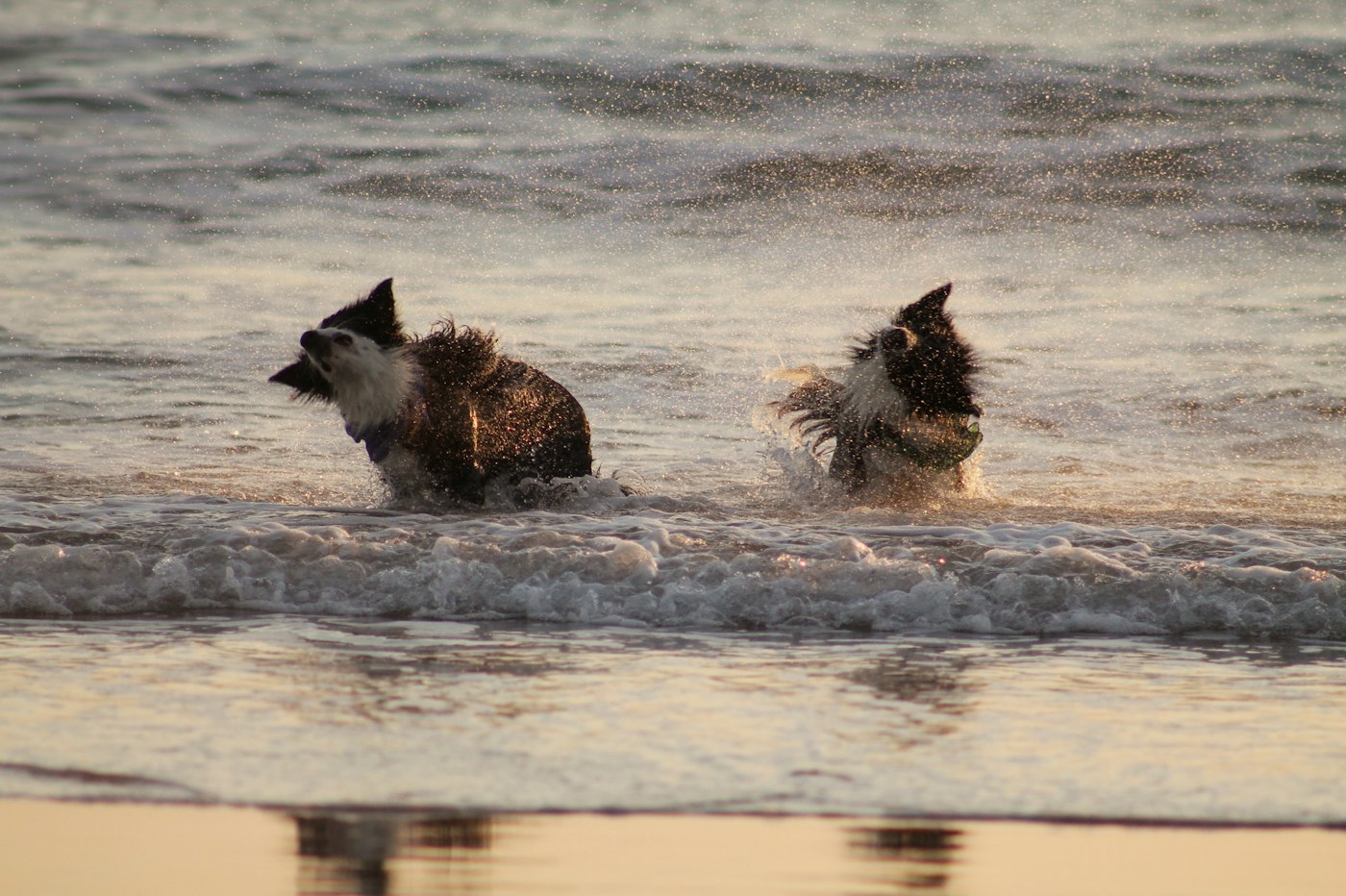
Wide open sand, new smells and cool water make the beach an exciting place for many dogs. It also has its challenges: hot sand, strong sun, salt water, crowds and rules that vary from one stretch of shoreline to the next. A little preparation makes the difference between a great day and a stressful one.
Know the rules before you go
Beach rules vary widely. Some beaches allow dogs year-round, some only during certain months or hours and some not at all. Many require leashes, and some have designated dog areas. Rules can also change seasonally to protect nesting birds or other wildlife.
Check the official website for the town, county, state park or national seashore you plan to visit before you go, and follow posted signs when you arrive.
Sand, sun and shade
Dry sand in the middle of a sunny day can get hot enough to hurt paws. Test it with your hand, and plan your visit for early morning or late afternoon when the sand and air are cooler. Walk on damp, packed sand near the water when you can.
Shade is often scarce at the beach. Bring an umbrella or canopy and set up a resting spot with a towel or cot. Watch for signs of overheating, such as heavy panting, drooling, weakness or stumbling, and head for shade and cool water if you see them. Dogs with light skin or thin coats may be prone to sunburn; ask your veterinarian about sun protection before your trip.
Salt water and other beach hazards
Dogs who play in the surf often swallow some salt water, and some will drink it deliberately. Too much salt water can cause vomiting and diarrhea, and larger amounts can be dangerous. Bring plenty of fresh water, offer it often and take breaks from water play.
Other beach hazards to watch for:
- Rip currents and large waves. Keep water play in calm, shallow areas, and consider a dog life jacket.
- Jellyfish, including ones that have washed up on the sand.
- Fishing hooks, lines and bait.
- Dead fish and other debris that can upset a dog’s stomach.
- Sand ingestion from digging or chasing sandy toys, which can cause stomach problems in some dogs.
If your dog seems unwell during or after a beach day, call your veterinarian.
Packing list and cleanup
- Fresh drinking water and a collapsible bowl.
- Shade, a towel or mat and a cot if you have one.
- A leash, plus a long line if permitted.
- Waste bags. Pick up everything.
- A collar with a current ID tag.
- Fresh water for rinsing your dog before you leave.
Rinse salt and sand from your dog’s coat, paws and ears before heading home, then dry thoroughly. Salt and sand left in the coat can irritate skin, and doodles and other curly-coated dogs may need a thorough brushing once dry. Rinse your dog’s collar too, so salt does not stiffen it or corrode the hardware.












