

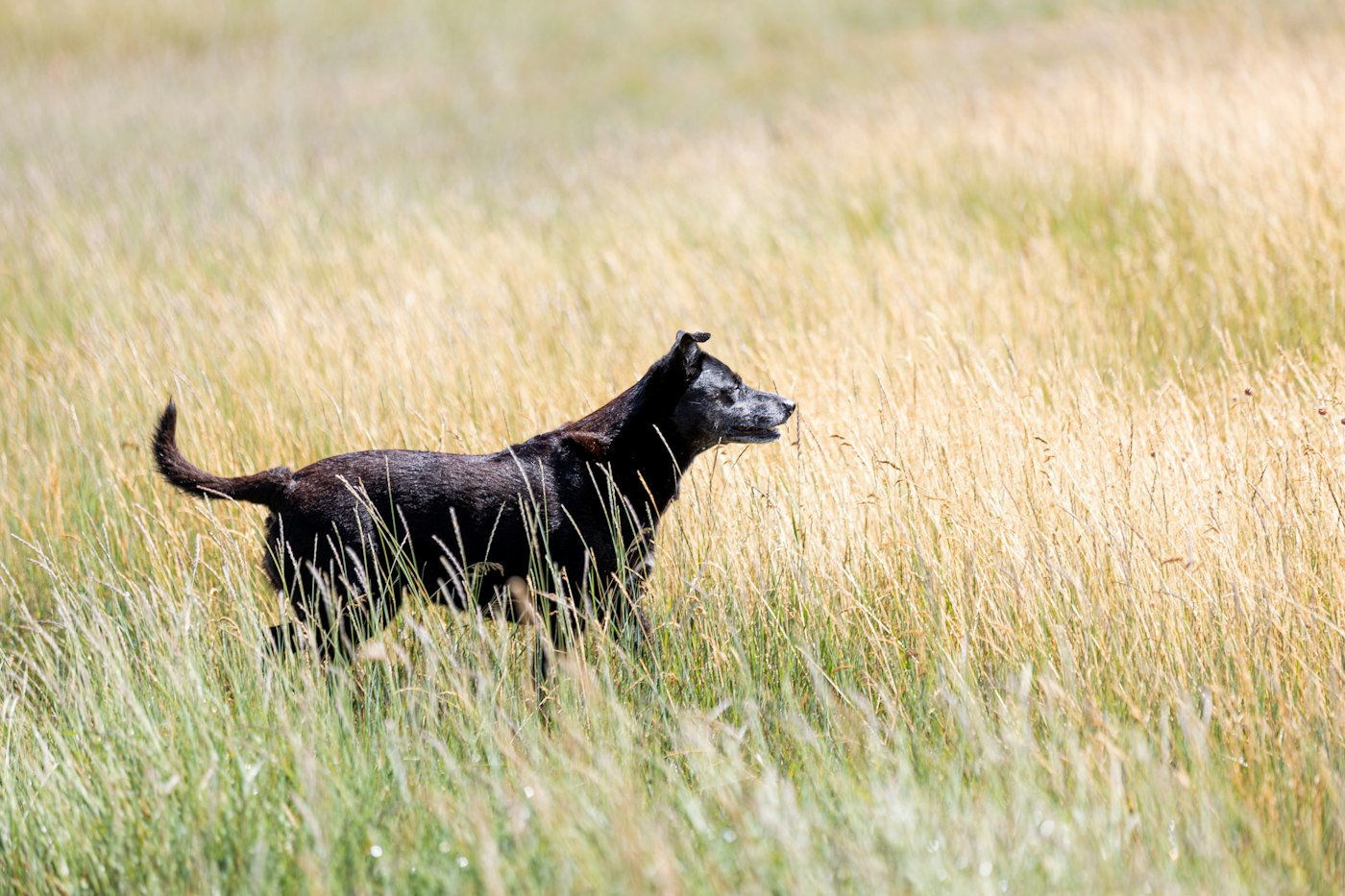
By late summer and fall, many plants have gone to seed, and some of those seeds have evolved to travel by catching a ride on passing animals. To a plant, your dog is a perfect delivery service. To you, it means a coat full of burrs after a walk through a meadow or along an overgrown trail.
Most burrs are simply annoying. Some seeds, however, can cause real problems if they work their way into the skin. Knowing the difference helps you decide when a brush will do and when to call the vet.
Common fall hitchhikers
- Round burrs covered in tiny hooks, which tangle into fur and form clumps
- Flat, clinging seeds, often called stick-tights or beggar’s lice, that coat fur in small pieces
- Grass awns, pointed seed heads from certain grasses, often called foxtails in the western United States
Grass awns are the ones to take most seriously. Their shape lets them move in one direction, so they can work into ears, noses, eyes, between toes and even under the skin. A dog with a sudden fit of sneezing, head shaking, pawing at an eye or licking one paw obsessively after a walk may have picked one up. Contact your veterinarian promptly if you suspect this, since awns can be hard to find and remove at home.
Removing burrs from fur
Work patiently, and keep your dog relaxed with treats and breaks.
- Start with your fingers, gently separating fur from the burr and teasing it out in small sections.
- Use a wide-tooth comb to work out from the edges, holding the hair near the skin to avoid pulling.
- For stubborn clumps, a little dog-safe detangling spray or conditioner can help loosen the hooks.
- Avoid cutting near the skin with scissors. It is easy to cut skin hidden by thick fur. If a clump must come out, a groomer can help.
Small stick-tights can often be brushed out with a slicker brush, but check carefully afterward, especially on curly coats.
Where to check after every walk
Do a quick hands-on check of these spots:
- Between the toes and pads
- Inside and around the ears
- Armpits and groin
- Under the collar and harness
- Around the eyes and muzzle
- The tail and feathering on the legs
Preventing the worst of it
Stick to mowed paths when you can, especially in late summer and fall when seeds are ripe. Keeping the coat a bit shorter on the feet, legs and belly can reduce how much sticks. A smooth outer jacket or shell can also help protect the back and chest from catching seeds in brushy areas.
A few minutes with a comb after each outing beats an hour of untangling later, and it gives you a chance to spot ticks, scratches or sore pads before they become bigger issues.












