

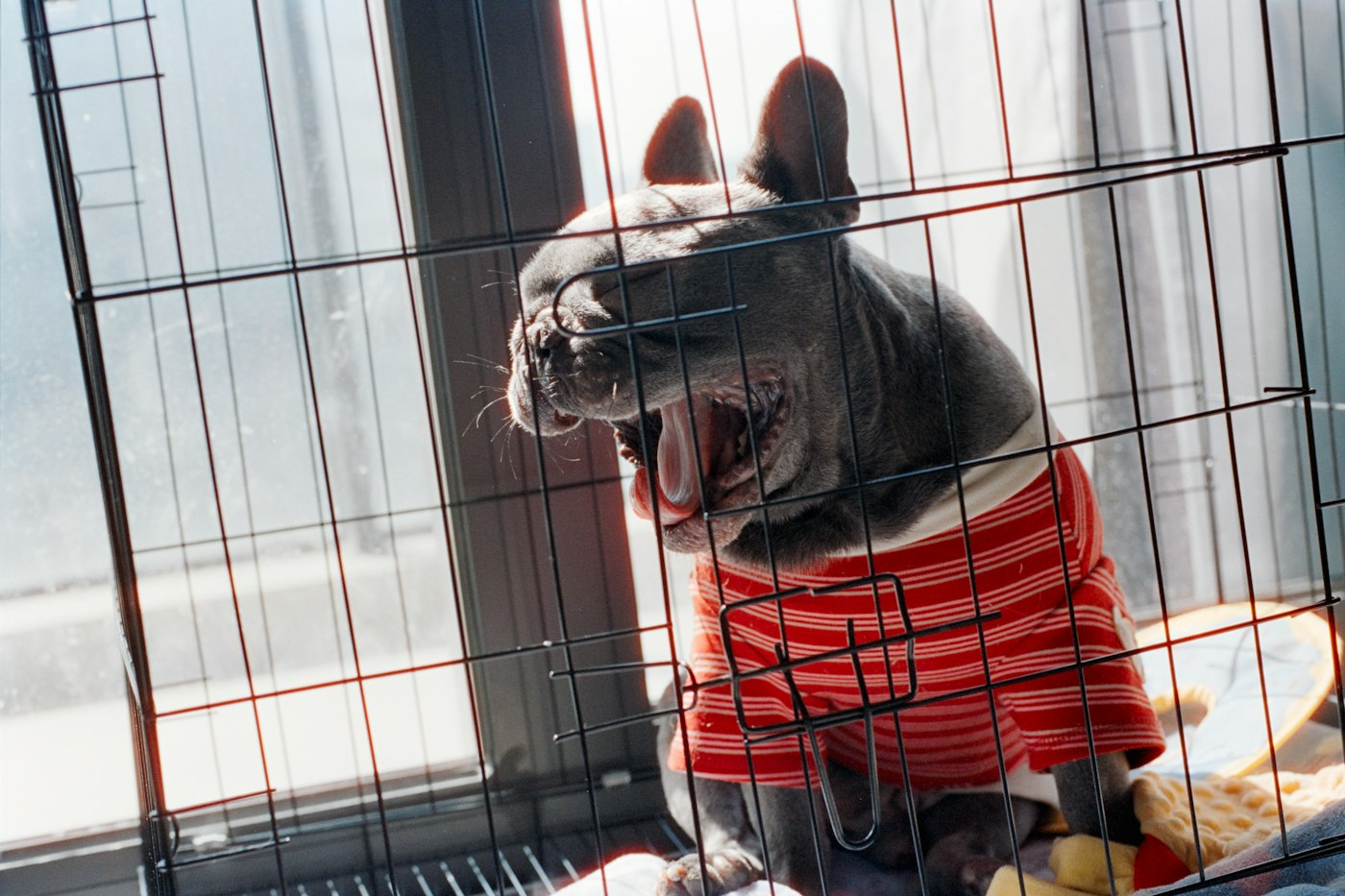
A crate can be a helpful tool for keeping a dog safe and relaxed when no one is home. Used thoughtfully, it gives a dog a quiet spot that feels secure, prevents household accidents and keeps curious dogs away from hazards. Used poorly, it can become a source of stress. The difference comes down to setup, introduction and how long a dog spends inside.
Choosing the right crate
A crate should be large enough for your dog to stand up, turn around and lie down comfortably, but not so large that a puppy can use one end as a bathroom. Many wire crates come with a divider panel so you can adjust the space as a puppy grows. Common types include:
- Wire crates, which offer good airflow and visibility and often fold for storage
- Plastic crates, which feel more enclosed and are often used for travel
- Soft-sided crates, which are lightweight but best for calm dogs that will not chew or dig at fabric
- Furniture-style crates, which blend into a room and may suit dogs who are already comfortable crating
Making it inviting
Place the crate in a part of the home where your dog can feel connected to family life, rather than isolated in a far corner. Add a comfortable bed or mat, unless your dog tends to chew bedding, in which case a bare floor may be safer for now. Some dogs like a light blanket draped over part of the crate to create a den-like feel. Fresh water can be offered in a spill-resistant bowl clipped to the side.
As a safety measure, many trainers recommend removing your dog’s collar before crating, since tags and buckles can catch on wire. Put the collar back on as soon as your dog comes out.
Introducing the crate slowly
The goal is for your dog to choose the crate on its own. Start with the door open. Toss treats inside, feed meals near the crate and then inside it, and praise your dog for exploring. When your dog is happily going in, close the door briefly while you sit nearby, then open it before your dog becomes uneasy. Slowly increase the time and the distance you move away. Pair crate time with something good, like a stuffed food toy, so the crate predicts pleasant things.
Never use the crate as punishment. It should always be a calm, positive place.
How long is too long?
Puppies have limited bladder control and need frequent breaks, and even adult dogs need opportunities to stretch, relieve themselves and interact with people. Long workdays often mean an adult dog should have a midday break from a family member, neighbor or dog walker. Your veterinarian or a trainer can help you figure out reasonable durations for your dog’s age and needs.
When the crate is not the answer
Some dogs never feel comfortable in a crate. Dogs with separation anxiety may panic in confinement and can injure themselves trying to escape. If your dog drools heavily, pants, chews the bars or tries to break out, stop and talk with your veterinarian or a qualified behavior professional. A gated room or another setup may work better.












